Empowering Safety: The Critical Role of Abrasive Wheels Training in Preventing Workplace Injuries Across Ireland
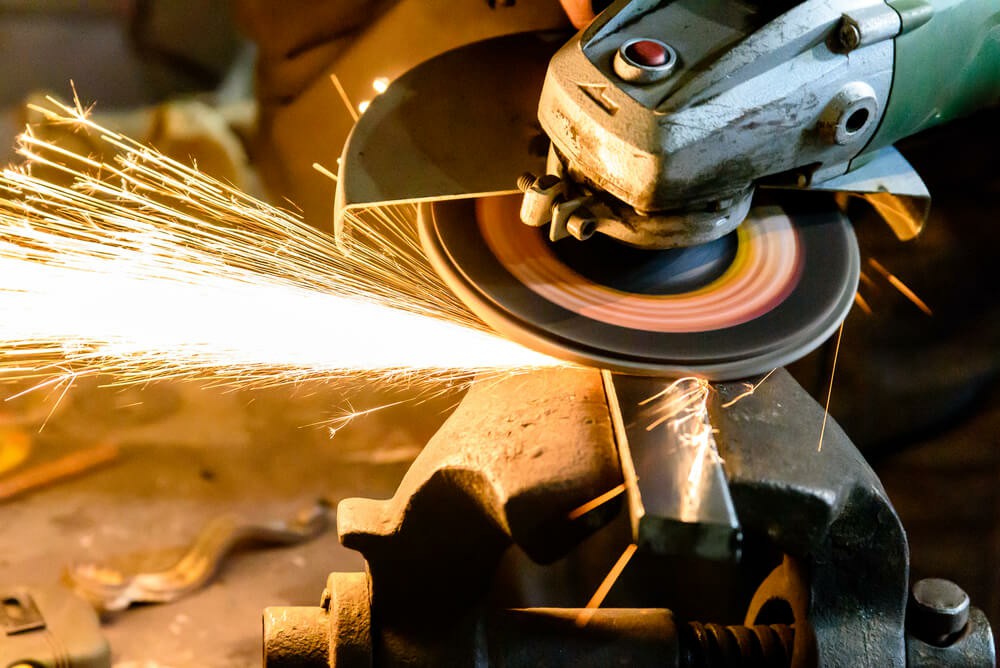
Abrasive wheels are indispensable tools in various industries, from construction to manufacturing. However, they also pose significant risks when not handled correctly. Workplace injuries related to abrasive wheels can be severe, leading to long-term consequences for employees and businesses alike. This post explores the importance of proper Abrasive Wheels training in reducing workplace injuries and the associated benefits for businesses in cities like Dublin, Cork, Galway, Limerick, and Waterford.
Understanding the Risks: Workplace Injury Statistics
Statistics regarding workplace safety highlight a troubling picture. In recent studies, it was reported that a substantial number of workplace injuries stem from improper use of machinery, including abrasive wheels. These accidents lead to:
- Significant medical costs and compensation claims
- Lost productivity and increased downtime
- Potential legal repercussions
According to health and safety agencies, cuts, lacerations, and other injuries related to abrasive wheels account for a considerable percentage of all workplace accidents. This reality stresses the urgent need for effective training programs that focus on safety.
The Financial and Operational Impact on Businesses
Beyond the physical toll, workplace injuries also have profound financial implications. Businesses that experience frequent accidents may face increasing insurance costs, potential fines, and loss of reputation, which can translate into:
- Up to 50% higher employee turnover rates
- Up to 30% decreased operational efficiency
Moreover, when employees feel unsafe, their morale drops, leading to further declines in productivity. Therefore, investing in Abrasive Wheels training is not just a compliance measure; it is a strategic move towards ensuring sustainable business operations.
How Proper Training Mitigates Risks
Proper Abrasive Wheels training equips employees with the knowledge and skills they need to operate machinery safely. Here’s how training addresses the risks:
- Understanding Equipment: Employees learn about different types of abrasive wheels, including their specific applications and limitations.
- Safety Protocols: Training covers essential safety protocols that must be followed to minimize hazards.
- Emergency Procedures: Employees are educated on how to act quickly and efficiently during an emergency.
Expert Opinions on the Importance of Certified Training
Experts within the safety training industry emphasize that certified Abrasive Wheels training programs lead to significantly safer work environments. According to a leading workplace safety consultant:
"Investing in certified training is not merely a regulatory obligation; it acts as a cornerstone for creating a proactive safety culture. Businesses that prioritize employee training typically see a reduction in accidents by up to 70%."
This assertion is echoed across various sectors in Ireland, confirming that rigorous safety training yields positive outcomes.
Industry Best Practices for Abrasive Wheels Safety
To further enhance safety around abrasive wheels, businesses in Dublin, Cork, Galway, and Limerick should adopt the following best practices:
- Conduct regular safety audits and risk assessments.
- Provide ongoing training and refresher courses, especially for new or modified equipment.
- Ensure that all workers wear appropriate personal protective equipment (PPE).
- Encourage open communication regarding safety concerns and practices.
Conclusion: A Call to Action for Businesses
With the potential risks posed by abrasive wheels, ensuring that employees receive certified training is paramount. By investing in Abrasive Wheels training in Dublin, Cork, Galway, and Limerick, businesses can significantly reduce the likelihood of accidents, improve workplace morale, and enhance their overall efficiency.
Take the vital step towards ensuring safety in your workplace today. Reach out for more information on our Abrasive Wheels training courses. For inquiries, contact us at [email protected].