Mastering Abrasive Wheels: A Comprehensive Guide to Types, Uses, and Safety in Ireland
Abrasive wheels are crucial tools in various industries, from construction to manufacturing. Understanding the different types of abrasive wheels, their specific applications, and the associated risks is paramount for safety and efficiency. This guide will cover:
- Types of Abrasive Wheels
- Abrasive Wheels Applications
- Safety Hazards
- The Importance of Training and Certification
Types of Abrasive Wheels
Abrasive wheels can be categorized based on their design and intended use. Here are the primary types:
1. Grinding Wheels
Grinding wheels are designed for grinding and sharpening metal surfaces. They are widely used in metalworking and woodworking.
- Applications: Sharpening tools, smoothing rough surfaces, and removing material.
- Risks: Wheel breakage, overheating, and injury from unintended contact.
2. Cutting Wheels
These wheels are constructed for slicing through metal and other hard materials.
- Applications: Metal fabrication, construction, and automotive repair.
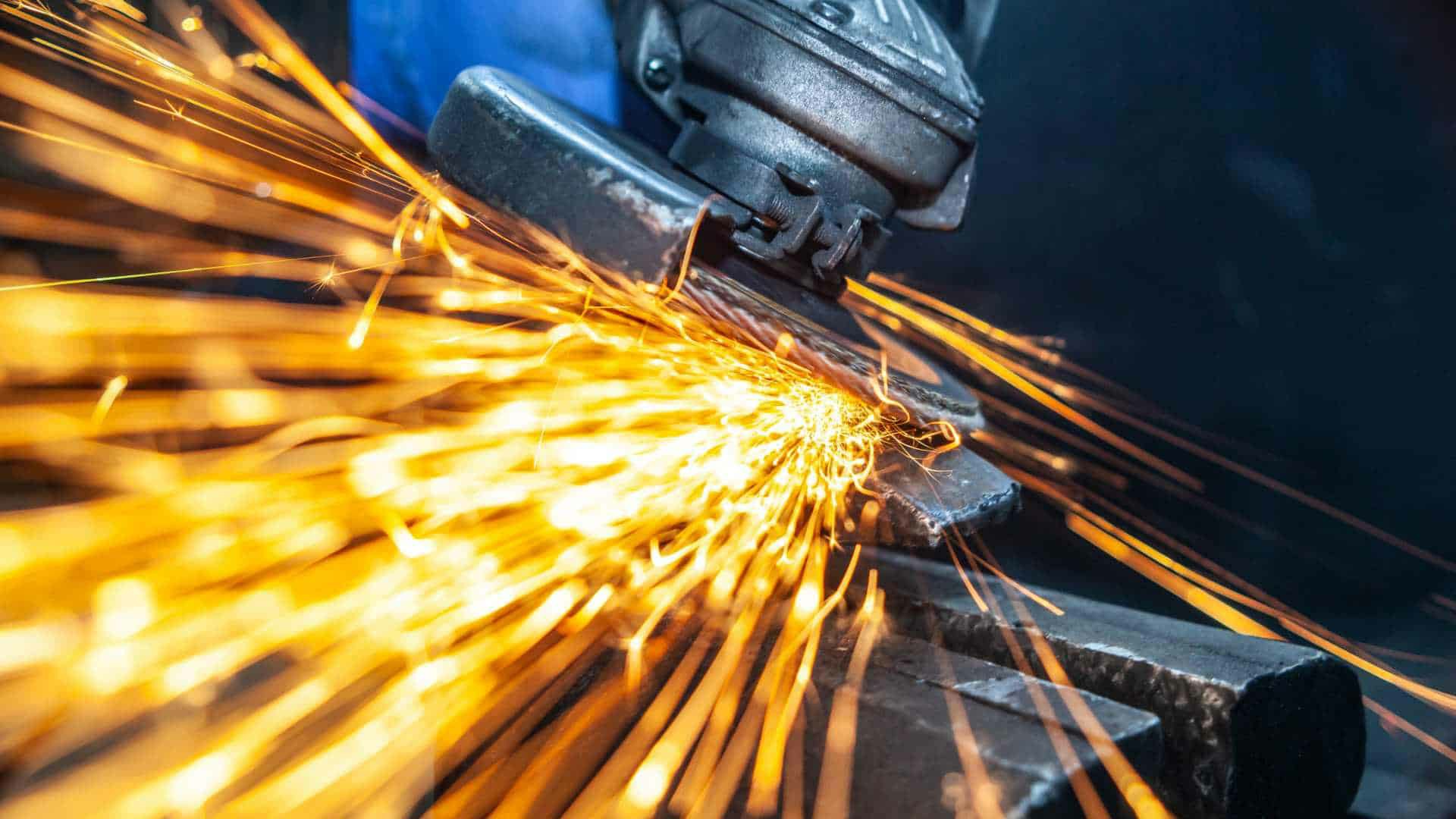
- Risks: Potential for kickbacks and sparks, leading to burns or other injuries.
3. Polishing Wheels
Polishing wheels are used to create a shiny finish on metals and plastics.
- Applications: Automotive detailing, jewelry making, and surface finishing.
- Risks: Dust creation, leading to respiratory issues, and potential injury from rapidly spinning wheels.
Abrasive Wheels Applications
The versatile nature of abrasive wheels makes them invaluable across various sectors:
- Construction: For cutting and shaping materials, abrasive wheels enhance productivity.
- Automotive: Used for grinding and polishing automotive parts.
- Metalworking: Essential for precision work in metal fabrication.
Safety Hazards
With great utility comes the responsibility of safety. Misusing abrasive wheels can lead to serious injuries. Here are some common hazards:
- Wheel breakage can send shards flying, posing risks to the operator and nearby personnel.
- Overheating can lead to loss of temper in metals, altering their properties.
- Inadequate mounting can result in unexpected wheel dislodgment.
The Importance of Training and Certification
Proper training is essential to minimize risks associated with abrasive wheels. In Ireland, organizations offering Abrasive Wheels Training focus on:
- Safe handling and operation techniques
- Understanding wheel specifications and applications
- Compliance with health and safety regulations
Courses are available in various cities, including Dublin, Cork, Galway, Limerick, and Waterford. Enrolling in a certified abrasive wheels course not only ensures compliance with Irish safety standards but also enhances workplace safety.
For those looking to deepen their knowledge further, consider an Abrasive Wheels Online Course that can be taken at your convenience from the comfort of your office or home.
Conclusion
Understanding the types of abrasive wheels and their applications is vital for any industry professional in Ireland. By prioritizing safety and ensuring proper training, you can significantly reduce the risk of accidents related to abrasive wheel operations. For more information or to enroll in a certified Abrasive Wheels training course in Dublin, Cork, Galway, or Limerick, contact us at [email protected].