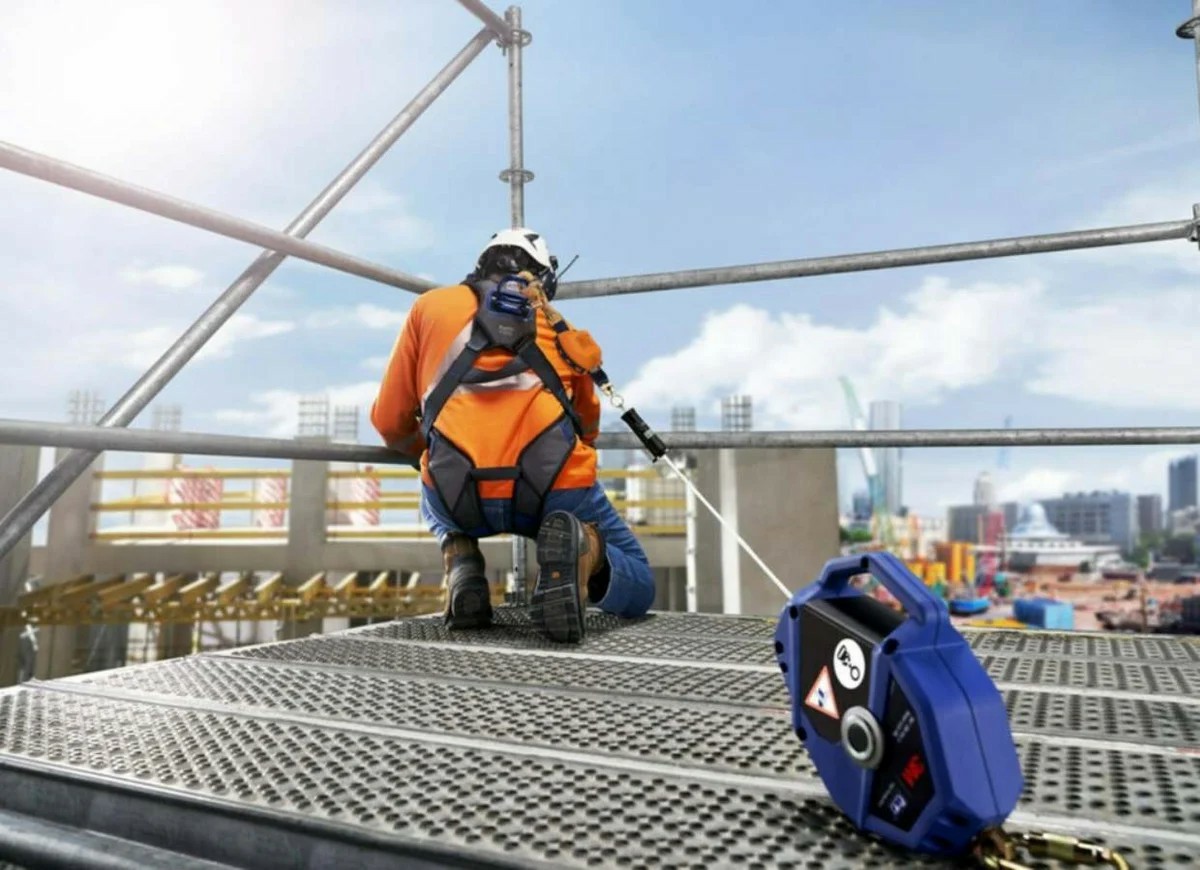
Navigating Weather Hazards: Essential Safety Practices for Working at Heights
When it comes to Working at Heights, understanding and preparing for weather conditions is crucial for ensuring safety. Adverse weather can significantly increase risks associated with working at elevated levels, making training and preparedness essential.
The Impact of Weather on Working at Heights Safety
Weather conditions can change rapidly, and workers must be equipped to handle various challenges. Below are some common weather-related hazards:
Strong Winds
- Instability: High winds can destabilize ladders, scaffolding, and other equipment.
- Increased Fall Risk: Workers may lose balance, leading to falls or accidents.
- Equipment Damage: Wind can displace tools and gear, creating hazardous situations.
Rain
- Slippery Surfaces: Wet surfaces can lead to slips and falls.
- Reduced Visibility: Heavy rainfall can obscure vision, increasing accident risks.
- Water Accumulation: Puddles may create trip hazards or depths unaccounted for.
Icy Surfaces
- Extreme Slippage: Ice significantly reduces traction, heightening fall risks.
- Weight of Ice: Excess ice accumulation on structures may compromise stability.
- Cold Stress: Workers are at risk for hypothermia or frostbite from prolonged exposure.
Risk Mitigation through Training
To effectively manage weather-related risks, Working at Heights Training is essential. Here are several reasons why:
- Awareness: Training ensures that workers recognize and evaluate weather hazards before commencing tasks.
- Safe Practices: Participants learn best practices for working safely in adverse conditions, including proper equipment usage and personal protective equipment (PPE).
- Emergency Protocols: Training covers emergency procedures to follow if adverse weather conditions arise during work.
Best Practices for Safety in Adverse Weather Conditions
To enhance the safety of workers operating at heights in challenging weather, adhere to the following best practices:
- Monitor Weather Conditions: Keep an eye on weather forecasts and adjust work schedules accordingly.
- Use the Right Equipment: Ensure all equipment is rated for the weather conditions. For example, use slip-resistant footwear and ensure scaffolding is secured.
- Communicate: Foster open communication among team members regarding weather conditions and individual comfort levels.
- Limit Exposure: Implement work rotations to minimize time spent in adverse conditions.
- Stay Visibly Prepared: Wear high-visibility clothing, especially in rainy or snowy conditions, to enhance visibility.
Conclusion
Weather conditions inherently carry risks when Working at Heights. Investing in comprehensive Working at Heights Training can significantly reduce these risks, preparing workers to face challenges posed by wind, rain, and ice. Proper training not only equips workers with necessary knowledge but also instills a safety-first mindset that lasts throughout their careers.
To learn more about our Working at Heights Course or to enroll in our Certified Working at Heights Training, visit our website or contact us at [email protected].
Stay safe and sound while working at heights, no matter the weather!
Internal Links: