The Future of Working at Heights Safety: Cutting-Edge Innovations in Fall Protection
In the ever-evolving world of occupational safety, Working at Heights is a critical concern that demands innovation. With an increasing number of workers engaged in elevated tasks, ensuring their safety is paramount. Recent advancements in technology, including enhanced harness systems, self-retracting lifelines, and immersive training methods like virtual reality, significantly contribute to reducing fall incidents in the workplace. This article explores these innovations, their implications for safety protocols, and the future of fall protection gear.
The Necessity of Innovation in Working at Heights
Statistics indicate that falls remain one of the leading causes of workplace injuries and fatalities. As industries move towards more complex and often precarious working environments, the need for advanced safety equipment becomes evident. Modern technology is stepping in to fill these gaps, promoting not only compliance but also empowering workers with the tools they need to perform their jobs safely.
Advanced Harness Technology: A Safer Embrace
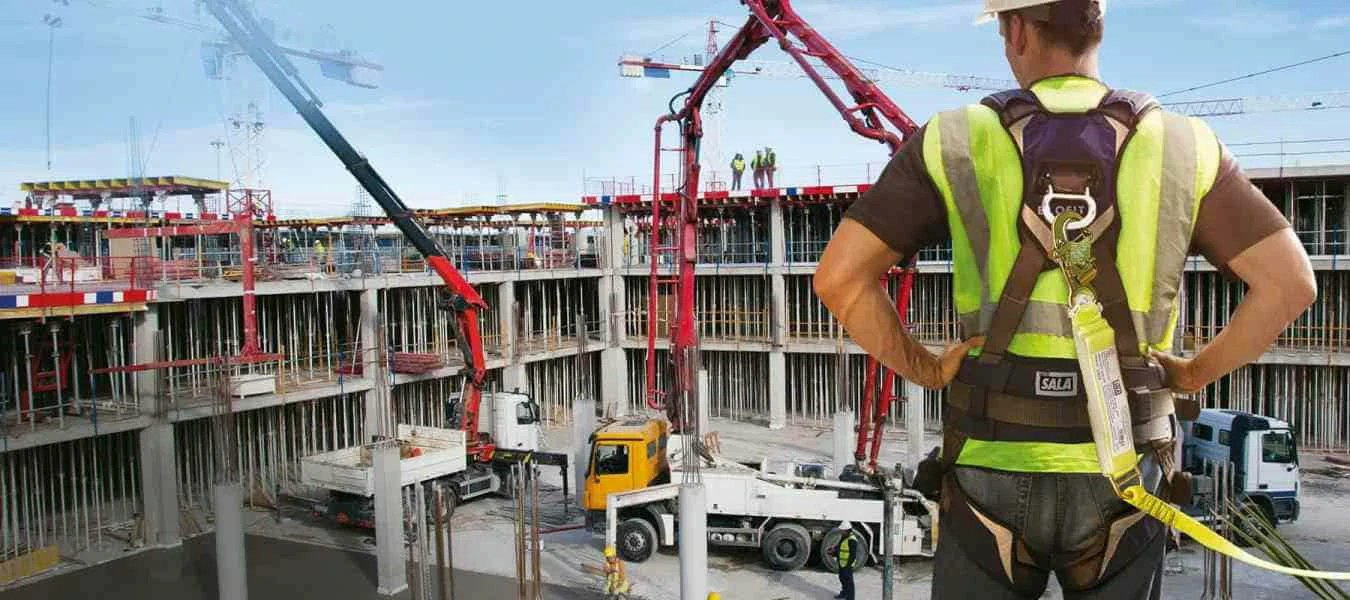
Innovative designs in harness technology are vital for effective Working at Heights safety. Today's harnesses offer a blend of comfort, durability, and safety features that were unimaginable in previous generations:
- Ergonomic Designs: Modern harnesses prioritize user comfort with ergonomic designs that minimize pressure points, allowing workers to remain comfortable during extended periods of wear.
- Lightweight Materials: Using high-strength yet lightweight synthetic materials reduces worker fatigue, enabling greater mobility and ease of movement.
- Integrated Safety Features: Innovations, such as built-in impact indicators that signal if a harness has been subjected to a fall, provide immediate feedback and promote safer usage practices.
Self-Retracting Lifelines: A Game-Changer in Fall Protection
Self-retracting lifelines (SRLs) have transformed fall protection by automatically adjusting to the user's movements. This advanced equipment provides several key benefits:
- Fall Arrest and Mobility: SRLs allow for greater freedom of movement while still providing reliable fall protection. They automatically retract as the user moves, minimizing excess slack.
- Rapid Deployment: The instant locking mechanism engages within milliseconds of a fall, significantly reducing the distance a worker can fall and the potential for injury.
- Smart Technology: Some models now feature smart technologies that monitor the environment and worker movement, providing real-time data to enhance safety protocols further.
Smart Safety Devices: The Future of Workplace Safety
Integration of smart technology in safety gear is the next frontier. Devices equipped with IoT capabilities can monitor conditions and worker health:
- Wearable Technology: Smart helmets and vests equipped with sensors can track worker locations, movements, and even environmental conditions to provide alerts in dangerous situations.
- Real-Time Monitoring: These devices can communicate with central safety systems to report on workers' status and respond to falls or accidents instantly, facilitating rapid response times.
Revolutionizing Training: Virtual Reality Simulations
Working at Heights training is undergoing a transformation through virtual reality (VR) technology. VR simulations create immersive training environments that enhance the learning experience:
- Risk Awareness: Trainees can experience realistic scenarios that emphasize the consequences of falls and unsafe behaviors without the associated risks.
- Customizable Training Programs: VR allows customization of training modules tailored to specific job roles and environments, ensuring relevance and engagement.
- Enhanced Skill Acquisition: Increased interaction and engagement in training lead to better retention of safety protocols and procedures, making it easier for workers to apply their knowledge on-site.
Improving Compliance and Safety Culture
The integration of new safety technologies supports not only regulatory compliance but also fosters a safety-first culture within organizations. Training and equipment that prioritize safety enhance employee morale and contribute to decreased workplace injuries. Organizations can therefore expect:
- Decreased Accident Rates: With better technology comes improved adherence to safety protocols, leading to fewer incidences of accidents and injuries.
- Increased Employee Retention: A commitment to worker safety underscores an organization’s values, fostering trust and loyalty among employees.
Call to Action: Embrace Safety Innovations Today
As companies in Dublin, Cork, and Galway look to improve their Working at Heights safety, the adoption of modern gear, training methodologies, and smart device technologies is not just beneficial but necessary. Ensuring proper training is paramount; enrolling employees in a Working at Heights Course or Working at Heights Certification can make a significant difference in workplace safety.
For businesses wanting to stay ahead of the curve and ensure the highest safety standards, consider certified Working at Heights training. For more information, visit Ireland Safety Training or contact us at [email protected] for personalized support and resources.