Unlocking Workplace Safety: Your Comprehensive Guide to Online Manual Handling Certification in Ireland
In today's fast-paced work environment, ensuring workplace safety and employee well-being is critical. Many workplaces in Ireland are governed by strict legal requirements regarding manual handling. With the rise of remote work and the ongoing need for training flexibility, online manual handling certification has emerged as a crucial tool for businesses of all sizes. This blog post explores the significance of Online Manual Handling Certification, highlighting its role in legal compliance, injury prevention, and enhancing workplace efficiency.
What is Manual Handling? Identifying Workplace Risks & Legal Requirements
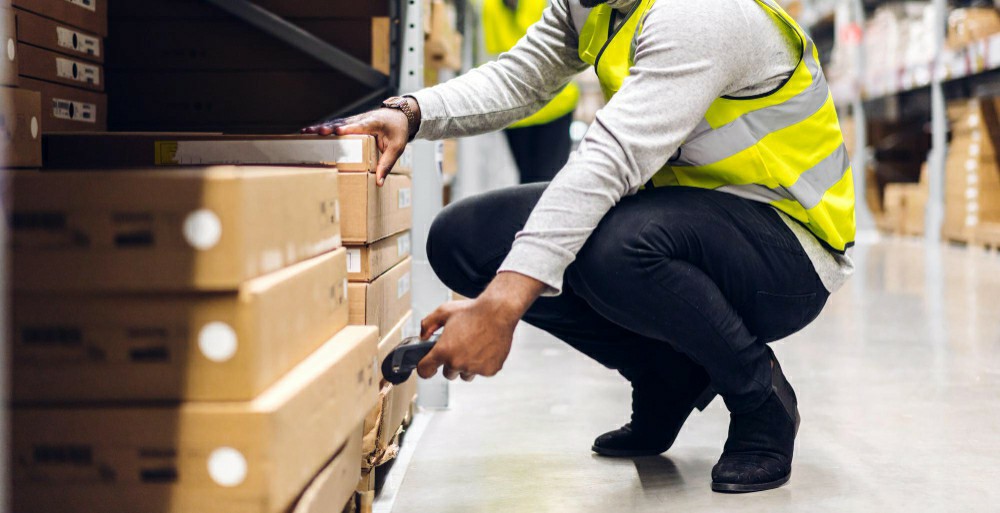
Manual handling refers to the lifting, carrying, pushing, or pulling of loads by hand or bodily force. The prevalence of manual handling tasks across various sectors in Ireland, including warehousing, healthcare, and construction, necessitates comprehensive training. Employers are obligated under Irish Workplace Safety Regulations to minimize risks associated with manual handling tasks.
- Identifying potential hazards
- Conducting thorough risk assessments
- Implementing health and safety practices
Understanding these responsibilities empowers organizations to foster safer work environments while protecting their employees.
Safe Lifting Techniques: How to Prevent Workplace Injuries
Effective manual handling training equips employees with safe lifting techniques that significantly reduce injury risks. Some core principles include:
- Assessing the load: Ensure it is safe to lift.
- Planning the lift: Identify clear pathways and potential hazards.
- Incorporating proper posture: Keep the back straight, bend your knees, and lift with your legs.
- Using assistance: Enlist help for heavy or awkward loads.
By practicing these techniques, employees can minimize the likelihood of musculoskeletal injuries, which are common in manual handling scenarios.
The Benefits of Online Manual Handling Certification for Employers & Employees
Investing in online manual handling certification provides invaluable benefits:
- Legal Compliance: Staying compliant with local safety regulations reduces the risk of fines and legal repercussions.
- Reduced Insurance Costs: Fewer workplace injuries can lead to lower insurance premiums for businesses.
- Increased Productivity: Trained employees are more efficient and confident in their tasks.
- Flexible Learning: Employees can learn at their convenience, reducing the disruption of business operations.
How to Get Certified in Manual Handling Online: A Step-by-Step Guide
Obtaining your certification has never been easier with our Online Manual Handling Course. Here’s how to get started:
- Visit our website and browse the available courses.
- Sign up for the Best Online Manual Handling Course tailored to your industry.
- Complete the course modules at your own pace.
- Pass the assessment to receive your Manual Handling Certification.
This straightforward process allows you to become certified quickly, ensuring your workplace remains compliant with safety standards.
Why Online Manual Handling Training is More Effective & Cost-Efficient
The demand for online training solutions is rapidly increasing due to several key advantages:
- Accessibility: Employees can access the training from anywhere, whether in the office or working remotely.
- Interactive Learning: Engaging course materials enhance retention and application of knowledge.
- Cost-Effectiveness: Online courses typically have lower costs compared to traditional classroom settings, reducing overall training expenses.
Given these benefits, it’s clear why businesses are transitioning to online training formats.
Common Workplace Injuries & How Manual Handling Training Helps Prevent Them
Manual handling tasks can lead to a variety of injuries, including:
- Back injuries
- Muscle strains
- Joint pain
- Cuts and bruises
By participating in certified manual handling training, employees learn to identify risks and implement safety measures, leading to a safer workplace and significantly reduced injury rates.
Best Practices for Safe Manual Handling Across Different Industries
Whether in the healthcare, warehouse, or office settings, the following best practices can enhance safety:
- Conduct regular manual handling risk assessments.
- Encourage a culture of safety where employees feel comfortable discussing risks.
- Utilize ergonomic tools to minimize physical stress.
Implementing these practices can lead to a robust safety culture in any workplace.
Conclusion & Call to Action
Ensuring the safety and well-being of employees is a critical responsibility of every employer. Enroll your team in our Online Manual Handling Course today to bolster compliance and enhance workplace safety. For direct inquiries, contact us at [email protected]. Don’t wait for an accident to happen; prioritize safety and efficiency in your workplace now!