A Comprehensive Overview of Abrasive Wheels: Types, Applications, and Safety Insights
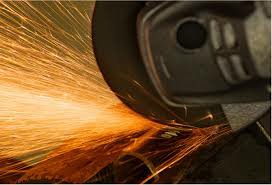
Abrasive wheels play a pivotal role in various industries, providing essential functions from cutting and grinding to polishing materials. Understanding the different types of abrasive wheels, their specific applications, and the risks associated with their use is crucial for ensuring safety in the workplace. This guide will walk you through the various types of abrasive wheels, highlight their applications in Dublin, Cork, Galway, Limerick, Waterford, and other major cities in Ireland, and explain the importance of proper training to mitigate risks.
Types of Abrasive Wheels
Abrasive wheels can be categorized based on their design and purpose. Here are the main types:
- Cutting Wheels: These wheels are designed for slicing through metal, concrete, and other materials. Used widely in construction and metalworking jobs, they come in various thicknesses and materials to suit different applications.
- Grinding Wheels: Typically used for shaping and finishing workpieces, grinding wheels are made from abrasive grains and are essential for bench grinders and surface grinding machines.
- Polishing Wheels: Made from soft materials and often containing compounds, these wheels are used to bring a shine to surfaces, especially in automotive and metal fabrication industries.
- Diamond Wheels: Ideal for cutting and grinding hard materials like ceramics and stone, diamond wheels contain diamond particles, making them highly efficient for specific applications.
Abrasive Wheels Applications
Abrasive wheels find diverse applications across multiple industries:
- Construction: Used for cutting rebar, concrete, and masonry blocks.
- Automotive: Essential for shaping engine components and polishing surfaces.
- Manufacturing: Employed for manufacturing tools and machine parts through grinding and finishing processes.
- Metalworking: Involves applications like metal cutting and surface preparation.
Risks Associated with Abrasive Wheels
While abrasive wheels are highly useful, they also pose significant risks if not handled correctly:
- Wheel Breakage: If an abrasive wheel is damaged or improperly mounted, it can shatter during use, posing a severe risk of injury.
- Overheating: Excessive friction can lead to overheating, which may cause burns or even fires.
- Inappropriate Usage: Using the wrong type of wheel for a specific material can not only render ineffective results but can also create unsafe conditions.
Importance of Proper Training
Ensuring safe handling of abrasive wheels is paramount. Proper training can significantly reduce the risk of accidents and ensure compliance with safety regulations across Ireland, particularly in major cities like Dublin, Cork, and Limerick. Here are key benefits of undergoing certified abrasive wheels training:
- Risk Awareness: Training programs educate workers on identifying hazards associated with abrasive wheels.
- Safe Handling Techniques: Proper training imparts knowledge on how to handle, mount, and use abrasive wheels safely.
- Regulatory Compliance: Certified training ensures that organizations comply with Irish safety regulations, thus avoiding potential fines or penalties.
Abrasive Wheels Training Options in Ireland
For individuals and companies in Dublin, Cork, Galway, and other regions seeking to enhance workplace safety, certified abrasive wheels training courses are available:
- Abrasive Wheels Course Dublin
- Abrasive Wheels Training Cork
- Abrasive Wheels Certification Galway
- Abrasive Wheels Safety Course Limerick
- Abrasive Wheels Certification Waterford
Conclusion
In summary, understanding the various types of abrasive wheels along with their applications and associated risks is vital for anyone involved in manufacturing, construction, or automotive industries. By investing in certified abrasive wheels training in Dublin, Cork, Galway, Limerick, and Waterford, businesses can create safer work environments, ensure compliance with health and safety regulations, and minimize the risk of accidents. For more information on enrolling in our training programs, contact us at [email protected].