


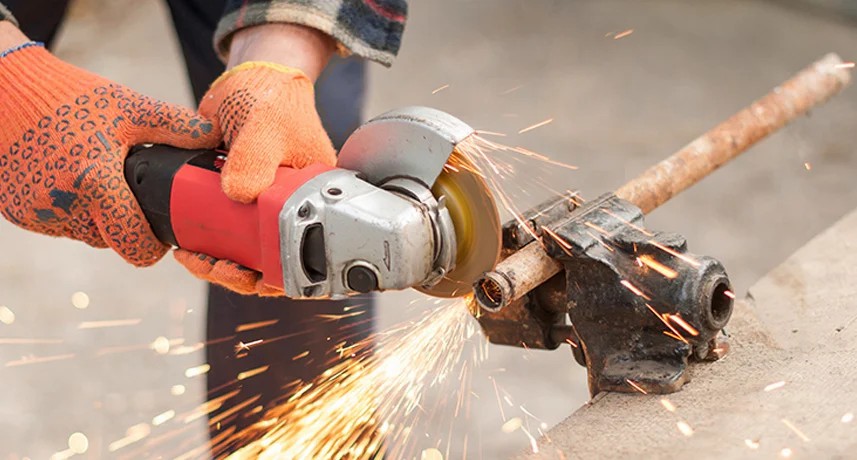
Abrasive Wheels: Comprehensive Guide to Safety and Training in Ireland
Abrasive wheels are essential tools used across various industries for cutting, grinding, and polishing materials like metal, stone, and ceramics. Commonly utilized in construction and manufacturing, these wheels enable efficient material removal, making them indispensable in both professional and DIY projects.
What Are Abrasive Wheels?
Abrasive wheels consist of a flat disc coated with abrasive materials that are used to perform high-speed cutting tasks. These tools come in various shapes, sizes, and material compositions, adapted to specific applications. Understanding the nature of these wheels is critical for safe utilization.
The Common Risks Associated with Abrasive Wheels
While abrasive wheels are highly valuable, they also pose significant safety risks, including:
- Wheel Breakage: Abrasive wheels can shatter upon impact or misuse, causing dangerous projectiles.
- Improper Mounting: If not correctly mounted, wheels may slip, leading to accidents.
- Lack of Protective Gear: Failing to use protective equipment increases the likelihood of injuries.
- Inappropriate Speed: Operating wheels beyond their recommended speed can result in overheating and damage.
Importance of Proper Training
Certification and training regarding abrasive wheels are crucial to mitigate risks. Employees should be well-versed in proper handling, mounting, and operating techniques to ensure compliance with Irish workplace safety standards. Training programs available in cities like Dublin, Cork, Galway, and Limerick help equip workers with the knowledge necessary to handle these tools safely.
Safety Guidelines for Using Abrasive Wheels
To enhance safety in the workplace, adhere to the following guidelines:
- Choose the Right Wheel: Ensure that the wheel's specifications match the task at hand.
- Use Proper Mounting Tools: Utilize compatible flanges and spacers when mounting abrasive wheels.
- Wear Protective Equipment: Always wear safety glasses, gloves, and face shields.
- Conduct Regular Inspections: Inspect wheels for damage prior to use.
- Follow Manufacturer Instructions: Adhere to the guidelines provided by the wheel manufacturer.
Legal Requirements and Compliance
In Ireland, adhering to safety regulations is paramount. Employers should ensure that their team is trained and certified in abrasive wheels handling.
Specific legal requirements include:
- Ensuring all employees using abrasive wheels receive adequate training.
- Maintaining records of training and certification for compliance purposes.
- Conducting regular risk assessments in the workplace.
Best Practices for Preventing Accidents
Implementing the following best practices can significantly reduce the likelihood of accidents:
- Establish a Safety Culture: Foster an environment where safety is prioritized.
- Encourage Reporting: Provide a system for reporting unsafe conditions without fear of repercussion.
- Regular Training Sessions: Conduct ongoing training sessions to reinforce knowledge and skills.
- Utilize Online Training: Consider online courses for flexible training opportunities, such as the Abrasive Wheels Online Course.
Conclusion
Utilizing abrasive wheels safely is vital across industries in cities like Dublin, Cork, Galway, Limerick, and Waterford. Ensuring proper training and adherence to safety guidelines promotes a safer working environment, reduces the risk of accidents, and ensures compliance with workplace safety regulations.
For businesses looking to enhance workplace safety, certified abrasive wheels training is available. Enroll in an Abrasive Wheels Course in Dublin, Cork, or other locations today by contacting us at [email protected].



































