Abrasive Wheels Explained: Understanding Risks, Safety Protocols, and Certification in Ireland
Abrasive wheels are essential tools utilized in various industries, including construction, manufacturing, and metalworking. These wheels are designed to grind, cut, and polish materials, making them invaluable in many applications. However, with their effectiveness comes the necessity for understanding their risks and ensuring proper safety practices are implemented.
What Are Abrasive Wheels?
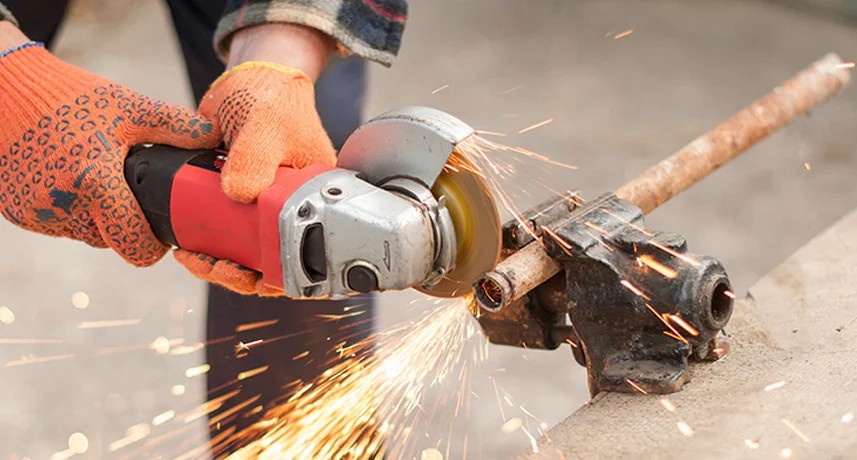
Abrasive wheels are circular discs made of abrasive particles that are used for grinding and cutting hard materials. They come in various shapes and sizes, and each is designed for specific applications, including:
- Grinding: Used to sharpen tools and remove material from workpieces.
- Cutting: Employed to slice through metal, tile, and other tough materials.
- Polishing: Used to create a smooth finish on surfaces.
Common Risks Associated with Abrasive Wheels
Despite their utility, abrasive wheels pose several safety risks, including:
- Wheel Breakage: If not properly mounted or if subjected to excessive pressure, wheels can shatter, posing a risk of injury.
- Improper Usage: Misalignment or incorrect use can lead to accidents and ineffective work.
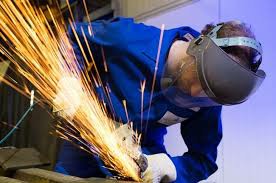
- Lack of Protective Equipment: Not wearing appropriate safety gear increases the risk of injuries.
- Dust Generation: Abrasion can produce harmful dust that can cause respiratory issues if inhaled.
The Importance of Proper Training
Proper training in the use of abrasive wheels is not only beneficial but essential. Here’s why:
- Knowledge of Equipment: Understanding the specific type of wheel for particular jobs enhances safety and efficiency.
- Safety Protocols: Training covers essential safety measures such as how to handle equipment, maintenance practices, and appropriate protective gear.
- Compliance: Adhering to local safety regulations is crucial for avoiding legal repercussions and ensuring worker protection.
Safety Guidelines When Using Abrasive Wheels
To minimize risks when using abrasive wheels, follow these essential safety guidelines:
- Inspection: Always inspect wheels for defects before use.
- Proper Mounting: Ensure wheels are mounted according to manufacturer specifications.
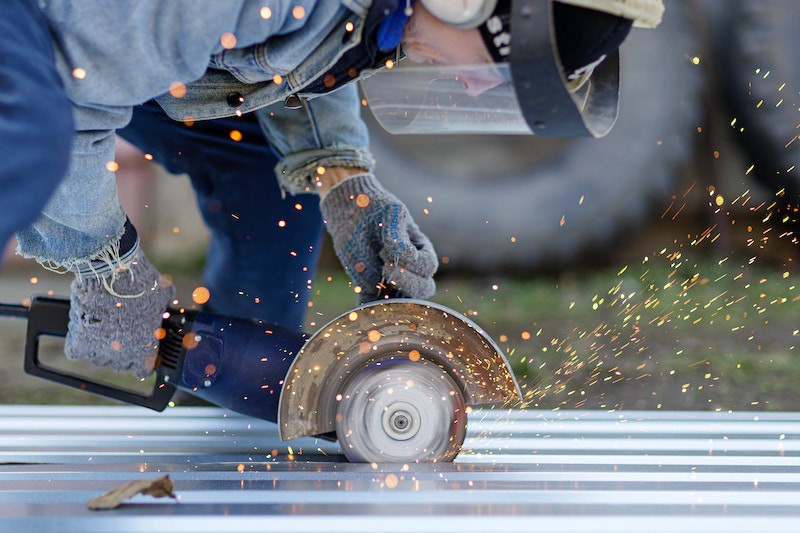
- Protective Gear: Always wear safety glasses, gloves, and other appropriate protective gear.
- Environment: Keep the workspace clean and free from clutter to avoid tripping hazards.
Legal Requirements and Compliance
In Ireland, operators of abrasive wheels must comply with specific safety standards to maintain a safe working environment. Legislation requires appropriate training and certification for anyone using these tools. This includes:
- Health and Safety at Work Act: Employers must ensure the health and safety of their employees by providing necessary training.
- Safety, Health and Welfare at Work Regulation: Outlines requirements for equipment safety and employee protection.
Best Practices for Preventing Accidents
Implementing best practices can significantly reduce the risk of accidents when using abrasive wheels:
- Regular Training Updates: Ensure that all employees undergo periodic refresher courses on safety protocols.
- Certification: Enroll all employees in certified abrasive wheels training programs offered in Dublin, Cork, Galway, Limerick, and Waterford.
- Clear Work Procedures: Establish and communicate clear procedures for using abrasive wheels to all employees.
Conclusion
Utilizing abrasive wheels safely requires a thorough understanding of their risks, proper training, and adherence to safety protocols. Investing in certified training programs, such as those available in Dublin and across Ireland, is crucial for safeguarding not only employees but also the integrity of workplace operations. For certified abrasive wheels training, find courses offered in your city today and ensure compliance with safety and legal standards.
For more information about available courses, contact us at [email protected].