Abrasive Wheels Risks: Safety Hazards and Prevention Techniques for Workplace Compliance in Ireland
Abrasive wheels are essential tools in industries ranging from construction to manufacturing, but they also pose significant risks if not used properly. This guide explores the various **Abrasive Wheels risks**, outlines common hazards and injuries, and presents best practices for ensuring safety and compliance across Ireland's workplaces, particularly in major cities like **Dublin, Cork, Galway, Limerick, and Waterford**.
Understanding the Risks of Abrasive Wheels
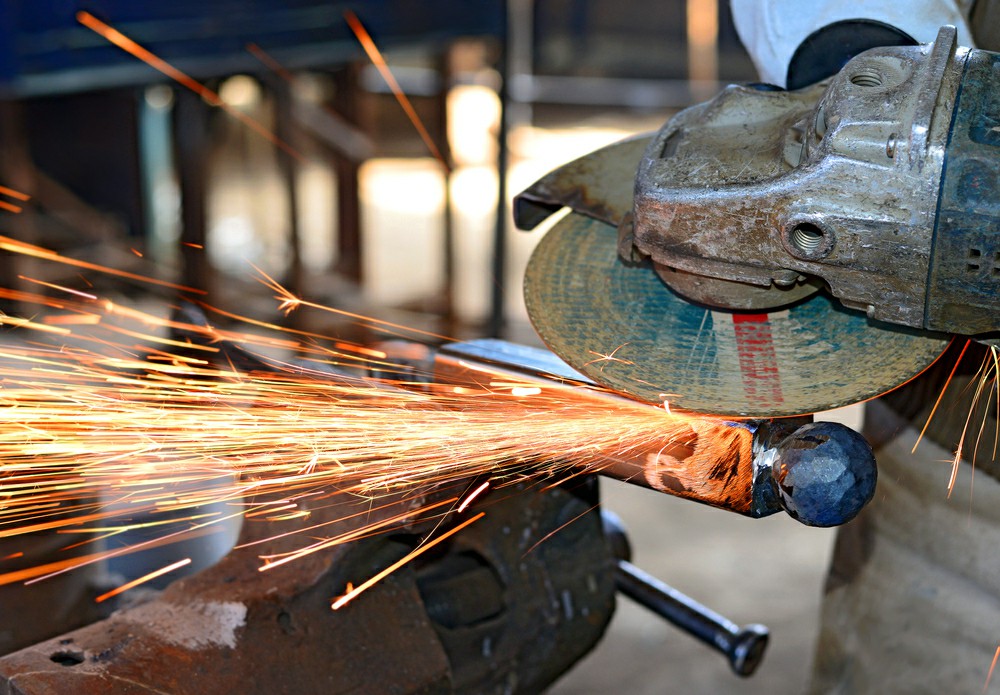
Abrasive wheels, when misused or malfunctioning, can lead to serious workplace accidents. Understanding the associated risks is the first step in creating a safer working environment.
- Wheel Breakage: A common hazard where the wheel shatters due to excessive speed or improper handling, leading to projectiles that can cause severe injuries.
- Improper Usage: Using the wrong type of wheel for specific materials or applying too much pressure can increase the risk of accidents.
- Lack of Personal Protective Equipment (PPE): Failure to wear appropriate gear, including safety goggles, gloves, and face shields, heightens the likelihood of injury.
Common Injuries Associated with Abrasive Wheels
Injuries can vary in severity depending on the nature of the accident:
- Cuts and Lacerations: Direct contact with a spinning wheel can cause deep cuts and lacerations, which may require medical attention.
- Eye Injuries: Flying debris can result in significant eye damage, from minor irritations to permanent loss of vision.
- Musculoskeletal Injuries: Poor lifting techniques and the prolonged use of heavy equipment can cause back and muscle injuries.
Implementing Safety Measures: The Role of Training
One of the most effective ways to mitigate risks is through comprehensive training. In cities like **Dublin, Cork, Galway, and Limerick**, many employers can benefit from enrolling their staff in dedicated **Abrasive Wheels training courses**. Here are some critical points on training:
- Certified Abrasive Wheels Training: Certification courses not only cover usage techniques but also emphasize safety protocols, maintenance, and inspection procedures.
- Hands-On Training: Practical sessions that replicate real-world scenarios can help employees understand the risks and improve their hands-on skills.
- Regular Refreshers: Recurrent training sessions ensure employees stay up-to-date on safety measures and any changes to industry regulations.
Personal Protective Equipment: Your First Line of Defense
The right PPE is crucial in preventing injuries when working with abrasive wheels. Essential protective gear includes:
- Safety Goggles: Protect against flying particles.
- Face Shields: Offer additional protection to the face and neck.
- Gloves: Provide grip and protect against cuts.
Conducting Thorough Risk Assessments
Regular risk assessments tailored to each workplace can identify hazards and develop protocols to mitigate them. Key steps include:
- Identifying Hazards: Regularly inspect equipment and work areas to spot wear and tear or unsafe conditions.
- Employee Feedback: Encourage employees to report any unsafe situations or suggestions for improvements.
- Document Findings: Keep records of assessments and actions taken to reduce risks, ensuring compliance with safety regulations in Ireland.
Best Practices for Abrasive Wheels Safety
To maintain a safe workplace, consider the following practices:
- Regular Inspections: Conduct checks on all abrasive wheels and ensure they are free from defects.
- Adhere to Manufacturer Guidelines: Always follow the manufacturer’s instructions concerning speed limits and wheel usage.
- Implement a Buddy System: Encourage workers to operate in pairs to monitor one another’s safety.
Concluding Thoughts
The risks associated with abrasive wheels are significant, but with proper training, PPE, and proactive risk assessments, these dangers can be significantly reduced. Employers in **Dublin, Cork, Galway, Limerick, and Waterford** are encouraged to prioritize safety by investing in certified **Abrasive Wheels courses**. Take action now and ensure your workplace adheres to safety standards to protect your employees.
Call to Action: Enroll in our **Abrasive Wheels training course** today to ensure compliance and safety in your workplace! Visit Ireland Safety Training for more information, or contact us at [email protected].