Abrasive Wheels Safety: Essential Certification to Minimize Workplace Risks in Ireland
Abrasive wheels are invaluable tools across various industries, but they come with significant risks. Proper certification can help mitigate these risks and ensure a safer working environment. In this article, we will delve into the hazards associated with abrasive wheels, common injuries, best safety practices, and the critical necessity of obtaining an Abrasive Wheels Certificate.
Understanding Abrasive Wheels and Their Risks
Abrasive wheels are used for grinding, cutting, and polishing materials in workshops and construction sites. However, if misused, these tools can lead to devastating accidents. Understanding the risks associated with abrasive wheels is the first step toward ensuring safety.
Common Hazards of Abrasive Wheels
- Wheel Breakage: A fractured wheel can eject high-speed shards, causing severe injuries or fatalities.
- Improper Usage: Incorrect mounting or operating speed can lead to wheel failure, increasing the likelihood of accidents.
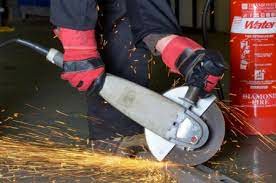
- Lack of Personal Protective Equipment (PPE): Failing to wear safety goggles, gloves, and hearing protection can result in severe injuries.
- Inadequate Training: Untrained operators may misuse equipment or fail to follow safety protocols.
- Environmental Hazards: Dust and debris generated during operations can pose health risks over time.
Common Injuries
Injuries resulting from abrasive wheels can be catastrophic. Here are some of the most common types:
- Eye Injuries: Flying debris can cause permanent damage to eyesight.
- Burns and Cuts: Improper handling or accidental contact with the abrasive material can lead to severe burns or lacerations.
- Hearing Loss: Prolonged exposure to high noise levels can result in hearing impairment.
- Bone Fractures: Serious incidents due to wheel explosions can cause fractures and other traumatic injuries.
Best Practices for Preventing Accidents
To safeguard yourself and your colleagues while using abrasive wheels, adherence to safety practices is paramount:
- Proper Training: Enroll in an Abrasive Wheels Course that covers safe handling, usage protocols, and emergency response.
- Conduct Regular Inspections: Routinely check equipment for damage or wear before use.
- Follow Manufacturer Guidelines: Always operate within the stipulated speed and load limits defined by the manufacturer.
- Use Personal Protective Equipment (PPE): Ensure all workers wear appropriate PPE such as safety goggles, gloves, and dust masks.
- Ensure a Clean Work Environment: Maintain cleanliness around workstations to minimize potential tripping hazards and dust accumulation.
The Importance of Abrasive Wheels Certification
Obtaining an Abrasive Wheels Certificate is not just about compliance; it enhances workplace safety and can lead to career advancement opportunities:
- Improved Safety: Certification ensures that personnel are trained in safety protocols, thus reducing accident rates significantly.
- Compliance with Regulations: Certification helps ensure adherence to Irish workplace safety legislation.
- Enhanced Career Opportunities: Certified operators are often more desirable to employers in industries utilizing abrasive wheels.
- Confidence and Skill Development: Certification programs provide hands-on experience and build confidence in handling equipment safely.
Where to Obtain Your Abrasive Wheels Certificate in Ireland
Training courses are widely available throughout Ireland in cities such as Dublin, Cork, Galway, Limerick, and Waterford. Consider enrolling in an Abrasive Wheels Safety Course to ensure you and your team are adequately prepared.
For further information on the Abrasive Wheels Course, including scheduled classes and locations, please contact us at [email protected].
Conclusion
In conclusion, while abrasive wheels are essential tools in various industries, their associated risks cannot be underestimated. Implementing safety protocols, obtaining proper training, using PPE, and securing an Abrasive Wheels Certificate can drastically reduce workplace accidents. Protect yourself and your colleagues by prioritizing safety measures today!