


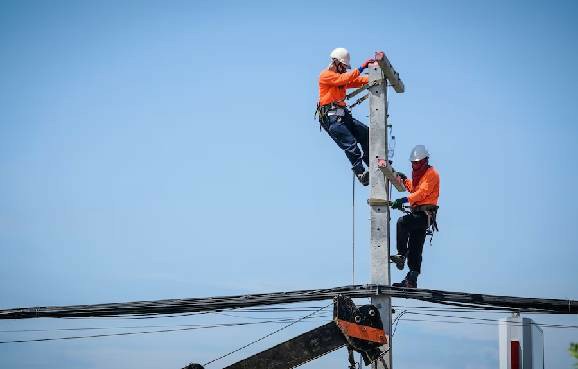
Accredited Working at Heights Courses: The Key to Enhanced Safety and Compliance
In today’s fast-paced working environment, ensuring employee safety is not just a legal requirement but a moral obligation. Particularly in high-risk activities, such as working at heights, effective training plays a crucial role in maintaining safe workplaces. This is where accredited Working at Heights courses become indispensable for businesses looking to enhance safety standards and comply with regulations.
The Significance of Accredited Training
Accreditation is validation from a recognized organization that a training provider meets specific criteria for delivering quality training programs. For Working at Heights training, choosing an accredited provider is essential for several reasons:
- Compliance with Regulations: Accredited courses comply with guidelines set forth by authorities such as the Health and Safety Authority (HSA) and the Health and Safety Executive (HSE). This ensures your business adheres to legislation regarding the training of employees working from heights.
- Quality Assurance: Accreditation ensures that the training delivered meets established standards and covers essential safety practices comprehensively.
- Legally Recognized Certification: Completion of an accredited Working at Heights Certification course provides employees with a certification that is recognized across the industry, offering credibility to both the employee and the employer.
Recognized Accrediting Bodies: HSA, HSE, and RoSPA
Understanding key accrediting bodies is vital when selecting a training provider. Each of these organizations plays a significant role in the development of safety training:
- Health and Safety Authority (HSA): The HSA is Ireland's national body responsible for ensuring compliance with workplace safety regulations. They provide resources and guidelines that develop effective training standards.
- Health and Safety Executive (HSE): The HSE is the organization that regulates workplace health and safety in the UK, providing guidance for best practices in training and compliance.
- Royal Society for the Prevention of Accidents (RoSPA): RoSPA has a long-standing history of promoting safety and health, offering accreditation that signifies exceptional training delivery.
Benefits of Accredited Working at Heights Training
Investing in accredited training can offer businesses numerous advantages, including:
- Reduction in Workplace Incidents: Proper training reduces the risk of accidents significantly by ensuring that workers understand safety protocols, use equipment correctly, and are aware of their surroundings.
- Improvement in Worker Confidence: Employees who receive accredited training feel more confident in their abilities, leading to increased productivity and a positive work environment.
- Enhanced Business Reputation: A commitment to employee safety can improve a business’s reputation, making it more attractive to potential clients and employees.
The Risks of Non-Accredited Training
Opting for non-accredited providers can lead to serious implications:
- Legal Repercussions: If an incident were to occur, businesses could face severe legal consequences for not adhering to safety training regulations.
- Inadequate Training: Non-accredited courses often do not meet industry standards, leaving employees underprepared for the hazards they face.
- Loss of Business: A poor safety record can deter potential clients, impacting profitability and growth.
Case Studies: Successful Implementation of Accredited Training
Many companies have benefited from choosing accredited Working at Heights courses. Here are a couple of examples:
- Construction Firm in Dublin: Implementing an accredited Working at Heights Safety Course saw a 30% reduction in incidents over the year, showcasing the effectiveness of quality training.
- Utility Company in Galway: By ensuring all employees completed Working at Heights Certification Ireland, they maintained zero accidents during projects over two consecutive years.
Conclusion: Choose Accredited Training for Safety and Compliance
Businesses must prioritize employee safety and legal compliance by investing in accredited Working at Heights training. With recognized certifications from the HSA, HSE, and RoSPA, you can furnish your workforce with the necessary knowledge and skills to perform safely at heights, ultimately protecting your employees and business reputation.
If you're ready to select a reputable provider for your Working at Heights Certification Dublin needs, consider partnering with trusted accredited training organizations. Start enhancing your workplace safety by visiting Ireland Safety Training or contact us at [email protected] for more information.



































