Achieving Workplace Safety: The Importance of Comprehensive Manual Handling Training
In today's fast-paced work environment, safety remains a top priority for employers and employees alike. One of the critical aspects of workplace safety is proper manual handling. With an increasing recognition of its importance, manual handling training online has become essential for many organizations across Ireland. This blog will explore the key elements of comprehensive manual handling training, its significance, and the certification process.
What is Manual Handling?
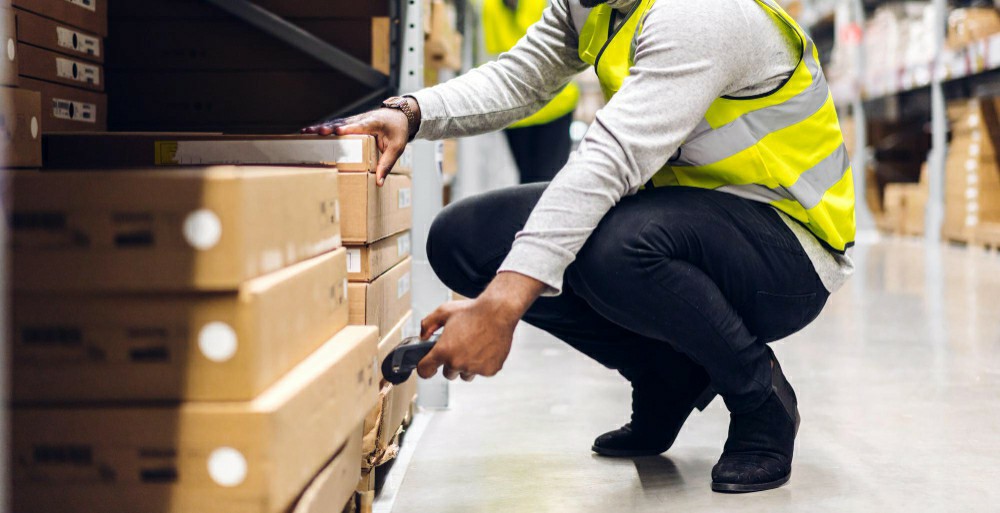
Manual handling refers to transporting, supporting, or assisting a load using bodily force. This task is performed in various industries, including healthcare, construction, and warehousing. Proper training in manual handling ensures that workers understand the risks involved and how to mitigate them, preventing injuries and promoting a safer workplace.
The Importance of Health and Safety in Manual Handling
Every year, workplace injuries related to manual handling contribute significantly to employee absenteeism. According to reports, a considerable percentage of musculoskeletal injuries can be traced back to improper manual handling techniques. Hence, investing in manual handling training is not just beneficial; it is vital for.
- Reducing workplace injuries
- Ensuring legal compliance
- Improving productivity and efficiency
- Boosting employee morale and confidence
Key Components of a Comprehensive Manual Handling Training Course
A well-structured manual handling training course should cover several topics to ensure participants leave with a full understanding of safe practices. Here are the core components:
1. Handling Theory
This section introduces the principles of manual handling, including biomechanics and physics. Participants learn how to use their bodies effectively during lifting and carrying tasks to minimize strain.
2. Risk Assessment
Understanding risk assessment is critical for any handling task. Course participants are trained to identify potential hazards, evaluate risks, and implement control measures to enhance safety.
3. Practical Handling Techniques
Practical skills are crucial when it comes to manual handling. A good training course provides hands-on practice with different lifting and carrying techniques tailored to various scenarios in the workplace.
Benefits of Online Manual Handling Training
In recent times, manual handling training online has gained popularity due to its flexibility. Here are some of the benefits:
- Convenience: Participants can learn from any location without the need to commute.
- Self-paced learning: Online courses often allow participants to learn at their own pace, making it easier to absorb the material.
- Accessibility: This format ensures that employees in rural places or those with tight schedules can receive vital training.
The Certification Process
Successful completion of manual handling training results in a manual handling certificate. The certification process usually involves a short assessment or a quiz to ensure understanding of the material. Participants can receive their manual handling cert online, which adds to the ease of obtaining qualifications.
Why Choose Irish Manual Handling Training?
At Irish Manual Handling Ltd., we specialize in providing high-quality manual handling training Ireland residents can trust. Our courses are designed to meet the specific needs of various industries, ensuring compliance with health and safety regulations while enhancing workplace productivity. Our online programs are easily accessible and structured to help you achieve certification in a timely manner.
Conclusion
Ensuring workplace safety through proper manual handling training is an investment in your organization’s future. The training not only prevents injuries and promotes health and safety but also increases overall productivity. Don’t wait for an accident to happen—enroll in our manual handling training Dublin program today by reaching out to us at [email protected] for more information.