


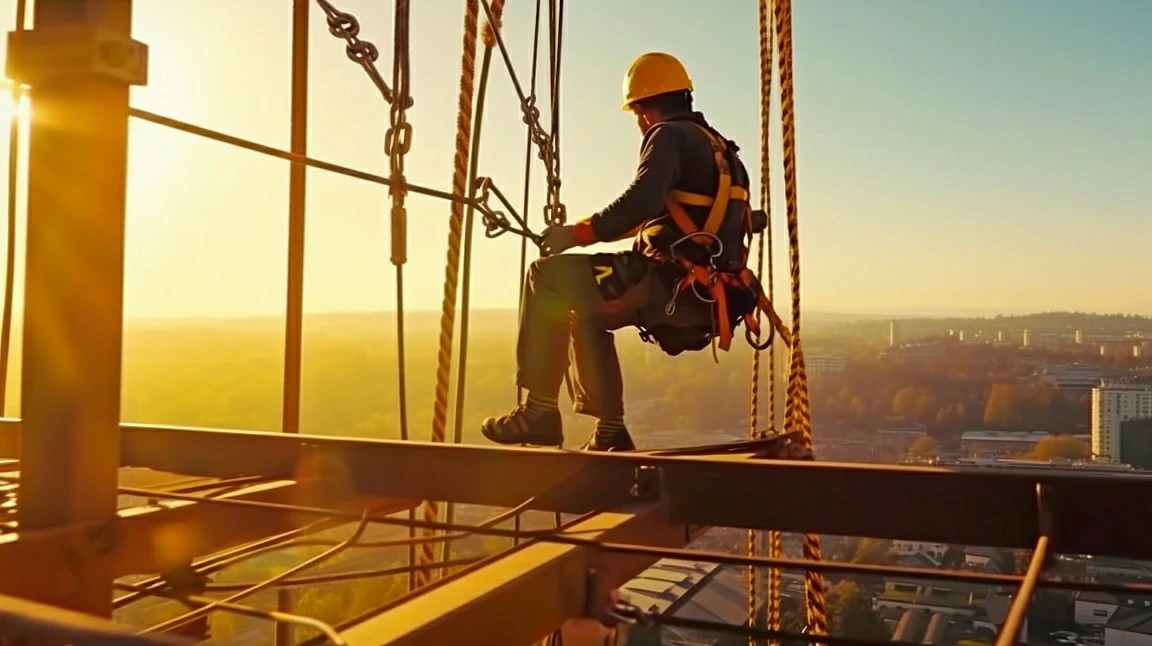
Avoiding Common Mistakes When Working at Heights: How Training Saves Lives
Working at heights is an essential aspect of many jobs, from construction and maintenance to window cleaning and telecommunications. However, this kind of work is fraught with potential hazards. Statistics reveal that falls from height consistently rank as one of the leading causes of serious injuries and fatalities in the workplace. Addressing the human errors that lead to these incidents is crucial for safety.
Common Mistakes in Working at Heights
Even the most experienced workers can make mistakes when it comes to safety procedures while working at heights. Below, we outline some of the most frequent errors that occur in this high-risk environment:
1. Incorrect Equipment Usage
Using the wrong equipment or improperly using equipment is a major mistake that can lead to serious accidents. For instance, workers may fail to use Personal Protective Equipment (PPE) correctly, such as harnesses—failing to secure them or using equipment that is not rated for their weight. Additionally, utilizing ladders that are not well-maintained or that do not meet safety standards can also be fatal.
- Example: A worker attempting to use a faulty ladder may find themselves experiencing a severe fall, resulting in injury or worse.
2. Lack of Risk Assessment
Conducting a thorough risk assessment is critical before starting any job that involves working at height. However, many workers neglect this important step, often due to time constraints or a lack of training. Failures in identifying potential hazards can lead to dire consequences.
- Example: A worker who omits to assess wind conditions before starting a job on a rooftop may find themselves working in unsafe conditions, leading to injury.
3. Failure to Follow Safety Procedures
Every employer should have clear safety procedures in place, yet many workers choose to bypass these protocols, especially if they believe that their experience allows them to do so safely. Ignoring established practices increases the risk of unsafe working conditions significantly.
- Example: A worker neglecting to properly secure tools may accidentally drop them from a height, posing a danger to those below.
The Consequences of Ignoring Safety Practices
The consequences of not addressing these common mistakes can be severe. Beyond physical injuries, the emotional and financial impacts on both the individual and their families can be long-lasting. Employers also face legal repercussions, increased insurance costs, and damage to their reputation in the community.
The Role of Training in Prevention
Proper training is essential in minimizing risky behaviors and promoting safety in the workplace. A well-structured Working at Heights training course provides workers with the necessary knowledge and skill set to correctly identify hazards, use equipment safely, and follow established safety procedures.
- Working at Heights Safety Course: Regular training reinforces the importance of using the right equipment, such as harnesses and guard rails, in a safe manner.
- Risk Assessment Training: Workers learn how to effectively conduct risk assessments before starting their tasks, proactively identifying potential hazards.
- Safety Procedure Education: Training emphasizes the importance of following workplace safety procedures and the potential consequences of ignoring them.
Examples of Improved Safety through Training
Employers who invest in certified Working at Heights certification courses for their teams have reported significant decreases in accidents and near misses. For instance, an organization in Dublin that mandated Working at Heights training across their workforce saw a 75% reduction in fall-related incidents within the first year.
Getting Started with Training
If you’re an employer or an employee working at heights, it’s critical to enroll in a Working at Heights Course. Courses are available in various formats, including Working at Heights Course Online, making it easier for workers to gain essential knowledge without compromising their work schedules.
In Ireland, training centers, particularly in cities like Dublin, Cork, and Galway, offer Certified Working at Heights Training to ensure compliance with workplace regulations.
Conclusion
By understanding the common mistakes workers make while working at heights and investing in comprehensive training programs, you can significantly enhance safety standards and protect lives. Engage with your team, prioritize Working at Heights safety, and take proactive steps to ensure everyone stays safe while doing their jobs.
For more information and to enroll in a Working at Heights Course, contact us at [email protected] today!



































