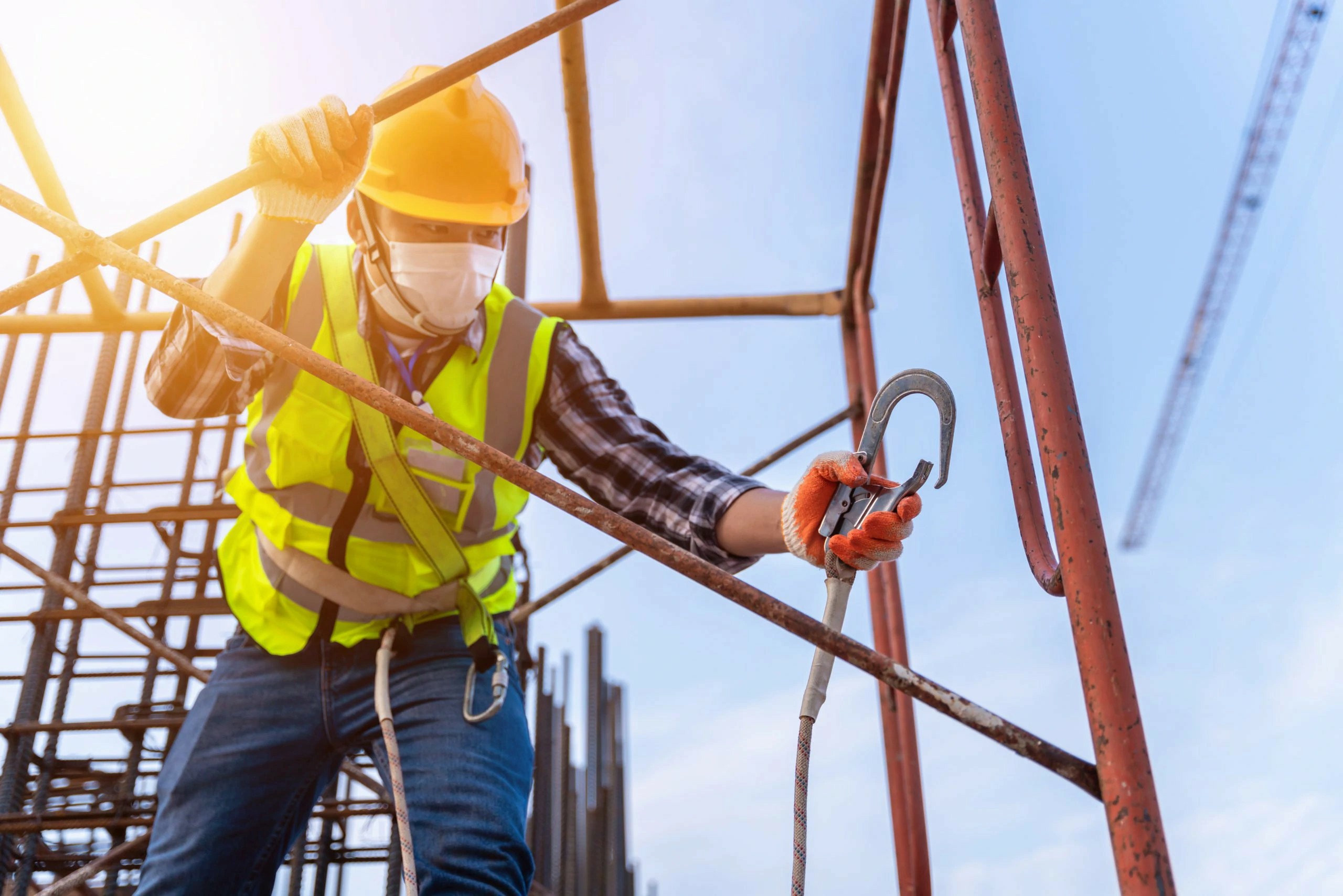
Avoiding the Pitfalls: Common Mistakes in Working at Heights and Their Solutions
Working at heights can be perilous; it demands rigorous safety measures and proper training. Falls from elevation are a leading cause of workplace injuries and fatalities. Understanding the common mistakes made while working at heights can significantly enhance safety and prevent accidents. In this post, we will delve into frequent errors, highlighting how Working at Heights training and certification can make a difference.
The Importance of Proper Training
Before we dive into specific mistakes, it's essential to underscore the role of Working at Heights courses. Quality training equips workers with the knowledge they need to identify hazards, use equipment correctly, and follow established safety procedures. With proper education, the likelihood of accidents decreases significantly.
Common Mistakes Workers Make When Working at Heights
1. Incorrect Equipment Usage
Improper use of equipment is one of the leading causes of accidents when working at heights. Common instances include:
- Using the Wrong Type of Harness: Many workers use harnesses that are unsuitable for their specific task. For example, a fall arrest harness might be necessary for certain elevated activities, while a positioning harness would be inadequate.
- Improper Ladder Use: Relying on ladders that are damaged or using the wrong ladder type is another common error. Not securing ladders properly can lead to a slip or fall.
- Neglecting to Inspect Equipment: Failure to inspect personal protective equipment (PPE) and tools can result in using faulty gear. Regular maintenance checks are crucial.
Through Certified Working at Heights Training, workers learn the importance of selecting and maintaining the appropriate equipment. Training also emphasizes the necessity of frequent inspections and understanding manufacturer instructions.
2. Lack of Risk Assessment
Many workers skip vital risk assessments, which can lead to unanticipated dangers. A thorough risk assessment includes identifying potential hazards, evaluating the risks, and deciding on appropriate safety measures. Common oversights during risk assessments include:
- Overlooking Site Conditions: Failure to assess the working environment, such as unstable ground or overhead hazards, can increase risks significantly.
- Disregarding Weather Conditions: Bad weather can dramatically increase the likelihood of accidents; therefore, assessments should include weather considerations.
- Ignoring Tool Safety: Assessing the safety of tools that workers will be using at height is critical and often neglected.
Training encapsulates how to conduct thorough risk assessments, enabling workers to identify and mitigate risks effectively. By incorporating practical scenarios, workers can become adept at recognizing potential risks before they lead to accidents.
3. Failure to Follow Safety Procedures
The adherence to established safety procedures is paramount in ensuring safety when working at heights. Often, mistakes arise from:
- Substituting Equipment: Workers may use makeshift equipment instead of specified tools, ignoring safety protocols.
- Working Alone: Many incidents occur when workers fail to follow the safety procedure of having a buddy or spotter when working at heights.
- Rushing the Process: In many cases, the pressure to meet deadlines leads workers to cut corners and skip safety protocols.
To combat these issues, Working at Heights Safety Courses educate workers on the significance of adhering to safety procedures and the potential consequences of negligence. They teach the importance of maintaining communication and teamwork when working at heights.
Real-world Examples of Training Impact
Several companies have reported significant improvements in workplace safety after implementing structured Working at Heights Certification. For instance:
- A construction firm in Dublin witnessed a 45% decrease in height-related accidents after mandating Working at Heights training for all employees.
- A maintenance team in Cork reduced fall incidents by 30% within six months of completing a Working at Heights Course Online.
- Aerial work platform operations in Galway reported zero accidents after completing Working at Heights Safety Course.
These case studies confirm that investing in training can lead to safer work environments and more efficient operations.
Actionable Solutions for Improved Workplace Safety
To enhance safety practices when working at heights, consider implementing the following:
- Regular Safety Training: Schedule ongoing Working at Heights training and refresher courses to ensure all employees are up-to-date on safety protocols.
- Create a Safety Culture: Cultivate an environment where safety is prioritized. Encourage workers to voice concerns and report unsafe conditions.
- Conduct Evaluations: Regularly evaluate your workplace's safety practices and ensure compliance with the latest regulations.
- Provide Access to Resources: Make safety gear and equipment readily available and ensure everyone knows how to use them appropriately.
Ultimately, the goal is to ensure that every worker returns home safely at the end of the day.
Conclusion
Common mistakes made while working at heights can lead to serious accidents and injuries. Proper Working at Heights certification and training equip workers with the necessary knowledge and tools to reduce risks effectively. By understanding these pitfalls and taking proactive measures, businesses can foster a safer workplace and protect their most valuable asset—the workers.
If you're looking to enhance workplace safety or require further training, consider enrolling in a certified Working at Heights Course. For more information, visit Ireland Safety Training or contact us at [email protected].