Choosing the Right Working at Heights Training Provider in Ireland: A Comprehensive Guide
When it comes to safety in the workplace, particularly in environments involving elevated work, investing in proper Working at Heights training is crucial. With countless training providers in Ireland, selecting the best one for your employees can be overwhelming. This guide aims to equip businesses and individuals with the knowledge necessary to choose an effective and accredited Working at Heights certification provider.
Understanding the Importance of Working at Heights Training
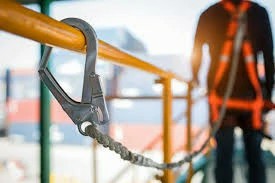
Working at heights can pose significant risks if not managed properly. Falls from heights account for a large percentage of workplace injuries and fatalities. Therefore, Working at Heights training is not just a regulatory requirement; it is a fundamental component of workplace safety. A well-structured Working at Heights course can:
- Provide employees with essential skills and knowledge to work safely at heights.
- Foster a culture of safety within your organization.
- Ensure compliance with legislation and health and safety regulations, including those set by the Health and Safety Authority (HSA).
Key Factors to Consider When Choosing a Training Provider
When evaluating potential Working at Heights training providers, consider the following factors:
1. Accreditation
Accreditation is paramount when selecting a training provider. Look for providers accredited by recognized bodies such as:
- Health and Safety Authority (HSA)
- Health and Safety Executive (HSE)
- The Royal Society for the Prevention of Accidents (RoSPA)
These accreditations validate the quality and standard of the training being provided, ensuring that participants receive credible education.
2. Course Content
Review the course content to ensure it covers critical topics pertinent to safe practices when working at heights. Essential aspects should include:
- Risk assessments
- Use of personal protective equipment (PPE)
- Safe ladder usage and scaffolding
- Emergency procedures
A detailed curriculum helps ensure that trainees receive comprehensive knowledge and practical skills that they can apply to prevent accidents.
3. Flexibility of Training Options
Consider whether the training provider offers Working at Heights courses online or in-person. While both formats have advantages, businesses may benefit from the following considerations:
- In-Person Training: Often includes hands-on practice which can reinforce learning and allow for direct trainer feedback.
- Online Courses: Ideal for flexibility and can accommodate participants from different locations. Ensure the provider offers engaging content and interactive elements.
Check if the provider has an option for both formats to suit the needs of different employees.
4. Trainer Expertise
A well-qualified instructor can make a significant difference in the training experience. Investigate the qualifications and experience of the trainers at the provider you're considering. Look for:
- Relevant certifications in Working at Heights safety
- Experience in training and real-world application of safety protocols
- Positive feedback from previous trainees
Experienced trainers bring relatable insights and can effectively communicate complex safety concepts.
5. Cost Considerations
While budget is a critical factor, it should not be the sole determinant. Compare costs across various training providers, but ensure that you are also considering the value offered. Look closely at:
- What is included in the course fee (materials, certification, follow-up support)
- Any additional costs (e.g., travel, accommodation for in-person courses)
The cheapest option may not always provide the best quality of training.
6. Reviews and Testimonials
Research reviews and testimonials from past trainees to gain insight into the provider's effectiveness. This can give you a clearer picture of:
- Overall satisfaction with the training
- Specific praises or complaints regarding course delivery and content
- The applicability of skills learned in a real workplace setting
Essential Checklist for Businesses
As a business looking to enroll your employees in Working at Heights training, use this checklist to evaluate training providers:
- Is the training provider accredited by recognized bodies (HSA, HSE, RoSPA)?
- Does the course content cover all necessary aspects of Working at Heights safety?
- Are training options available in both online and in-person formats?
- Do trainers have relevant qualifications and real-world experience?
- Is the pricing transparent, and does it offer good value for the included services?
- Are past trainee reviews positive and indicative of a quality training experience?
Conclusion
Choosing the best Working at Heights training provider in Ireland is not just about meeting regulatory requirements—it's about safeguarding your employees while fostering a culture of safety within your organization. Assess providers thoroughly and make informed choices based on accreditation, course content, trainer expertise, and feedback from previous participants.
To help you take the first step toward ensuring safety in your workplace, consider exploring the offerings available through Ireland Safety Training. For inquiries, reach out via [email protected].