Comprehensive Guide to Ireland's Working at Heights Training Regulations
In the dynamic world of workplace safety, Working at Heights training stands out as a crucial component for employers and employees alike. The legal requirements surrounding this training in Ireland are underscored by various safety regulations and standards, primarily laid out by the Health and Safety Authority (HSA) and the Health and Safety Executive (HSE). Understanding these obligations is essential for promoting safety and avoiding severe penalties for non-compliance.
The Importance of Working at Heights Training
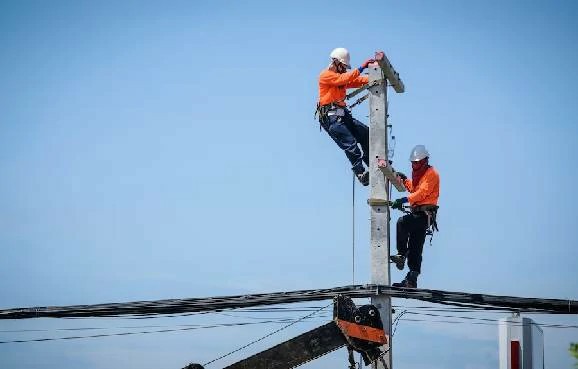
Working at heights is inherently risky, and the necessity for comprehensive training cannot be overstated. According to statistics, falls from height are among the leading causes of serious workplace injuries and fatalities. Thus, ensuring that employees receive Working at Heights training not only meets legal standards but also massively contributes to a safer work environment.
Legal Framework for Working at Heights Training in Ireland
In Ireland, the legal framework for Working at Heights Training is enforced through various crucial safety regulations:
- Safety, Health and Welfare at Work Act: This act mandates employers to ensure, as far as is reasonably practicable, the safety, health, and welfare of their employees at work.
- General Application Regulations: These regulations contain specific provisions related to work at heights, outlining the requirements for safe practices and training for employees.
- HSA Guidelines: The HSA provides clear guidance on best practices for working at heights, including the need for adequate training and equipment.
Employer Responsibilities Under HSA and HSE Regulations
Employers in Ireland have specific responsibilities regarding Working at Heights Certification.
- Risk Assessments: Employers are responsible for conducting thorough risk assessments to identify potential fall hazards and implement suitable control measures.
- Provision of Training: It is the employer's duty to ensure that all employees undertaking work at heights receive appropriate training. This includes providing opportunities to attend a certified Working at Heights Course.
- Access to Safe Equipment: Employers must ensure that all necessary safety equipment is available and in good working condition, alongside training on its proper use.
Penalties for Non-Compliance
The penalties for failing to comply with Working at Heights Training regulations can be severe. Offenders may face:
- Significant fines imposed by the HSA.
- Legal action that could result in compensation claims from injured employees.
- Possible criminal prosecution in cases of gross negligence.
Ensuring Compliance with Working at Heights Safety Laws
To ensure compliance with Working at Heights Safety Course requirements, employers can take several proactive steps:
- Choose Accredited Training Providers: Selecting a provider that offers Certified Working at Heights Training is crucial. Look for courses that align with HSA regulations.
- Continuous Training Programs: Incorporate ongoing training sessions to keep skills updated. This is especially relevant for new workers or when equipment changes.
- Regular Safety Audits: Conduct routine audits to assess adherence to safety standards and identify areas for improvement.
Conclusion
Compliance with Working at Heights Certification Ireland is not merely a legal obligation but a vital step toward ensuring the safety of all workers. By understanding and implementing the necessary training requirements, employers can protect their staff while safeguarding their business against potential legal repercussions. Enroll your employees today in a Working at Heights Course Online to ensure a safer workplace.
For more information about accredited courses, visit Ireland Safety Training or contact us at [email protected].