Comprehensive Insights on Abrasive Wheels: Types, Uses, and Safety Protocols Across Ireland
Abrasive wheels are crucial tools in various industries, including construction, automotive, and manufacturing. Their effectiveness is matched only by the necessity for understanding their types, applications, and associated risks. In this guide, we aim to equip you with in-depth knowledge of abrasive wheels, emphasizing the importance of safety through proper training in cities like Dublin, Cork, Galway, Limerick, Waterford, and beyond.
Types of Abrasive Wheels
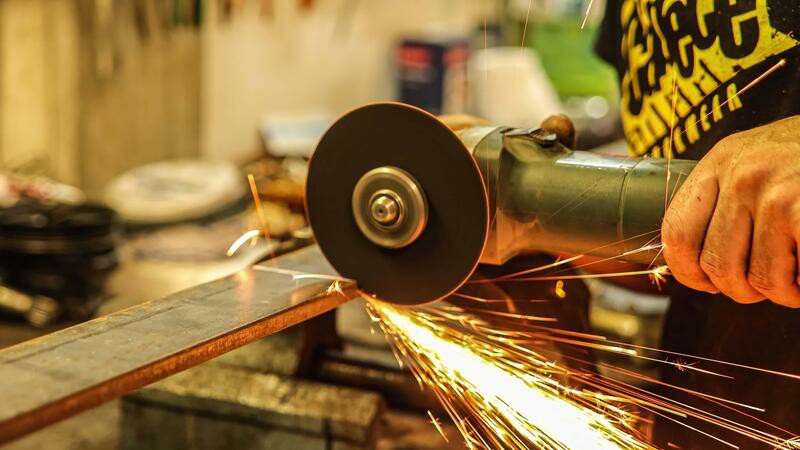
- Cutting Wheels: Designed for rapid material removal, cutting wheels are essential in metalwork and construction tasks. Their primary use includes cutting metals, masonry, and other solid materials.
- Grinding Wheels: These are utilized for smoothing or sharpening metal surfaces. Applications include tool sharpening, surface preparation, and rough machining of various metals.
- Polishing Wheels: Ideal for providing a fine finish on surfaces, polishing wheels are typically used in automotive detailing and finishing applications in industrial settings.
Abrasive Wheels Applications
Each type of abrasive wheel serves distinct purposes across various industries:
- Construction: Abrasive wheels are used for cutting rebar, grinding concrete, and other masonry work.
- Automotive: In garages, abrasive wheels assist in tasks such as removing rust, shaping metal, and polishing car parts.
- Manufacturing: Various processing stages in manufacturing utilize abrasive wheels for shaping and finishing components.
Specific Risks Associated with Abrasive Wheels
Despite their utility, abrasive wheels pose several risks if not handled properly:
- Wheel Breakage: Improper use, such as exceeding the recommended operational speed, can lead to catastrophic wheel failure.
- Overheating: Continuous usage without proper intervals can cause overheating, leading to a reduced lifespan and potential accidents.
- Improper Mounting: Incorrectly mounted wheels can detach during operation, posing significant danger to the operator and nearby personnel.
The Importance of Proper Training
To prevent accidents and promote safe practices when using abrasive wheels, proper training is imperative. Undertaking an Abrasive Wheels Training Course in locations like Dublin, Cork, Galway, Limerick, and Waterford not only equips workers with essential skills but also ensures compliance with Irish safety regulations. A certified course generally covers:
- Identification of various types of abrasive wheels and their specific uses.
- Proper techniques for handling and mounting abrasive wheels.
- Recognizing the signs of wear and tear, as well as the protocols for safe operation.
Enrolling in Abrasive Wheels Training
Businesses and individuals seeking to enhance workplace safety should consider enrolling in our Abrasive Wheels Course available in Dublin, Cork, Galway, Limerick, and Waterford. These certified programs provide essential training that helps prevent workplace accidents and ensures adherence to safety regulations.
Conclusion
In conclusion, understanding the different types of abrasive wheels, their applications, and the potential risks is crucial for anyone working in related industries. By investing in certified training, you not only prioritize safety but also contribute to a culture of responsibility in the workplace. For more information on courses available, contact us at [email protected].