Consequences of Failing to Comply with Working at Heights Safety Regulations in Ireland
In the construction industry and various other sectors, adhering to safety regulations is not just a guideline—it's a legal requirement. In Ireland, Working at Heights regulations are put in place to protect the lives of workers who operate at elevated levels. When businesses neglect these critical regulations, they open themselves up to a multitude of risks. This article delves into the potential legal penalties, financial losses, and reputational damage organizations may encounter by failing to comply with these essential safety standards.
The Importance of Compliance
Working at heights involves significant risks, including falls that can lead to severe injuries or fatalities. Therefore, compliance with safety regulations is critical. Not only is it a matter of employee safety, but it also impacts a company’s bottom line and public image.
Legal Penalties for Non-Compliance
Failing to adhere to Working at Heights regulations can lead to serious legal repercussions for companies. The Health and Safety Authority (HSA) in Ireland is responsible for enforcing these regulations. Below are some legal consequences businesses may face:
- Fines: Non-compliant companies can be subjected to hefty fines. These fines can range from thousands to hundreds of thousands of euros, depending on the severity of the violation.
- Prosecutions: In cases where non-compliance results in injury or death, criminal charges may be filed against the business or responsible individuals. Such prosecutions can result in long-term imprisonment in severe cases.
- Civil lawsuits: Victims of workplace accidents might pursue civil suits against employers, leading to additional costs in settlements, legal fees, and potential damages.
Real-World Example
Consider a construction firm that ignored safety guidelines while conducting roof repairs. A worker fell from an unprotected edge, resulting in severe injuries. The company faced a fine of €50,000 and legal fees surpassing €100,000 due to the subsequent lawsuit.
Financial Ramifications
The financial implications of non-compliance with Working at Heights Safety regulations can be dire. Apart from immediate fines and legal fees, businesses often encounter the following:
- Increased Insurance Costs: Non-compliance often leads to significantly increased premiums for insurance. Over time, these costs can accumulate, straining the financial resources of any business.
- Loss of Business: An organization’s reputation may suffer, leading to a loss of clients and contracts. Companies that fail to ensure their worker’s safety are often seen as unreliable.
- Worker Turnover: A poor safety record can lead to higher turnover rates, resulting in increased recruitment and training costs.
Case Study: The Toll of Non-Compliance
A facility in Dublin faced severe backlash when a contractor suffered an accident due to improper safety measures while working at heights. The incident not only led to an immediate shutdown of operations but also cost the company €250,000 in fines and lost contracts.
Reputational Damage
When it comes to safety, a strong reputation is crucial for any business. Failing to comply with safety regulations can have long-lasting effects:
- Brand Trust: Customers are less likely to engage with businesses known for safety violations, which can severely impact overall revenues.
- Negative Public Perception: Media coverage of accidents can skew public perception unfavorably, creating lasting damage to the company's brand identity.
- Difficulty in Recruitment: Companies known for frequent safety mishaps may struggle to attract quality talent, which can have a detrimental effect on growth.
Preventative Measures
To mitigate these risks, organizations must prioritize safety and compliance. Invest in Working at Heights Training for all employees managing tasks at elevated levels. A robust training program can significantly reduce the likelihood of accidents. Here are some measures for compliance:
- Certified Working at Heights Training: Ensure that all employees are certified through official training programs. Options are available for both onsite and Working at Heights Course Online.
- Regular Safety Audits: Schedule consistent audits of your safety protocols and practices to ensure compliance.
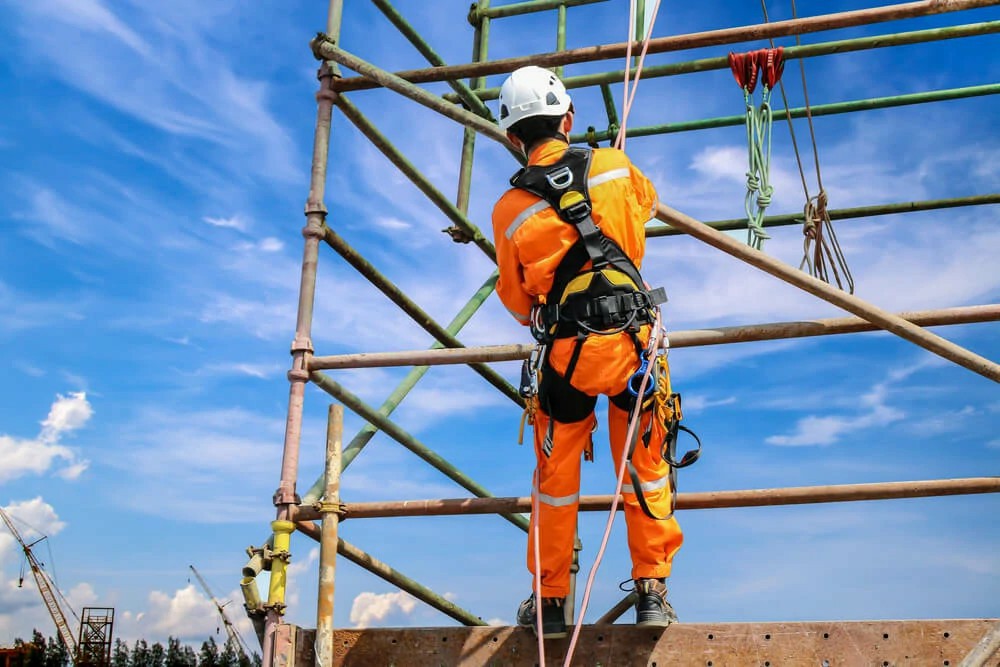
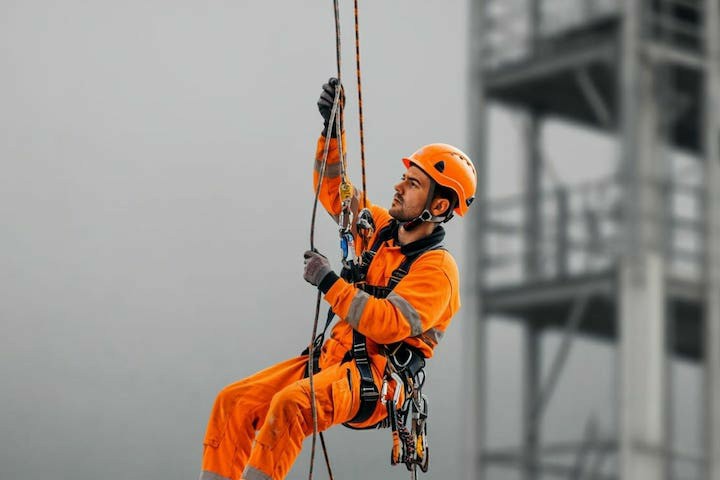
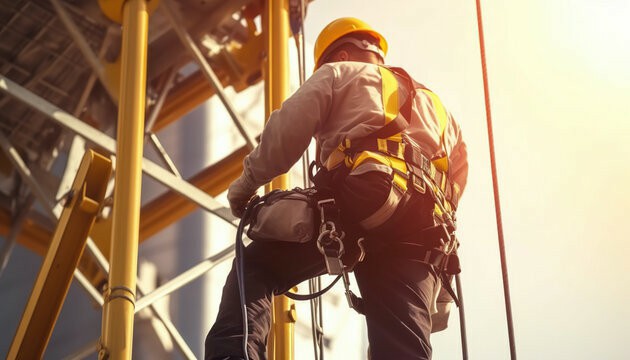
- Proper Equipment: Utilize verified safety equipment, including harnesses and guardrails.
Conclusion
Ignoring Working at Heights Safety Course regulations presents significant risks that can lead to legal troubles, financial losses, and reputational damage. Businesses must take proactive steps to ensure compliance through certified training and regular audits. Investing in Working at Heights Certification Ireland can protect workers and safeguard the organization from costly penalties. For more information on Working at Heights Training, visit our training page or contact us at [email protected].