Crucial Role of Emergency Rescue Planning in Working at Heights Safety Training
Working at heights presents numerous risks, and effective emergency rescue planning is a vital component in mitigating these hazards. In this blog post, we will delve into the significance of emergency rescue planning, explore self-rescue techniques, outline employer responsibilities, and detail essential emergency response procedures for workers engaged in elevated tasks.
Why Emergency Rescue Planning is Essential
The very nature of working at heights requires meticulous planning. Despite all safety measures, accidents can happen, making it imperative for workers and employers to prepare adequately. A robust emergency rescue plan not only ensures worker safety but can also save lives during critical situations.
Understanding the Risks
- Falls from heights are among the leading causes of workplace injuries and fatalities.
- Environmental hazards such as weather conditions can exacerbate risks.
- Equipment failure, lack of training, and negligence can contribute to accidents.
Mastering Self-Rescue Techniques
Self-rescue refers to the ability of a worker to safely remove themselves from a perilous situation without relying on external help. Workers trained in self-rescue are better equipped to act swiftly and effectively in emergencies.
Key Self-Rescue Techniques
- Personal Fall Arrest Systems (PFAS): Understanding how to use your harness and lanyard effectively is crucial. Workers should practice detaching and reattaching themselves to safe anchor points.
- Lowering Systems: Workers should be trained in the correct use of lowering devices to descend safely in the event of a fall.
- Emergency Descent: Techniques for controlled descent and landing must be practiced to ensure workers can navigate down safely.
Employer Responsibilities
Employers play a critical role in ensuring that their teams are prepared for emergencies while working at heights. Failing to provide adequate training and safety measures not only jeopardizes workers but can also result in significant legal repercussions.
Key Responsibilities of Employers
- Conduct Risk Assessments: Identify potential hazards associated with working at heights and develop strategies to mitigate these risks.
- Provide Training: Ensure all employees undergo Working at Heights Training, focusing on both safety and rescue techniques.
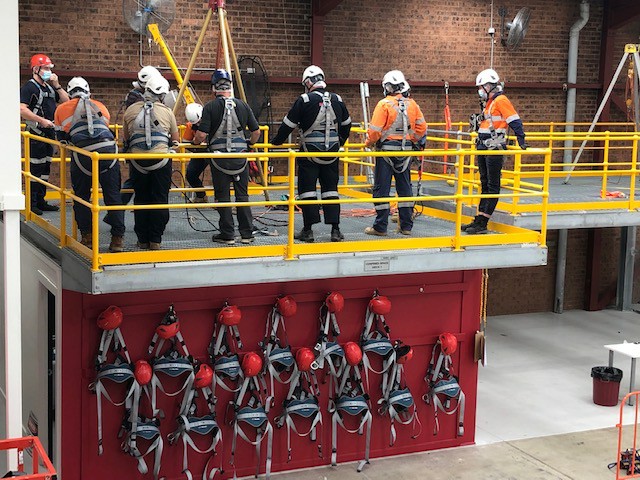
- Implement Emergency Plans: Develop clear and concise emergency response procedures and conduct regular drills to ensure readiness.
- Equip Workers: Provide appropriate personal protective equipment (PPE) and rescue equipment, along with training on proper usage.
Effective Emergency Response Procedures
Beyond self-rescue techniques, a comprehensive emergency response plan is essential for ensuring worker safety during incidents at height. Having established procedures can make a significant difference in outcomes.
Steps in a Successful Emergency Response
- Assessment: Quickly evaluate the situation to determine the best course of action.
- Alert Emergency Services: Contact on-site and external emergency services as necessary.
- Implement Rescue Procedures: Execute pre-established rescue protocols to assist the affected worker.
- Provide First Aid: Once the individual is rescued, administer appropriate first aid until professional help arrives.
- Review and Learn: After an incident, conduct a debriefing to assess the response and identifying areas for improvement.
Real-World Examples of Effective Emergency Rescues
Learning from past incidents can provide valuable insights into enhancing emergency rescue planning.
Case Study 1: ConstructionSite X
During a routine job, a worker fell while working on scaffolding. Thanks to their comprehensive emergency rescue plan, colleagues utilized self-rescue techniques taught during their Working at Heights Course and successfully used a lowering system to bring the worker down safely, preventing further injury.
Case Study 2: Telecom Tower Maintenance
A technician became stranded at the top of a telecom tower due to equipment failure. The emergency response team executed their training impeccably, implementing ascent and descent protocols that were rehearsed regularly, resulting in a safe recovery.
Conclusion: The Call to Action
Emergency rescue planning is a critical component of Working at Heights Safety that cannot be overlooked. As an employer, it is your responsibility to ensure that all workers are well-trained in self-rescue techniques and familiar with emergency response protocols. Incorporating emergency plans into your Working at Heights Safety Course will not only enhance safety but also boost worker confidence and preparedness.
If you're looking to improve your team's safety measures, consider enrolling in our certified courses today. For more information, contact us at [email protected].