Elevate Your Workplace Safety: The Importance of Manual Handling-First Training
Ensuring safety in healthcare settings is crucial for the well-being of patients and staff alike. Manual Handling-First training plays a vital role in equipping healthcare professionals such as nurses, doctors, and support staff with the skills necessary to perform manual tasks safely and effectively. This comprehensive guide will delve into the importance of manual handling-first training and its relevance to workplace safety in Ireland.
Understanding Manual Handling-First
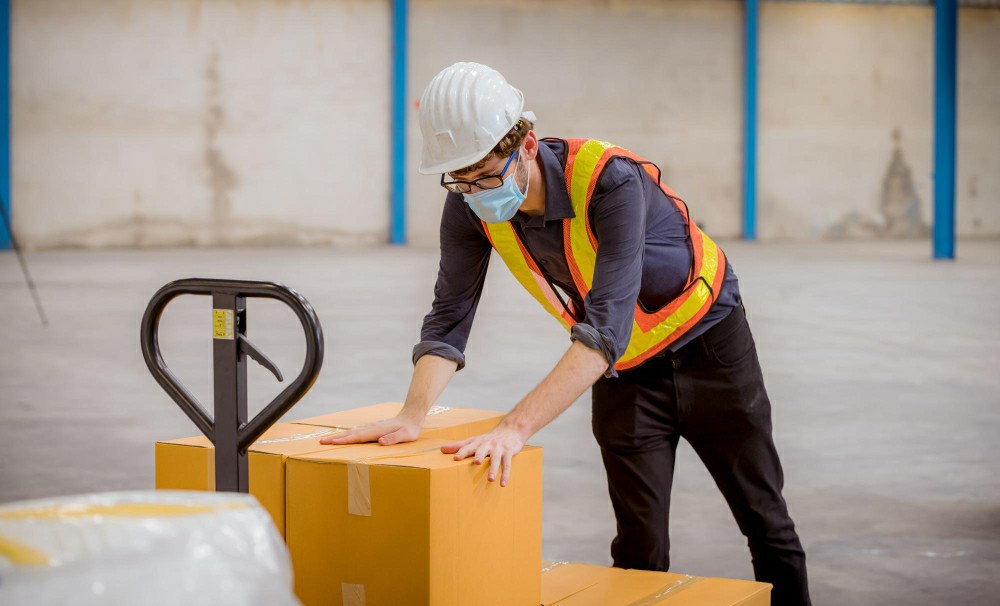
Manual handling encompasses a wide range of tasks that involve lifting, carrying, pushing, or pulling objects. For healthcare workers, these tasks can include lifting patients, moving equipment, and even handling medical supplies. The lack of proper training in manual handling techniques can result in serious injuries—not just for workers, but for patients as well.
The Goals of Manual Handling-First Training
- Educate staff on proper handling techniques
- Promote workplace safety
- Reduce the risk of injury
- Enhance patient care and worker confidence
Benefits of Manual Handling-First Training for Healthcare Workers
Manual Handling-First training offers a plethora of benefits that specifically cater to the dynamic nature of healthcare settings:
- Injury Prevention: Training reduces the likelihood of musculoskeletal injuries, which are common among healthcare professionals.
- Improved Patient Care: Proper skills ensure that patients are handled with care, improving their overall experience in healthcare settings.
- Compliance: Adhering to safety regulations is critical; certified training ensures compliance with health and safety legislation.
- Team Morale: Well-trained staff feel more confident in their abilities, enhancing overall workplace morale.
The Importance of Certification
Obtaining a Manual Handling-First Certification is crucial for healthcare workers. Not only does it provide them with recognized credentials, but it also reinforces their understanding of safe practices. Certification courses typically cover:
- Theory: Understanding the principles of safe manual handling.
- Risk Assessment: Learning how to identify and mitigate risks associated with manual tasks.
- Practical Techniques: Hands-on training to practice safe lifting and moving strategies.
Online Training Options: Flexibility for Busy Professionals
For healthcare professionals facing scheduling challenges, the option of an Online Manual Handling-First Course provides flexible training solutions. Online courses offer:
- Convenience to study at your own pace
- Accessibility from any location in Ireland, including cities like Dublin, Cork, and Galway
- Interactive content that can include videos and quizzes
Conclusion: Take the Step Towards Safety
Investing in Manual Handling-First Training is an investment in safety, compliance, and quality patient care. Whether you are a healthcare facility looking to upskill your team or an individual seeking Certified Manual Handling-First Training, prioritizing education in this field is essential.
For more information on how to enroll in a Manual Handling-First Course Online or to discuss tailored training for your team, please contact us at [email protected] or visit irish-manualhandling.ie.