Elevating Workplace Safety: The Role of Manual Handling Assessment Training in Ireland
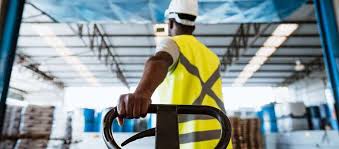
In any workplace where physical tasks are common, ensuring proper manual handling techniques is crucial for employee safety and productivity. Manual Handling Assessment Training equips workers with the skills necessary to handle loads safely, while assessments ensure they can apply these skills effectively. In this article, we delve into the significance of manual handling assessments in fostering a safer working environment across Ireland.
What is Manual Handling Assessment Training?
Manual Handling Assessment Training combines theoretical knowledge with practical exercises to teach employees the safest ways to lift, carry, push, and pull loads. This training program includes:
- Understanding the risks associated with manual handling.
- Learning techniques to minimize strain and avoid injuries.
- Applying assessments to evaluate manual handling skills.
The Importance of Assessments in Manual Handling Training
Assessments are a vital component of manual handling training, providing a structured way to evaluate employees' skills. Here are five reasons why assessments matter:
- Skill Evaluation: Assessments offer insights into an individual’s ability to perform manual handling tasks safely.
- Regulatory Compliance: Implementing assessments helps businesses meet legal obligations under health and safety regulations.
- Identifying Training Needs: Skills testing helps pinpoint areas where additional training may be required.
- Boosting Confidence: Employees who undergo assessments feel more secure in their abilities, leading to better performance.
- Creating a Safety Culture: Regular evaluations promote a culture of safety and awareness within the workplace.
Types of Manual Handling Assessments
In Ireland, various types of Manual Handling Assessments are utilized to cater to different workplace needs:
- Manual Handling Risk Assessment: Identifying and analyzing risks associated with manual handling tasks.
- Manual Handling Skills Assessment: Evaluating an employee’s proficiency in handling different types of loads.
- Manual Handling Safety Assessment: Ensuring safety protocols are adhered to during manual handling operations.
Benefits of Manual Handling Training with Assessment
Investing in Manual Handling Training with Assessment has numerous benefits for businesses and employees alike:
- Reduced Injury Rates: Proper training leads to fewer accidents and injuries, ultimately lowering healthcare costs.
- Enhanced Productivity: With the right techniques, employees can handle loads more efficiently, increasing overall productivity.
- Improved Employee Morale: A focus on safety fosters a positive work environment, boosting employee morale and retention.
- Cost-effective Solutions: Affordable training options, including online assessments, make it easier for businesses to implement safety measures.
Getting Certified: Manual Handling Assessment Certification
Upon successful completion of training and assessments, participants are eligible for Manual Handling Assessment Certification. This certification not only validates their skills but also signals a commitment to workplace safety.
Case Study: Manual Handling Assessment in Dublin
A recent case in Dublin highlighted the effectiveness of manual handling assessments in improving workplace safety. A local manufacturing company implemented a comprehensive training program, including assessments. Over six months, they reported a 50% decrease in manual handling-related injuries.
Conclusion
In summary, Manual Handling Assessment Training is vital for workplaces throughout Ireland striving to improve safety and compliance. Assessments play a crucial role in ensuring that employees can apply safe manual handling techniques effectively. For businesses looking to implement affordable and comprehensive training with assessments, contact us at [email protected], or visit our website at Irish Manual Handling.