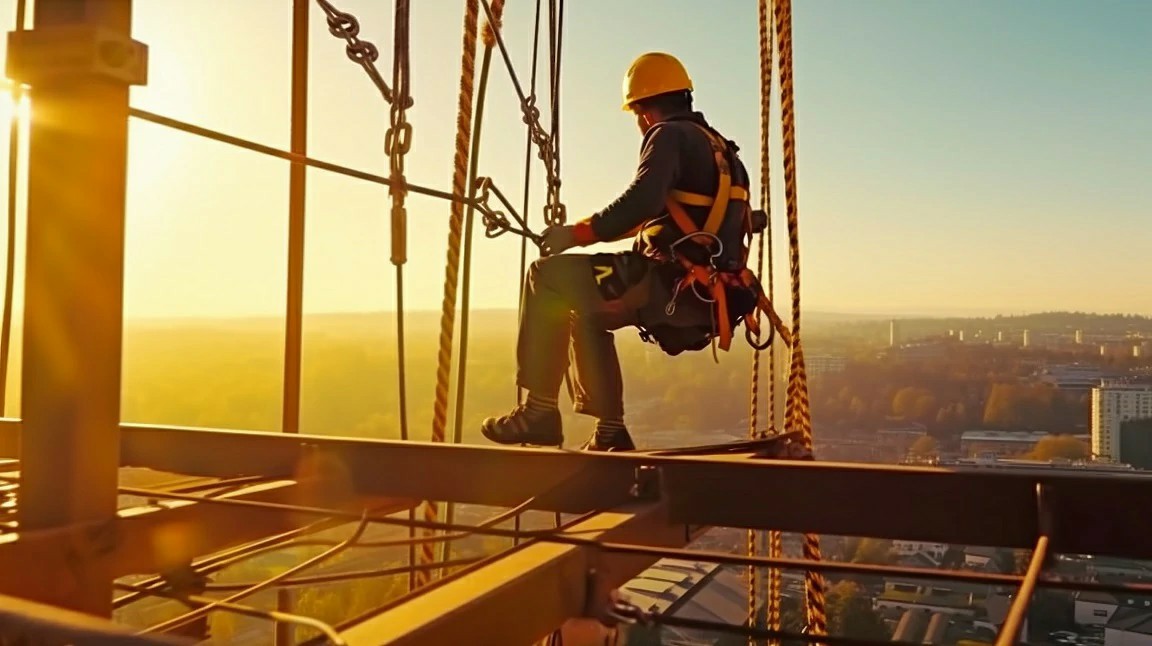
Emergency Rescue Planning: A Cornerstone of Working at Heights Safety Training
Working at heights presents unique challenges and risks that can lead to serious accidents. Effective emergency rescue planning is essential to minimize these risks and ensure the safety of workers. In this comprehensive guide, we will explore emergency rescue planning's vital role in Working at Heights safety training, covering self-rescue techniques, employer responsibilities, and effective emergency response procedures.
Why Emergency Rescue Planning is Critical
Every year, numerous accidents occur while working at heights, leading to injuries and fatalities. The unpredictability of accidents emphasizes the need for a robust emergency rescue plan. A well-defined rescue strategy not only protects workers but also enhances safety culture within organizations.
Key Components of an Effective Emergency Rescue Plan
- Identification of Hazards
- Self-Rescue Techniques
- Assisted Rescue Procedures
- Regular Training and Drills
- Communication Protocols
Self-Rescue Techniques
Self-rescue is a critical skill every worker should master when working at heights. It's the process where individuals are prepared to extract themselves from dangerous situations without outside help. Here are some essential methods:
- Using Fall Protection Equipment: Workers should familiarize themselves with harness systems, lanyards, and descending devices. Proper training in the use of this equipment can facilitate quick self-rescue.
- Plan Your Descent: Always have a clear plan for how to return to safety, whether it's climbing to a safe level or using designated rescue systems.
- Physical Conditioning: Maintaining good physical condition can enhance workers' ability to rescue themselves effectively in emergencies.
Employer Responsibilities in Emergency Rescue Planning
Employers play a pivotal role in ensuring the safety of their workers. Their responsibilities include:
- Training and Certification: Employers must ensure that all workers undergo Working at Heights Certification to learn essential safety practices and emergency procedures.
- Implementation of Rescue Plans: Create and communicate clear emergency response protocols that detail the steps to take if an accident occurs.
- Provision of Appropriate Equipment: Ensure that the necessary equipment for rescue operations is readily available, including rescue kits and First Aid supplies.
Emergency Response Procedures
A well-coordinated emergency response is crucial when an incident occurs. Here’s how to develop effective emergency response procedures:
- Establish clear communication channels: Every worker should know who to contact in case of an emergency and how to reach them.
- Conduct Regular Drill Exercises: Hold regular emergency drills to ensure all workers are prepared for real-life scenarios.
- Post Emergency Contact Information: Clearly display contact details for emergency services and designated individuals in visible locations.
Case Study: Successful Emergency Rescue Planning
A notable example of effective emergency rescue planning took place at a construction site in Dublin. After a worker fell while performing maintenance at significant height, a well-rehearsed emergency response team quickly implemented the rescue plan. Curious onlookers watched as the crew utilized their training, efficiently using a rescue harness system to safely bring the worker to the ground. The quick thinking and planning ensured the worker received prompt medical attention and highlighted how essential emergency preparation is in high-risk environments.
Conclusion
Emergency rescue planning plays a pivotal role in ensuring safety when working at heights. By mastering self-rescue techniques, understanding employer responsibilities, and establishing effective emergency response procedures, organizations can create a safer working environment for all employees. Emphasizing the importance of ongoing training, including Working at Heights Training, is essential for fostering a culture of safety. For more information about working at heights safety and training, reach out to us at [email protected].