


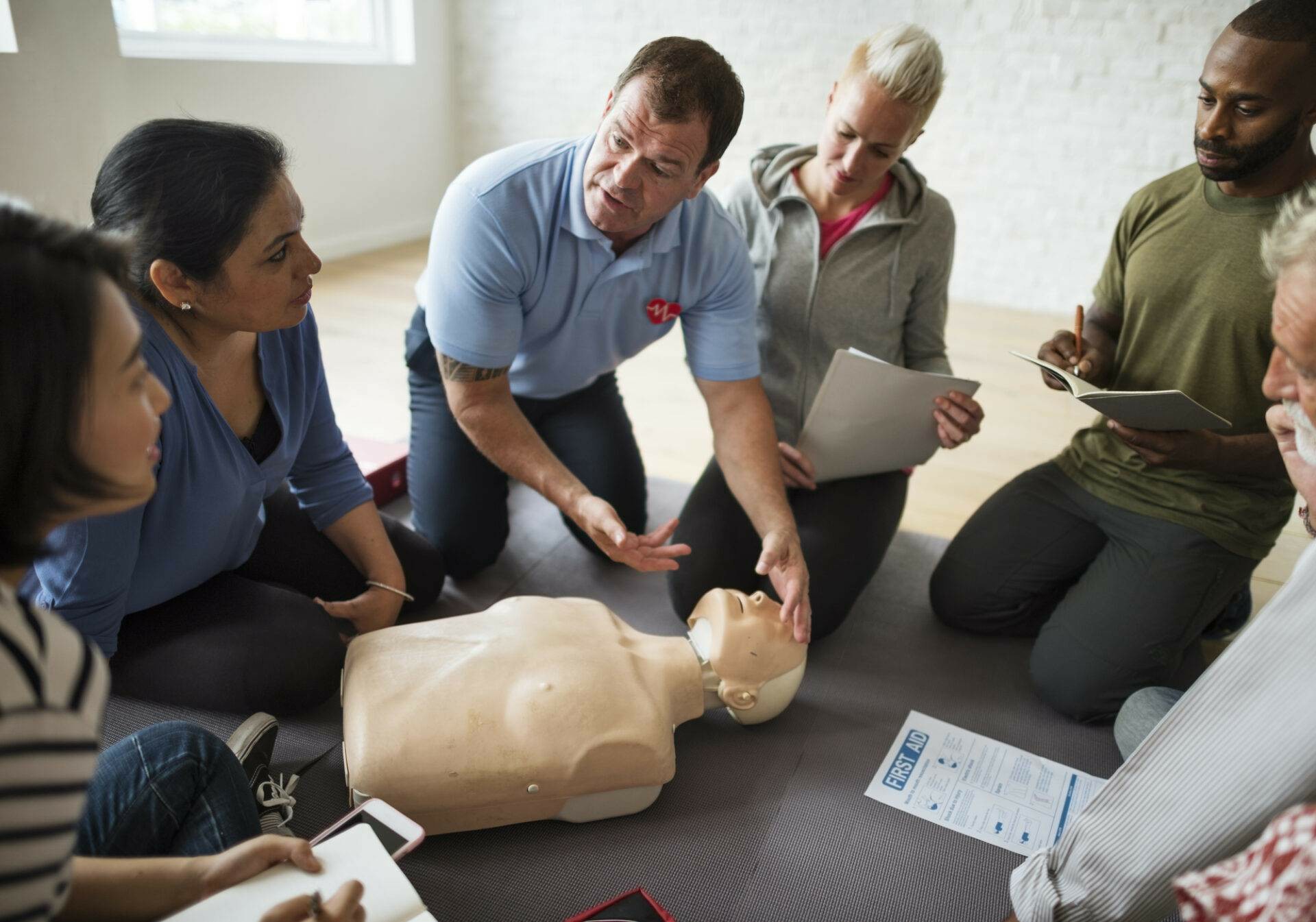
Empower Your Workforce: The Crucial Role of First Aid and CPR Training
In today’s fast-paced work environment, ensuring the safety and well-being of employees is not just a legal obligation; it’s a moral responsibility. First Aid and CPR training is essential in preparing your team for unexpected emergencies. Regardless of your industry, having employees trained in First Aid response, CPR techniques, and emergency medical response can make all the difference in critical situations. In this blog post, we will delve into the importance of First Aid Training and how it can shape a safer, more responsive workplace.
The Value of First Aid Certification for Employers and Employees
Completing a First Aid Course or earning a First Aid Certification not only equips employees with life-saving skills but also enhances their confidence in addressing workplace injuries and emergencies. As a business owner or HR professional, understanding the multifaceted benefits of this training is vital.
- Enhanced Employee Preparedness: With First Aid certification, your employees will be well-prepared to handle medical emergencies, reduce reaction time, and potentially save lives.
- Boosting Workplace Morale: Employees feel empowered when they are equipped with the skills to help their colleagues in need. This fosters a culture of care and compassion.
- Legal Compliance: Many jurisdictions mandate specific Workplace First Aid Requirements. Being compliant reduces legal risks and promotes a safer working environment.
Critical CPR Techniques Every Workplace Should Implement
CPR (Cardiopulmonary Resuscitation) is a critical skill that every employee should master. It is often the difference between life and death in cardiac emergencies.
CPR techniques encompass several key steps:
- Check Responsiveness: Assess whether the person is responsive and breathing.
- Call for Emergency Services: Ensure that professional medical help is underway.
- Chest Compressions: Perform hard and fast chest compressions at a rate of 100 to 120 compressions per minute.
- Rescue Breaths: If trained, provide rescue breaths after every 30 compressions.
Navigating Workplace Health and Safety Regulations through Effective First Aid Compliance
Understanding and navigating the intricate web of workplace health and safety regulations can be overwhelming. First Aid & CPR training helps businesses align with these regulations, ultimately reducing potential liabilities. Compliance strategies include:
- Regular Training Updates: Ensure that the staff undergoes regular training to keep their skills up-to-date.
- First Aid Kits and Equipment: Maintain fully stocked and accessible first aid kits at various locations in the workplace.
- Emergency Response Plans: Establish clear workplace emergency procedures that include trained First Aid responders.
Immediate Response: Essential Emergency First Aid Procedures
An effective response can mitigate the severity of injuries. Key Emergency First Aid Skills that every workplace should implement include:
- Wound Care: Proper management of cuts, scrapes, and puncture wounds to prevent infection.
- Burn Treatment: Understanding how to treat burns effectively while waiting for help.
- Choking Response: Recognizing choking emergencies and performing the Heimlich maneuver.
Selecting the Ideal First Aid Training for Your Workplace
Choosing the right First Aid Course can be daunting. Factors to consider include:
- Course Content: Ensure the course covers essential skills and procedures relevant to your industry.
- Instructor Qualifications: Verify that trainers have credible certifications and extensive experience.
- Flexibility: Look for options such as Online First Aid Courses to accommodate varying schedules.
Comparing Online and In-Person First Aid Training Options
With technology advancing, many organizations now opt for online First Aid Training options. Here’s a comparison:
- Convenience: Online courses provide flexible learning and can fit into busy schedules.
- In-Person Engagement: Hands-on training allows for real-time practice and immediate feedback from instructors.
For comprehensive training, a blended approach could offer the best of both worlds, ensuring thorough skill acquisition.
Conclusion & Call to Action
Investing in First Aid and CPR training is not merely a safety precaution; it's an investment in your workforce's well-being and confidence in handling emergencies. Equip your employees with the skills and knowledge they need to respond appropriately in emergencies.
Don’t wait for an emergency to realize the importance of First Aid training. Enroll your team in a certified First Aid & CPR training course today!
For more information, contact us at [email protected].



































