Empower Your Workforce: The Essential Role of First Aid and CPR Training in the Workplace
Introduction: In today’s fast-paced work environment, safety must be a top priority. Understanding the significance of First Aid and CPR training is crucial for fostering a secure workplace. Not only does effective training prepare employees for emergencies, but it also cultivates a culture of safety and compliance.
The Value of First Aid Certification for Employers and Employees
First Aid certification is more than a checkbox on a compliance list; it’s a vital asset to any organization. When employees receive training, they are equipped with essential life-saving skills that can minimize the consequences of workplace incidents:
- Enhanced Preparedness: Trained employees can quickly assess situations, provide aid, and make informed decisions during emergencies.
- Reduced Risk of Injuries: Knowledgeable employees are less likely to let injuries escalate, which can lead to quicker recovery and fewer long-term health issues.
- Increased Confidence: Employees trained in First Aid and CPR are more confident in handling emergencies, leading to a proactive safety attitude in the workplace.
Critical CPR Techniques Every Workplace Should Implement
One of the most critical components of First Aid and CPR training is the ability to perform CPR effectively. Key techniques include:
- Chest Compressions: Essential for maintaining blood flow to the heart and brain when someone is unresponsive.
- Rescue Breaths: Combined with chest compressions for adults, these breaths are crucial in cases of respiratory failure.
- Use of Automated External Defibrillators (AEDs): Understanding how to use an AED properly can significantly increase the chances of survival in cardiac emergencies.
Navigating Workplace Health and Safety Regulations through Effective First Aid Compliance
Compliance with health and safety regulations is not only a legal requirement but also an ethical responsibility for employers. Investing in First Aid training ensures that your organization meets workplace safety standards. Regulations often specify:
- Having a designated number of trained First Aid responders based on your workforce size.
- Ensuring access to necessary First Aid supplies and equipment.
- Regularly updating and refreshing training to accommodate changes in best practices.
Immediate Response: Essential Emergency First Aid Procedures
Knowing how to respond in emergencies can save lives. Employees trained in First Aid can:
- Provide care for cuts, burns, and sprains.
- Recognize the signs of a medical emergency, such as strokes or heart attacks.
- Manage the situation until emergency services arrive, ensuring safety and care for the afflicted individual.
Selecting the Ideal First Aid Training for Your Workplace
Choosing the right training program is essential for maximizing your training investments. Consider:
- Target Audience: Identify whether the course should cater to general staff or specific roles that may require advanced training.
- Course Format: Evaluate if an Online First Aid Course or in-person training fits better with your employees' schedules.
- Certification: Ensure the training offered leads to recognized certifications such as CPR & First Aid Certification.
Comparing Online and In-Person First Aid Training Options
When it comes to selecting the format of your training program, both online and in-person options come with unique benefits:
- Online First Aid Courses: Flexible scheduling and the ability to learn at your own pace make online courses appealing for busy employees.
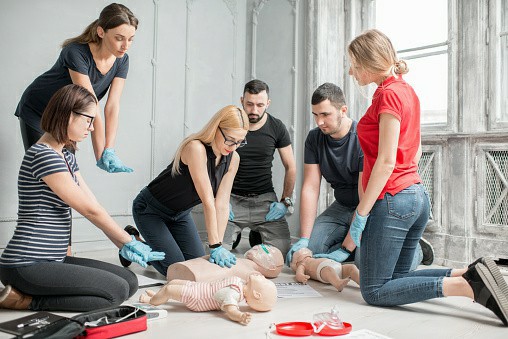
- In-Person Training: Provides hands-on experience with equipment and a chance to ask trainers questions, fostering deeper understanding.
Conclusion & Call to Action
In conclusion, investing in First Aid and CPR training is essential for workplace safety, employee preparedness, and compliance with health regulations. Empower your workforce with critical skills that can make all the difference in an emergency. Enroll your team today in an accredited First Aid & CPR training course to build a safety-focused workplace culture.
Contact us: For more information or to inquire about training options, reach out to us at [email protected].