Empower Your Workforce: The Indispensable Value of First Aid and CPR Certification in Ireland
In today’s fast-paced work environment, the safety of employees should always be a top priority. Obtaining First Aid and CPR Certification is no longer just a recommendation for businesses in Ireland; it's an essential need. This blog delves into the significant benefits of completing a comprehensive First Aid Training Course and highlights how it empowers organizations across major cities like Dublin, Cork, Galway, Limerick, and Waterford to effectively handle emergency medical situations.
Why First Aid and CPR Certification Matters
First Aid and CPR training equips employees with the crucial skills needed to respond swiftly and effectively in emergencies. With proper training, staff can:
- Stabilize a colleague or client until professional help arrives.
- Reduce injury severity and potentially save lives.
- Serve as first responders in workplace incidents.
Effective emergency medical response begins with prepared and knowledgeable employees.
Essential CPR Procedures and Emergency Medical Response Skills
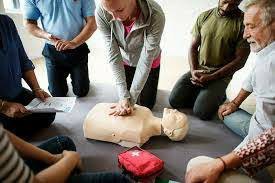
Cardiopulmonary resuscitation (CPR) is a life-saving skill every employee should master. Proper CPR techniques can double or triple a victim’s chance of survival following cardiac arrest. This includes:
- Recognizing cardiac arrest symptoms.
- Performing chest compressions effectively.
- Utilizing automated external defibrillators (AEDs) when necessary.
Emergency medical response extends beyond CPR; training also covers:
- Managing choking incidents.
- Administering basic first aid for cuts and injuries.
- Understanding when to contact emergency services.
Accident Prevention and Safety Culture in the Workplace
Implementing a robust first aid program can drastically reduce workplace injuries. Training can:
- Foster a safety-first mentality among employees.
- Teach risk assessment and hazard identification.
- Create an atmosphere where health and safety are openly discussed.
By prioritizing First Aid and CPR Training, businesses not only meet workplace safety requirements but also enhance employee morale and confidence.
Compliance with Health and Safety Regulations in Ireland
In Ireland, employers are required to ensure the health and safety of their employees under the Safety, Health and Welfare at Work Act. Achieving and maintaining First Aid compliance involves:
- Ensuring adequate First Aid provisions are in place based on workplace risk assessments.
- Designating qualified first aiders in your organization.
- Staying updated with relevant regulations and best practices.
Organizations that prioritize compliance not only protect their workforce but also avoid legal ramifications.
The Practical Advantages of First Aid Certification
The benefits of First Aid Certification in Ireland extend beyond compliance:
- Enhanced Customer Confidence: Customers feel safer interacting with well-prepared employees.
- Reduced Insurance Costs: Companies may see lower premiums by demonstrating a commitment to safety.
- Improved Team Dynamics: Training fosters teamwork and a sense of community within the workplace.
Choosing the Right First Aid Course: Online vs. In-Person Training
With the rise of digital learning, businesses can choose between online First Aid courses or traditional in-person training. Each method has its benefits:
- Online Training: Flexible, affordable, and accessible; employees can complete it at their own pace.
- In-Person Training: Offers hands-on practice and immediate feedback from instructors.
Depending on your organization’s needs, combining both formats could maximize learning outcomes.
Conclusion: Taking Action Towards a Safer Workplace
Investing in First Aid and CPR training is an investment in the safety and well-being of your workforce. Not only does it comply with health regulations, but it also prepares your employees to respond effectively during emergencies. Equip your organization with the emergency skills you need; enroll in an accredited First Aid Training Course today and ensure a safer workplace for everyone.
For more information on our training programs, contact us at [email protected].