Empower Your Workforce: The Lifesaving Impact of First Aid & CPR Training
In today's fast-paced world, emergencies can happen at any time. Whether in the workplace, at home, or in public spaces, having the knowledge and skills to respond effectively can make all the difference. Comprehensive First Aid and CPR training is not just a requirement; it is a critical investment in safety, compliance, and peace of mind. Let's explore the essential importance and key benefits of completing a First Aid and CPR training course.
The Importance of First Aid and CPR Training
Every business and organization has a responsibility to ensure the safety of its employees and clients. First Aid and CPR training equips individuals with the skills to handle emergencies such as cardiac arrests, choking, injuries, and other medical crises. Here are some vital reasons why First Aid certification matters:
- Swift Response to Emergencies: With proper training, individuals can act quickly and effectively when every second counts.
- Increased Confidence and Preparedness: Training empowers employees to handle medical emergencies without hesitation.
- Reduction in Severity of Injuries: Immediate care can prevent injuries from worsening and potentially save lives.
Critical First Aid Skills Every Workplace Should Implement
There are vital First Aid skills that every employee should be familiar with, including:
- Basic Life Support (BLS): Understanding how to perform CPR, use an AED, and manage breathing emergencies.
- Wound Care: Proper techniques for cleaning and dressing wounds to prevent infection.
- Choking Relief Techniques: Learning how to assist someone choking can save lives.
- Managing Shock: Recognizing and treating shock calmly to stabilize affected individuals.
Understanding CPR: Essential Techniques for Workplace Emergencies
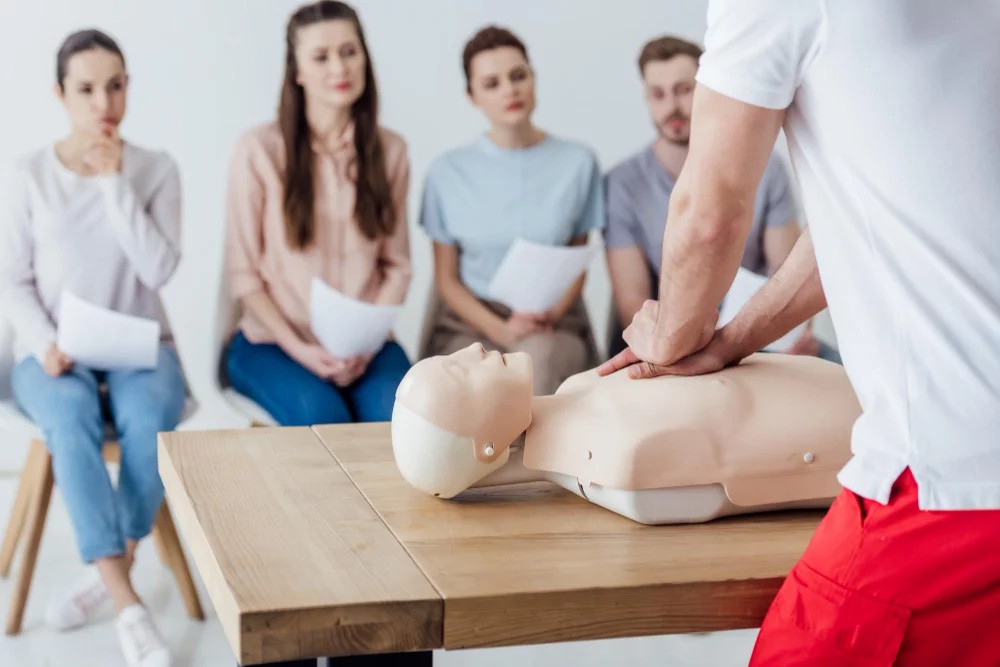
Cardiopulmonary resuscitation (CPR) is one of the most crucial skills taught during First Aid training. Knowledge of effective CPR techniques can dramatically increase survival rates for cardiac arrest victims. Key components include:
- Call for Help: Always start by calling emergency services.
- Compressions: Performing high-quality chest compressions at the right depth and speed.
- Rescue Breaths: If trained, providing rescue breaths can make a significant difference.
How First Aid Certification Ensures Workplace Health & Safety Compliance
Many industries have strict regulations regarding health and safety. Ensuring that employees are First Aid certified not only promotes a safer workplace, but also helps organizations comply with health and safety regulations. Fulfilling legal requirements can:
- Reduce Liability: A certified workforce minimizes the risk of legal issues arising from workplace injuries.
- Boost Employee Morale: Employees feel cared for when their safety is prioritized.
- Enhance Reputation: A commitment to safety reflects positively on your organization.
Emergency First Aid Procedures: Step-by-Step Guide for Immediate Action
In an emergency, knowing the correct procedures can save precious time. Here is a brief overview of essential emergency First Aid procedures:
- Assess the Situation: Ensure your own safety first, then check the scene for dangers.
- Call for Help: Don’t hesitate to contact emergency services if needed.
- Provide Care: Use your trained skills to aid the injured individual until help arrives.
- Follow Up: Ensure the individual receives further medical assistance if necessary.
Choosing the Best First Aid Training Course for Your Employees
Selecting a reputable First Aid training provider is vital. Look for courses that provide:
- Hands-On Training: Practical skills practice ensures better retention.
- Experienced Instructors: Qualified trainers are essential for effective learning.
- Comprehensive Content: A well-rounded course covers various scenarios and skills.
Advantages of Online First Aid and CPR Training for Busy Teams
Online courses provide flexibility for teams with varying schedules. Benefits of online First Aid training include:
- Convenient Access: Employees can learn at their own pace from any location.
- Cost-Effective: Online courses often reduce the costs associated with in-person training.
- Up-to-Date Information: Online resources can be regularly updated to reflect current best practices.
Conclusion & Call to Action
In conclusion, the importance of First Aid and CPR training cannot be overstated. By investing in these life-saving skills, you empower your workforce and enhance overall workplace safety and compliance. Don't wait for an emergency to recognize the value of preparedness. Enroll in a certified First Aid and CPR training course today and equip your team to respond confidently to any crisis.
For more information on First Aid courses available, visit our training page or contact us at [email protected].