Empower Your Workforce: The Unmatched Benefits of First Aid & CPR Training
In a world where emergencies can strike without warning, being prepared is not just beneficial; it’s essential. First Aid and CPR training equips individuals with crucial skills that can be the difference between life and death. Whether you are a business owner, HR professional, healthcare provider, or an employee, understanding the importance of First Aid training and achieving certification can significantly elevate your workplace safety and compliance standards.
The Importance of First Aid and CPR Training for Safety and Emergency Preparedness
Every year, countless injuries occur in various environments—offices, workshops, and even healthcare facilities. The ability to provide immediate assistance in these moments can prevent complications or fatalities. This is where a comprehensive First Aid Course comes into play.
Key Benefits of Completing a First Aid Certification Course
- Enhanced Emergency Response: Individuals equipped with First Aid and CPR knowledge can act decisively in emergencies. From treating a wound to performing life-saving CPR, these skills are vital.
- Increased Workplace Safety: When employers invest in training their staff, they foster a safer work environment. This not only minimizes potential health risks but also boosts employee confidence.
- Compliance with Health and Safety Regulations: Many regions require businesses to comply with workplace safety laws, which include providing First Aid training. Certification ensures compliance and protects organizations from potential legal repercussions.
- Empowered Employees: Employees who undergo Emergency First Aid Training feel more empowered and capable in their roles, knowing they are prepared to handle emergencies that may arise.
Critical First Aid Skills Every Workplace Should Implement
Understanding basic emergency responses is crucial. Some essential skills covered in First Aid training include:
- Recognizing Emergencies: Knowing when to act and when to call for professional help is critical.
- Basic First Aid Procedures: This includes how to treat cuts, burns, choking, and fractures.
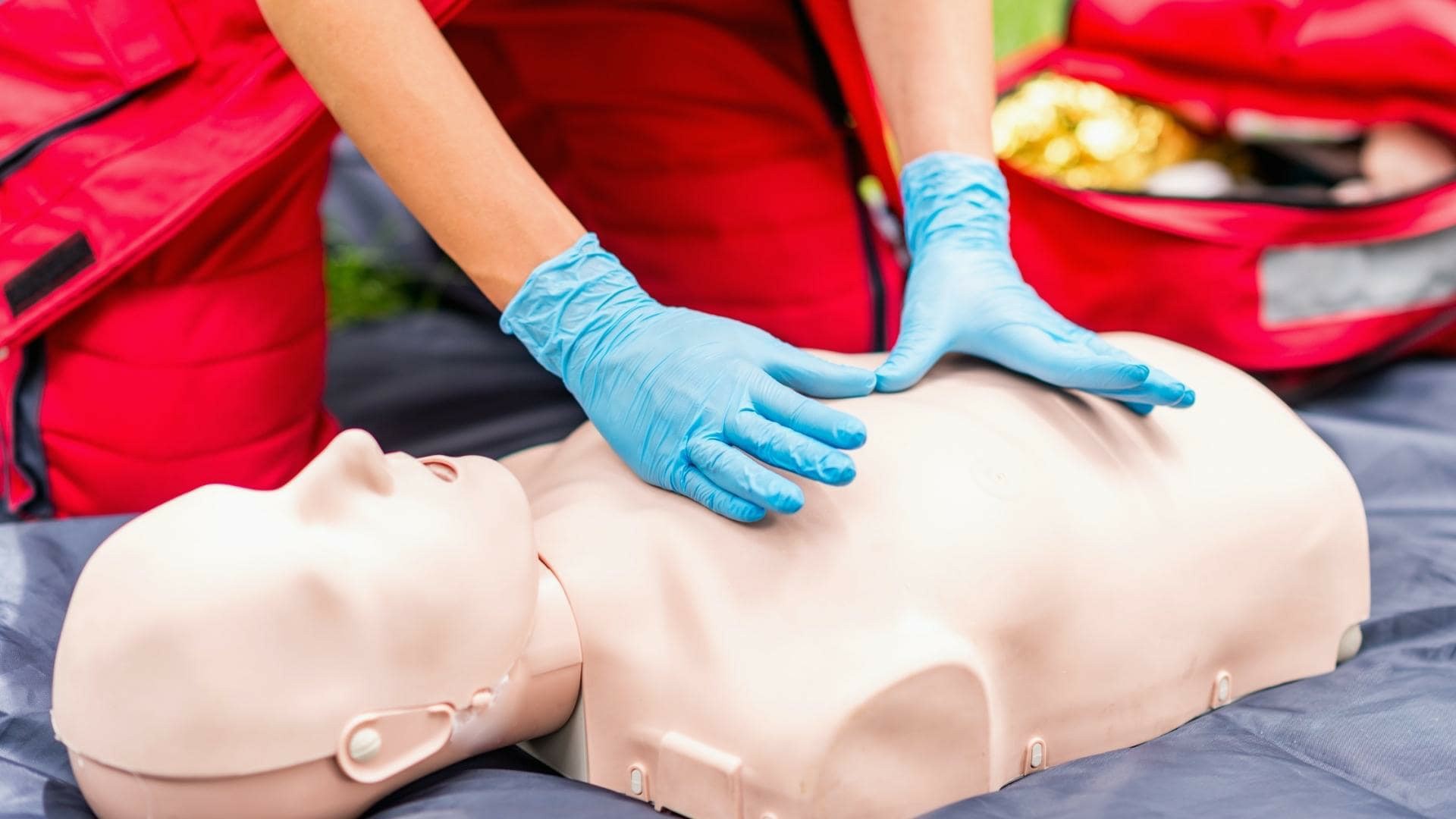
- CPR Techniques: Learning how to administer CPR effectively can save lives in critical situations.
- Using an AED: Understanding and utilizing an Automated External Defibrillator is crucial during cardiac emergencies.
Understanding CPR: Essential Techniques for Workplace Emergencies
CPR (Cardiopulmonary Resuscitation) is perhaps one of the most critical skills learned in a First Aid course. CPR techniques include:
- Chest Compressions: The key to effective CPR, ensuring blood circulates to vital organs.
- Rescue Breaths: Knowing how to provide rescue breaths can be critical for victims who are not breathing.
- Use of AEDs: CPR training often includes training on using AEDs, which can restore normal heart rhythm in a collapse.
How First Aid Certification Ensures Workplace Health & Safety Compliance
Compliance with workplace health and safety regulations is crucial for any organization. First Aid certification serves multiple purposes:
- Meets Legal Requirements: Employers must adhere to local regulations that stipulate First Aid provisions and trained personnel.
- Reduces Liability: Having trained staff lowers the risk of workplace injuries and potential lawsuits.
- Promotes Safety Culture: Encouraging staff to engage in safety training fosters a culture of awareness and responsibility.
Emergency First Aid Procedures: Step-by-Step Guide for Immediate Action
In emergencies, knowing the appropriate action can save lives. Here are some general steps to follow:
- Assess the Scene: Ensure safety for yourself and others.
- Check Responsiveness: Determine if the victim is conscious.
- Call for Help: Dial emergency services if necessary.
- Administer First Aid: Provide care based on your training.
Choosing the Best First Aid Training Course for Your Employees
Selecting a training program should consider the following:
- Certification Validity: Ensure the course provides a recognized certification.
- Course Content: Check that the curriculum covers essential topics like CPR, AED use, and injury management.
- Delivery Method: Decide between in-person or online First Aid courses based on your team’s availability and learning preferences.
Advantages of Online First Aid and CPR Training for Busy Teams
Online courses offer flexibility that traditional training may not provide. Some advantages include:
- Flexible Scheduling: Employees can complete training at their convenience.
- Cost-Effectiveness: Online courses often reduce overhead costs associated with in-person training.
- Accessible Resources: Online courses come with materials that can be revisited as needed.
Conclusion & Call to Action
In conclusion, investing in First Aid and CPR training not only ensures compliance with health and safety regulations but also empowers employees with the skills and confidence needed to respond to emergencies effectively. Are you ready to enhance the safety and preparedness of your workplace? Enroll in our comprehensive First Aid & CPR training course today and take the first step towards a safer environment.
If you have questions or need additional information, feel free to contact us at [email protected].