Empower Your Workplace: The Vital Role of First Aid and CPR Training for Employees
In today's fast-paced work environment, the safety and well-being of employees are paramount. Accidents can happen anywhere, and without the right training, the consequences can be dire. This is where First Aid and CPR training becomes essential. Not only does it enhance workplace safety, but it also prepares employees to respond effectively in emergencies. In this comprehensive guide, we will delve into the critical importance of First Aid and CPR certification, the benefits it brings to your organization, and how training can meet health and safety regulations.
The Significance of First Aid and CPR Training in Workplace Safety
First Aid and CPR training provides employees with the skills necessary to respond to medical emergencies, ensuring a safer working environment. Key aspects include:
- Immediate Response: Fast action can save lives. Trained employees can provide critical interventions in emergencies, reducing response times.
- Confidence Boost: Knowledge empowers employees. With First Aid certification, staff feel more secure and capable, knowing they can handle a crisis.
- Team Cohesion: Training fosters teamwork and communication, creating a culture of preparedness and collaboration.
Key Benefits of First Aid Certification for Your Business and Employees
Investing in First Aid and CPR training yields numerous benefits:
- Reduction in Workplace Incidents: Training equips employees to identify hazards and prevent accidents before they occur.
- Health and Safety Compliance: Meeting local regulations enhances your organization's credibility and protects against liabilities.
- Increased Employee Loyalty: Demonstrating care for employee safety fosters loyalty and improves morale.
Critical CPR Techniques Every Workplace Should Master
CPR (Cardiopulmonary Resuscitation) is one of the most crucial skills to learn. Key techniques include:
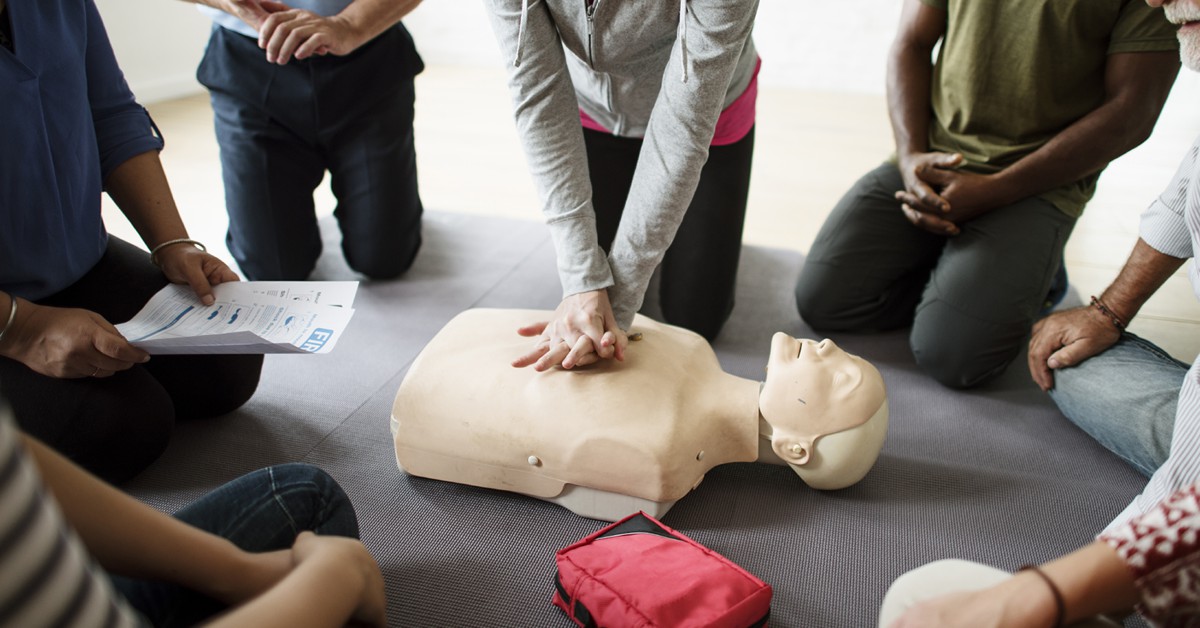
- Chest Compressions: Effective compressions can double or triple the chances of survival. Training helps employees learn the correct depth and rate.
- Rescue Breaths: Combined with chest compressions, rescue breaths increase oxygenation, vital for a victim's recovery.
- Use of an AED: Employees should be familiar with Automated External Defibrillators (AEDs), as they can deliver life-saving shocks to restore normal heart rhythm.
Meeting Health and Safety Regulations through Effective First Aid Compliance
Many regions have strict regulations about workplace safety and First Aid training. Ensuring compliance helps avoid fines and legal issues. Here’s how:
- Documentation: Maintain accurate records of training sessions and certifications.
- Regular Training: Implement ongoing training to keep skills fresh and meet evolving legal requirements.
- Emergency Plans: Create and communicate clear emergency response protocols that align with training.
Immediate Action: Essential Workplace Emergency First Aid Procedures
Knowing what to do in an emergency can make all the difference. Some essential procedures include:
- Assess the Situation: Check for hazards and ensure it's safe to approach the victim.
- Call for Help: Always contact emergency services for serious injuries.
- Provide Care: Administer First Aid as per training until professional help arrives.
Selecting the Right First Aid Course for Your Business Needs
With various options available, choosing the right First Aid course is crucial. Consider the following:
- Reputation: Look for courses approved by established organizations.
- Course Content: Ensure it covers relevant skills such as CPR, use of an AED, and scenario-based training.
- Format: Decide between in-person training or online courses based on your team’s needs and availability.
Comparing Online and Traditional First Aid Training Options
Both online and traditional First Aid training have unique advantages:
- Online First Aid Courses: Flexible, convenient, and accessible, these courses allow employees to learn at their own pace.
- Traditional Courses: Hands-on training provides practical experience and immediate feedback from instructors.
Conclusion & Call to Action
Enhancing workplace safety through First Aid and CPR training is not just a legal requirement; it’s a moral imperative. By investing in First Aid certification for your employees, you’re equipping them with crucial life-saving skills while fostering a culture of safety within your organization. Don’t wait until it’s too late—enroll your team in a reliable First Aid & CPR training course today!
Learn more about our First Aid courses or contact us at [email protected].