Empowering Irish Workplaces: The Crucial Need for First Aid & CPR Certification
Introduction: The Importance of First Aid and CPR Certification in Irish Workplaces
In a world where emergencies can happen at any moment, having employees certified in First Aid and CPR is not just a legal requirement but a moral obligation. This training equips staff in Dublin, Cork, Galway, Limerick, and Waterford to effectively respond to medical emergencies, thus ensuring a safer work environment. More than a set of skills, First Aid and CPR certification embodies responsibility and readiness in handling unforeseen accidents and health crises.
Critical CPR and Emergency Response Skills for Employees
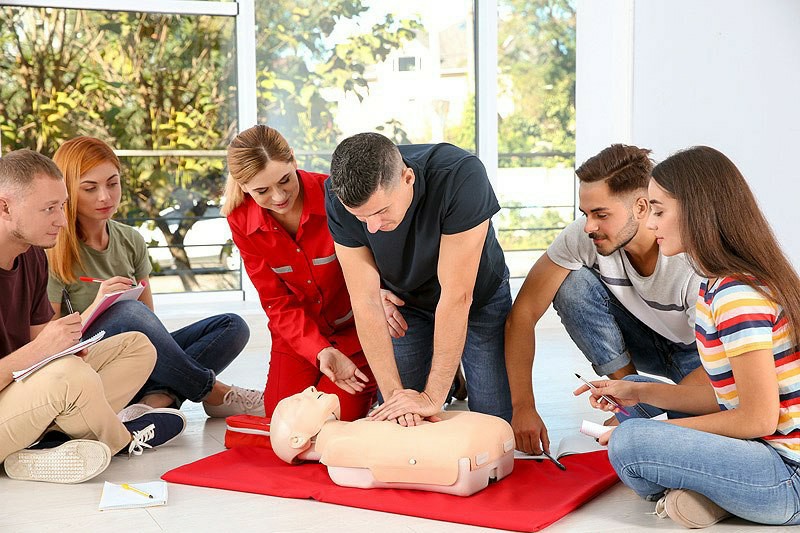
CPR & First Aid training empowers employees with the knowledge of essential CPR techniques, including:
- Recognizing Cardiac Arrest: Understanding the signs can save lives.
- Performing High-Quality Compressions: Maintaining blood circulation until professional help arrives.
- Using an AED (Automated External Defibrillator): Learning how to operate an AED can increase survival rates significantly.
These skills are vital not just in the workplace but also enhance the overall safety in the community.
Understanding and Complying with Irish Workplace First Aid Regulations
Under Irish law, employers are required to provide adequate First Aid training to employees. This compliance ensures that everyone is prepared for emergencies, minimizing potential liabilities and protecting the health of employees. The Health and Safety Authority (HSA) outlines clear workplace health and safety requirements regarding first aid, including having trained personnel readily available, appropriate equipment, and well-marked first aid kits.
Key Benefits of First Aid Certification for Employers and Employees
The advantages of obtaining First Aid & CPR certification extend far beyond regulatory compliance:
- Improved Workplace Safety: A certified workforce can respond quickly to medical emergencies, reducing the risk of fatalities.
- Reduced Downtime: Fast intervention can lead to quicker recoveries, thus minimizing absenteeism.
- Enhanced Employee Confidence: Training builds a sense of security, fostering a positive workplace culture.
Incorporating First Aid training into employee development plans aligns with a company’s commitment to health and safety.
Essential Steps in Workplace Emergency First Aid Procedures
When an emergency occurs, every second counts. Here are essential steps to follow:
- Assess the Situation: Ensure the area is safe before approaching.
- Call for Help: Dial emergency services immediately.
- Provide First Aid: Administer appropriate care based on the situation.
- Monitor the Individual: Continuously check for changes until help arrives.
Training employees in these procedures creates a culture of preparedness and ensures a systematic response to emergencies.
Choosing the Right First Aid Course: Online vs. In-Person Training
With the rise of online education, many organizations offer First Aid training courses that can be tailored to fit the needs of your business. Consider the benefits of:
- Flexibility: Employees can learn at their own pace, accommodating varying schedules.
- Accessibility: Online courses remove geographical barriers, making it easier for teams in remote locations to get certified.
- Hands-On Practice: In-person courses provide practical simulations, which are critical for effective training.
Evaluate your team's needs and choose a training that best fits your organization.
Improving Safety Culture and Reducing Workplace Injuries with First Aid Training
Investing in First Aid courses not only prepares employees for emergencies but also fosters a proactive safety culture. Companies that prioritize training experience:
- Fewer accidents: Employees trained in accident prevention make safer choices.
- Higher morale: A safe workplace leads to satisfied and productive employees.
- Lower insurance costs: Fewer claims can lead to reduced premiums over time.
Creating a culture where safety is everyone's responsibility contributes to long-term organizational success.
Conclusion & Call to Action
In conclusion, obtaining First Aid and CPR certification is not merely beneficial; it is essential for workplaces across Ireland. By training employees, businesses demonstrate their commitment to health and safety, significantly improving emergency response capabilities. Are you ready to make your workplace safer? Enroll in our accredited First Aid and CPR training courses today! For any inquiries, feel free to reach out to us at [email protected].