Empowering Your Workplace: The Essential Guide to First Aid and CPR Training
In today's fast-paced work environments, ensuring the safety and well-being of employees is more crucial than ever. One critical element of workplace safety is First Aid and CPR training. Providing this training not only enhances emergency preparedness but also fosters a culture of safety and responsibility. This guide explores the importance of First Aid courses, the benefits of certification, and how organizations can empower their employees through effective training.
The Importance of First Aid & CPR Training in the Workplace
Accidents and emergencies can happen at any time. From minor injuries to life-threatening situations, the ability to respond effectively can mean the difference between life and death. Here are some compelling reasons to invest in First Aid and CPR training for your team:
- Immediate Response: Having trained employees can lead to faster action during emergencies, ensuring critical interventions are administered without delay.
- Injury Prevention: First Aid training teaches employees how to recognize hazards and minimize risk, thereby reducing the likelihood of workplace injuries.
- Enhanced Confidence: Employees trained in First Aid and CPR feel more prepared to handle emergencies, which boosts morale and a sense of responsibility.
- Regulatory Compliance: Many industries have stringent safety regulations that require specific First Aid training. Ensuring compliance helps avoid legal penalties.
Key Benefits of First Aid Certification for Employers and Employees
Employers and employees alike stand to gain significantly from First Aid certification. Here are the top benefits:
- Reduced Liability: Training employees in First Aid protects organizations by demonstrating proactive safety measures.
- Career Development: Many employees view First Aid certification as a valuable addition to their skill set, which can enhance career progression opportunities.
- Crisis Management: Trained employees can manage emergencies more effectively, providing peace of mind to both employees and management.
- Improved Workplace Culture: By emphasizing safety, companies can create a supportive work environment where employees look out for one another.
Vital CPR Skills: Techniques Every Workplace Needs
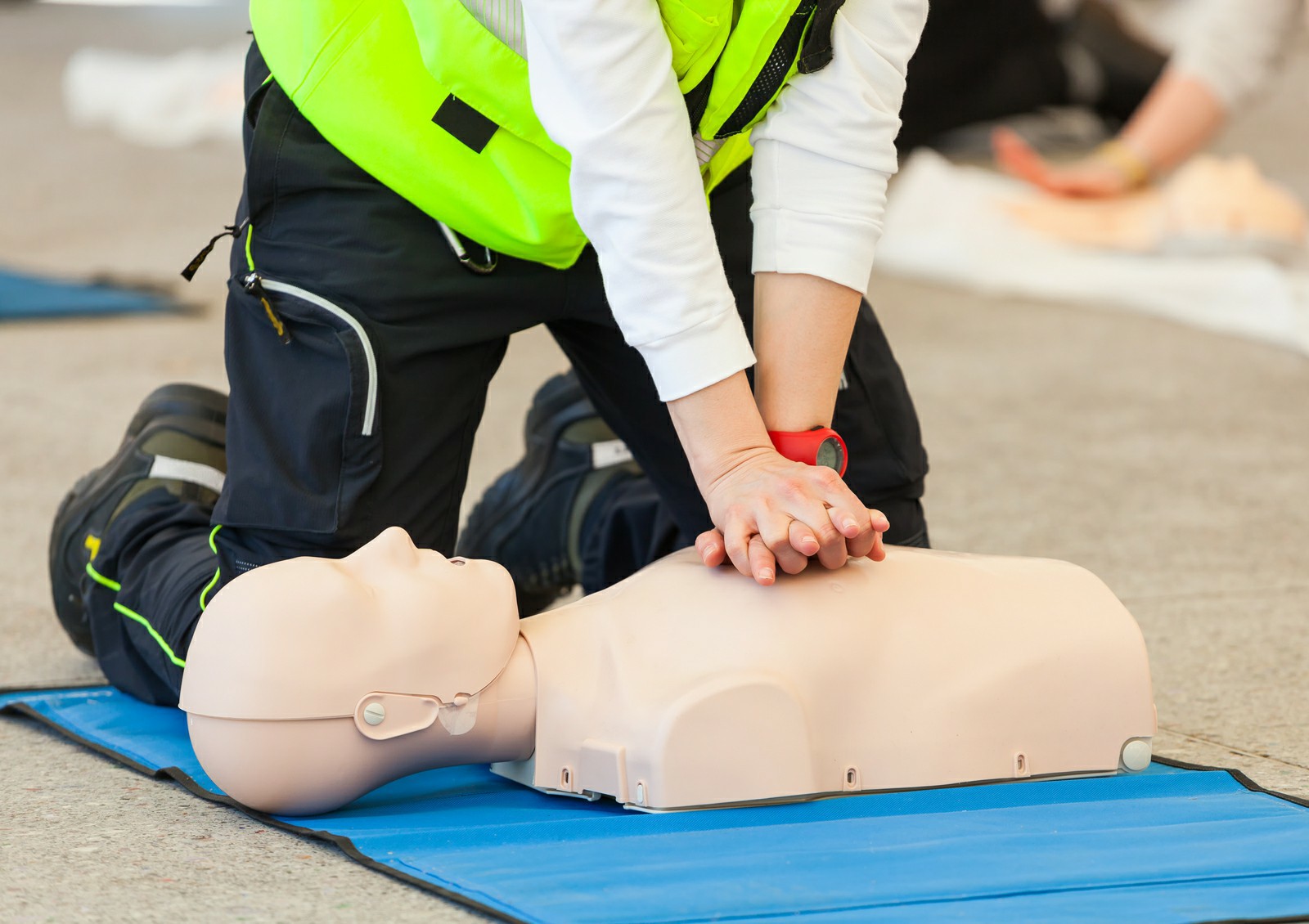
Cardiopulmonary resuscitation (CPR) is a lifesaving technique that is essential in emergencies, especially in workplaces where the risk of cardiac arrest is a possibility. Understanding basic CPR techniques can drastically improve survival rates:
- Compression-Only CPR: In cases of adult cardiac arrest, delivering high-quality chest compressions can keep blood circulating until professional help arrives.
- CPR for Infants and Children: Different techniques apply for young patients. Training covers age-appropriate responses to ensure every employee can act knowledgeably.
- Using an AED: Automated External Defibrillators (AEDs) save lives in sudden cardiac arrest situations. Training ensures employees know how to use them effectively.
Meeting Workplace Health and Safety Regulations Through First Aid Compliance
Many industries are governed by strict health and safety regulations that mandate First Aid training. Understanding these requirements is crucial for compliance:
- Legal Requirements: Familiarize yourself with local regulations regarding workplace safety standards and First Aid compliance.
- Regular Training Updates: Continuous training and certifications help keep knowledge fresh and skills current.
- Documentation: Maintaining records of training and responses enhances accountability and can help during inspections.
Practical Emergency First Aid Procedures for Immediate Response
Training employees in practical First Aid techniques is essential to empower them for real-life situations:
- Assessing the Scene: Learn how to ensure the area is safe before providing assistance.
- Basic Wound Care: Teaching employees how to clean and dress wounds can prevent infections.
- Recognizing Medical Emergencies: Training on signs of various emergencies enables quicker, more effective responses.
How to Select the Best First Aid Training for Your Team
Not all First Aid courses are created equal. Here are some tips to choose the best course:
- Research Certified Programs: Look for courses accredited by recognized organizations.
- Assess Training Needs: Consider the specific needs of your workplace and the type of training your employees require.
- In-Person vs. Online Courses: Weigh the benefits of hands-on training against the flexibility offered by online options.
Online vs. In-Person First Aid Training: Pros and Cons
Choosing the right format for First Aid training can impact employee learning:
- Online First Aid Courses: Offer flexibility and can be completed at one’s own pace, though they may lack practical experience.
- In-Person Training: Allows for hands-on practice and immediate feedback, crucial for mastering techniques like CPR.
Conclusion & Call to Action
Investing in First Aid and CPR training for your employees is not just a legal obligation; it's a vital investment in your workplace culture and safety. Empowering your team with these essential skills can save lives and minimize injuries. Enroll in our comprehensive First Aid & CPR training courses today to enhance your workplace safety and compliance. For inquiries, contact us at [email protected].