Enhancing Patient Safety: Medical Manual Handling Training for Healthcare Workers in Ireland
In the rapidly evolving healthcare landscape, the safety of both patients and healthcare workers is paramount. Medical manual handling training is not just a regulatory requirement; it is a fundamental aspect of providing quality care. In this article, we will delve into the critical importance of medical manual handling training for healthcare professionals in Ireland, emphasizing how it enhances patient safety and promotes a culture of safety within medical facilities.
Understanding Medical Manual Handling
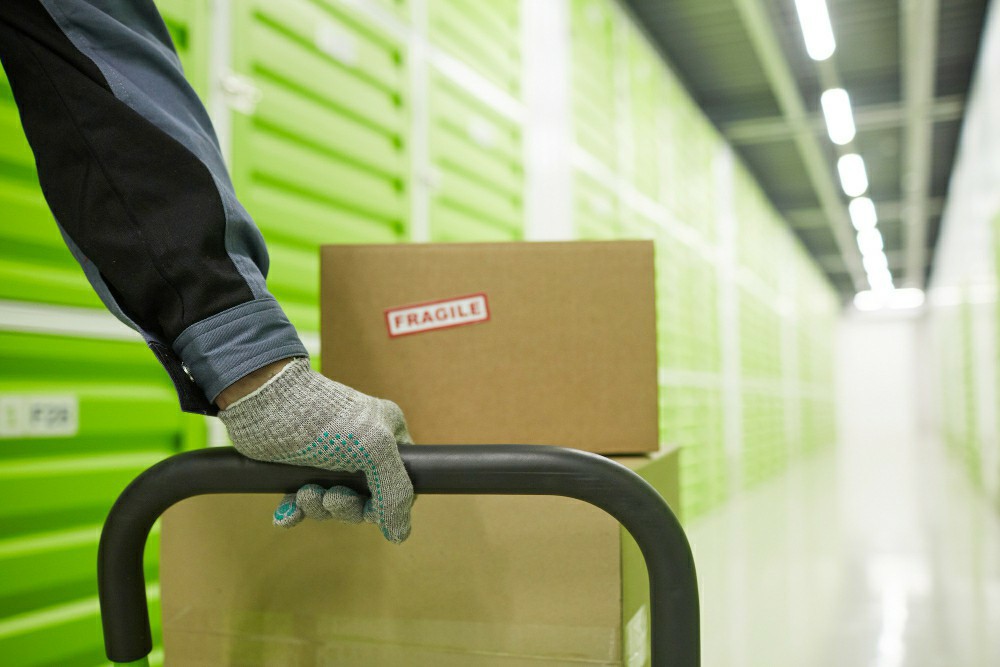
Medical manual handling refers to the movement and handling of patients, ensuring that both the patient's and the healthcare worker's safety is prioritized. It encompasses a range of activities, including lifting, transferring, repositioning, and assisting patients with mobility. Comprehensive training in manual handling techniques is essential for healthcare staff, including nurses, care assistants, and allied health professionals.
The Importance of Medical Manual Handling Training
- Accident Prevention: Proper training reduces the risk of accidents, injuries, and potential litigation. Knowledgeable healthcare professionals are less likely to engage in unsafe practices.
- Improved Patient Outcomes: Safe manual handling techniques lead to better patient experiences and outcomes. This training ensures that patients are treated with dignity and care.
- Enhanced Staff Well-Being: Healthcare workers face physical demands daily. Training helps minimize strain, reducing worker compensation claims and absenteeism.
- Compliance with Regulations: In Ireland, healthcare facilities are required to follow strict guidelines around manual handling, making proper training indispensable for compliance.
Benefits of Medical Manual Handling Certification
Obtaining a Manual Handling Certification for Healthcare Workers offers numerous benefits:
- Credibility: A certification demonstrates a commitment to safety and professionalism in healthcare settings.
- Skill Development: Participants learn to assess risks, apply best practices, and utilize equipment effectively during manual handling.
- Flexible Learning: Options such as the Medical Manual Handling Online Course make training accessible to all healthcare staff regardless of their locations.
Medical Manual Handling Training Options in Ireland
In Ireland, healthcare workers can find a variety of training options, including:
- On-site Workshops: Many facilities offer group training sessions conducted by certified instructors.
- Online Courses: Flexible and accessible, these courses allow healthcare professionals to learn at their own pace.
- Local Certifications: Hospitals in major cities like Dublin, Cork, and Galway often provide tailored manual handling training programs to meet regional compliance needs.
Creating a Culture of Safety
Integrating medical manual handling training into regular staff development creates a culture that prioritizes safety. Encourage ongoing education and refreshers to keep skill sets updated, promoting both staff confidence in their abilities and a commitment to patient safety.
Conclusion
Investing in medical manual handling training is a vital step towards improving workplace safety for healthcare workers in Ireland. It not only protects employees but also enhances the quality of patient care. With certified training options available, including local sessions in Dublin, Cork, and Galway, healthcare facilities are well-equipped to meet the challenges of safe patient handling.
For more information on medical manual handling training and certification, contact us at [email protected] or visit our website irish-manualhandling.ie.