Enhancing Workplace Safety: The Need for Manual Handling Training in Ireland
In today's fast-paced work environment, understanding manual handling techniques is crucial for ensuring employee safety and reducing workplace injuries. This article delves into the importance of manual handling courses, particularly in the Irish context, highlighting the benefits of training that focuses on both theory and practical application.
The Importance of Manual Handling Training
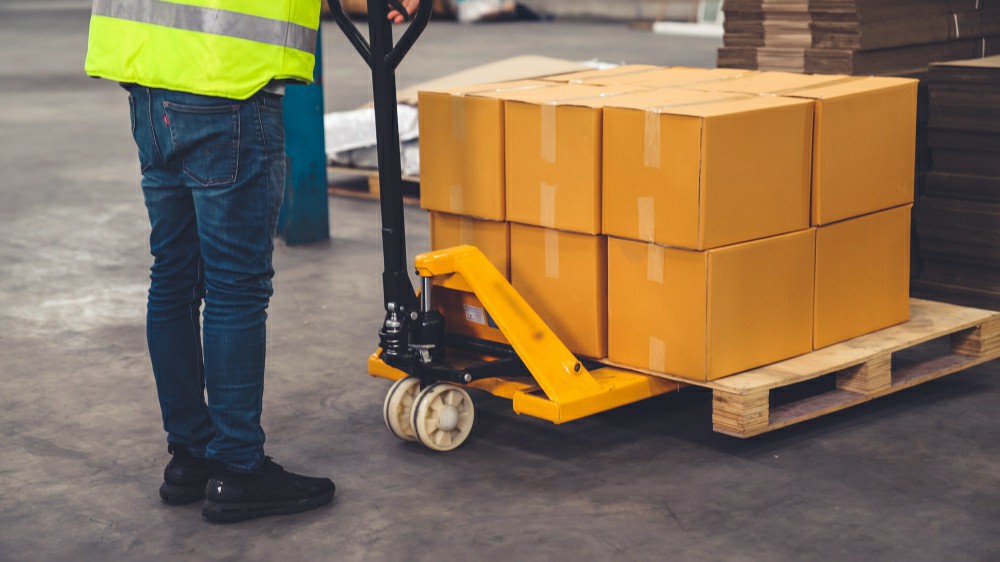
Manual handling refers to any activity that involves lifting, pushing, pulling, or carrying items. According to the Health and Safety Authority (HSA) in Ireland, improper manual handling practices are a major contributor to workplace injuries, especially in environments such as healthcare, warehouses, and construction.
- Understanding Risks: Manual handling training equips employees with the knowledge to identify and mitigate risks associated with lifting techniques.
- Safety Protocols: Training provides safety measures that should be integrated into daily tasks to minimize injury.
- Regulatory Compliance: Completing a manual handling course ensures compliance with Irish safety regulations.
Key Components of a Manual Handling Course
An effective manual handling course includes several key elements:
1. Handling Theory
The foundation of manual handling education begins with an understanding of human anatomy and the principles of biomechanics. Participants will learn how the body functions during lifting and carrying tasks, helping them to:
- Recognize body mechanics and posture.
- Understand the implications of lifting from different angles.
2. Risk Assessment
Participants are trained to perform risk assessments related to manual handling tasks. This includes:
- Identifying potential hazards in the workplace.
- Evaluating the load and the environment before undertaking a task.
3. Practical Handling Techniques
Hands-on training is vital. Employees will engage in practical exercises, learning:
- Safe lifting techniques.
- How to handle various items and materials safely.
- Techniques for teamwork in lifting heavy objects.
Benefits of Online Manual Handling Courses
With the rise of digital learning, many providers, including Irish Manual Handling Ltd., now offer online manual handling courses. Here are some of the notable benefits:
- Flexibility: Employees can learn at their own pace, making it easier to balance work commitments.
- Accessibility: Online courses can often be accessed from any location, making it easier for those in regional areas like Cork and Galway to participate.
- Cost-Effective: Online training typically incurs lower costs compared to in-person courses.
The Manual Handling Certification Process
Upon successful completion of a manual handling course, participants are awarded a Manual Handling Certificate (Cert). This comprehensive certificate validates their understanding of safe practices and can be a valuable addition to their professional qualifications.
For those considering obtaining their manual handling cert online, here's what to expect:
- Completion of all course modules.
- Passing an assessment to demonstrate competency in manual handling techniques.
- Receiving a recognized manual handling certificate that is valid throughout Ireland.
Conclusion
Investing in a manual handling course is not merely a box-ticking exercise; it's a crucial step toward enhancing workplace safety and preventing injuries. Whether you work in Dublin, Cork, or any other part of Ireland, the availability of manual handling courses online makes it easier than ever to learn these vital skills.
To learn more about our courses and how we can help your organization, visit Irish Manual Handling Ltd. or contact us at [email protected].