Enhancing Workplace Safety with Accredited Manual Handling Training in Ireland
In every workplace, particularly in industries where physical labor is involved, effective manual handling training is essential for ensuring safety and compliance with health regulations. Accredited manual handling training not only benefits the employees by equipping them with the necessary skills but also protects the organization from potential liabilities and safety breaches. This blog outlines the value of pursuing an accredited manual handling course in Ireland, detailing key course content and the benefits of certification.
Why Opt for an Accredited Manual Handling Course?
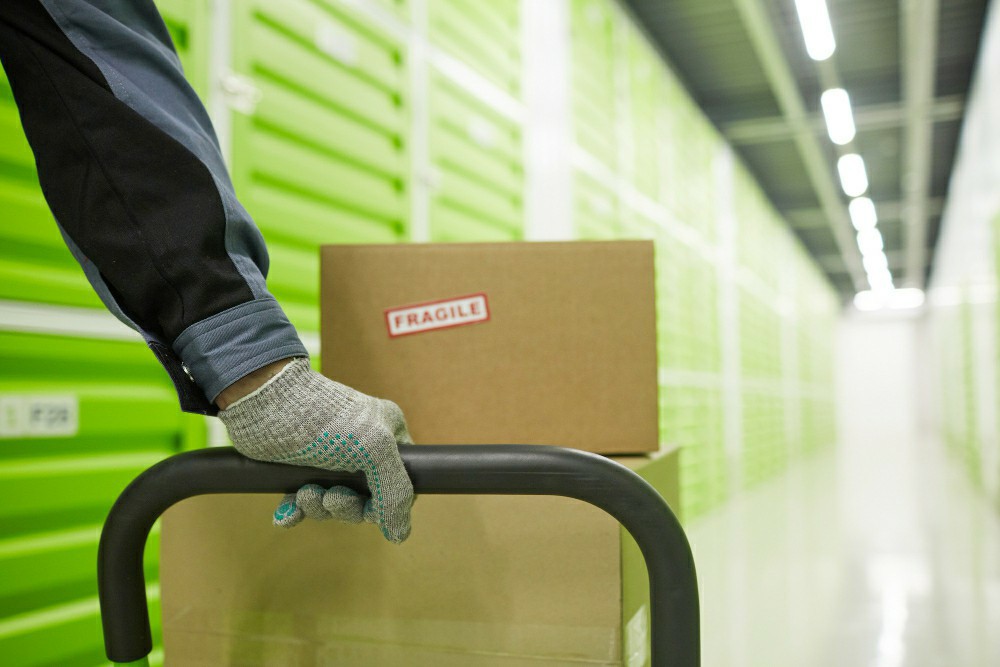
The core purpose of manual handling instruction is to teach individuals how to lift and carry loads safely, minimizing the risk of injury. An accredited manual handling training course is not just a regulatory requirement; it is a proactive approach to fostering a culture of safety.
Key Course Components
- Handling Theory: Understanding the principles of biomechanics, anatomy, and the impact of incorrect manual handling on the body.
- Risk Assessment: Identifying potential hazards in the workplace and implementing measures to mitigate risks effectively.
- Practical Handling Techniques: Hands-on sessions that teach safe lifting techniques for a variety of loads, tailored to specific workplace scenarios.
- Assessing Fitness for Manual Handling: Learning how to recognize personal limitations and the importance of seeking assistance when needed.
Benefits of Accredited Manual Handling Training
Investing in accredited manual handling training brings numerous advantages:
- Compliance with Safety Standards: Completing an accredited manual handling certification helps organizations comply with health and safety regulations, avoiding potential fines.
- Reduced Workplace Injuries: Training employees on correct handling practices significantly reduces the risk of injuries, leading to lower absenteeism and insurance costs.
- Improved Employee Morale: When staff feel safe and supported, their job satisfaction rises, fostering a positive workplace environment.
- Flexibility of Training Options: With options such as accredited manual handling courses online, businesses can provide training that fits their schedules, minimizing disruption to operations.
The Certification Process
Upon successful completion of an accredited manual handling course, participants receive certification that recognizes their proficiency in safe manual handling practices. This certification not only enhances their employability but also demonstrates their commitment to safety.
Steps to Achieve Accreditation:
- Choose a recognized training provider, such as Irish Manual Handling.
- Complete the required coursework, which may include both theoretical knowledge and practical skills.
- Pass the final assessment, which usually combines a written test and practical demonstration of handling techniques.
Conclusion
Committing to accredited manual handling training is an investment in your workplace’s safety and efficiency. By ensuring compliance and promoting safe practices among employees, businesses can create a safer working environment that prioritizes health and well-being. Consider enrolling in an accredited manual handling course in Dublin, Cork, or Galway today. For inquiries, reach out at [email protected].