Enhancing Your Bottom Line: How Working at Heights Training Minimizes Business Insurance Costs
Investing in safety may seem like an additional expenditure for many businesses, but when it comes to Working at Heights (WAH) training, it can be a smart financial decision that leads to significant savings. In this extensive guide, we’ll explore how proper safety training reduces workplace accidents, leads to lower insurance claims, and improves compliance ratings.
The Cost of Workplace Accidents
Workplace accidents can be financially devastating. They not only affect employee well-being but can also lead to substantial financial repercussions for businesses, including:
- Increased medical costs
- Potential legal liability
- Loss of productivity
- Higher workers' compensation claims
How Working at Heights Training Reduces Risks
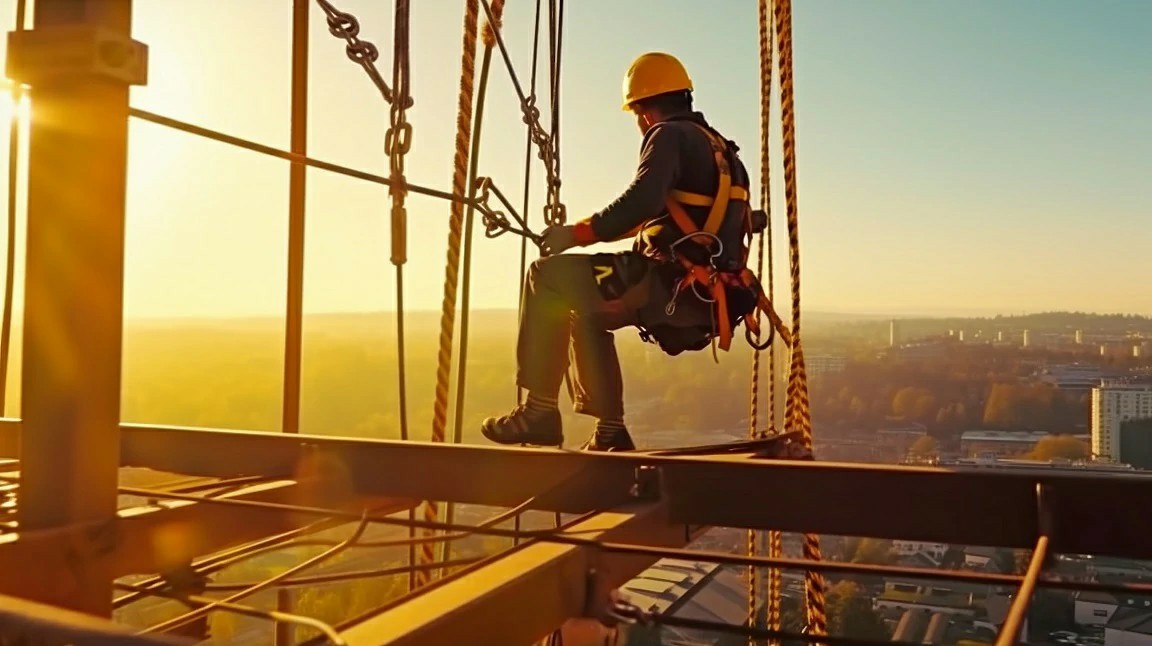
Providing Certified Working at Heights Training ensures employees understand the potential dangers of working at height, and importantly, how to mitigate them. Proper training includes:
- Understanding Equipment: Knowledge about harnesses, ladders, and scaffolding.
- Safe Work Practices: Procedures that minimize risks associated with working at heights.
- Emergency Response: Training on how to respond swiftly and effectively in case of an incident.
Impact on Insurance Premiums
Insurance providers typically assess risk based on a company’s claims history, safety measures in place, and overall compliance. Here's how effective WAH training influences these factors:
- Reduced Claims: With fewer accidents, businesses minimize claims, which directly reduces premium costs.
- Lower Liability Risks: Well-trained staff are less likely to cause accidents, lowering the risk of liability.
- Improved Safety Ratings: Safety certifications enhance a company’s compliance ratings, further contributing to lower premiums.
Real-World Examples
Many companies have witnessed considerable financial benefits from investing in safety training. Consider the following case studies:
- Company A: After implementing a comprehensive Working at Heights Safety Course, they reported a 40% decrease in accidents, leading to an annual insurance premium reduction of 25%.
- Company B: By enrolling employees in a Working at Heights Course Online, this construction firm improved its safety rating, which resulted in an 18% drop in insurance costs within a year.
Compliance Ratings and Business Reputation
Compliance with industry safety standards and regulations is crucial for businesses, particularly in sectors where height work is prevalent. Certified Working at Heights Training not only ensures compliance but also enhances a company’s reputation. A strong commitment to safety:
- Builds trust with clients
- Improves employee morale
- Attracts new business opportunities
Conclusion: Invest in Safety for Financial Savvy
Investing in Working at Heights training is a proactive approach that benefits both your workforce and your bottom line. By minimizing workplace accidents, lowering insurance premiums, and improving compliance ratings, you unlock significant potential for financial savings.
Contact us today to learn more about our Working at Heights Course or email us at [email protected] to enroll your employees in a certified program.