Ensuring Safety First: The Crucial Role of Fall Protection Systems in Abrasive Wheels Usage
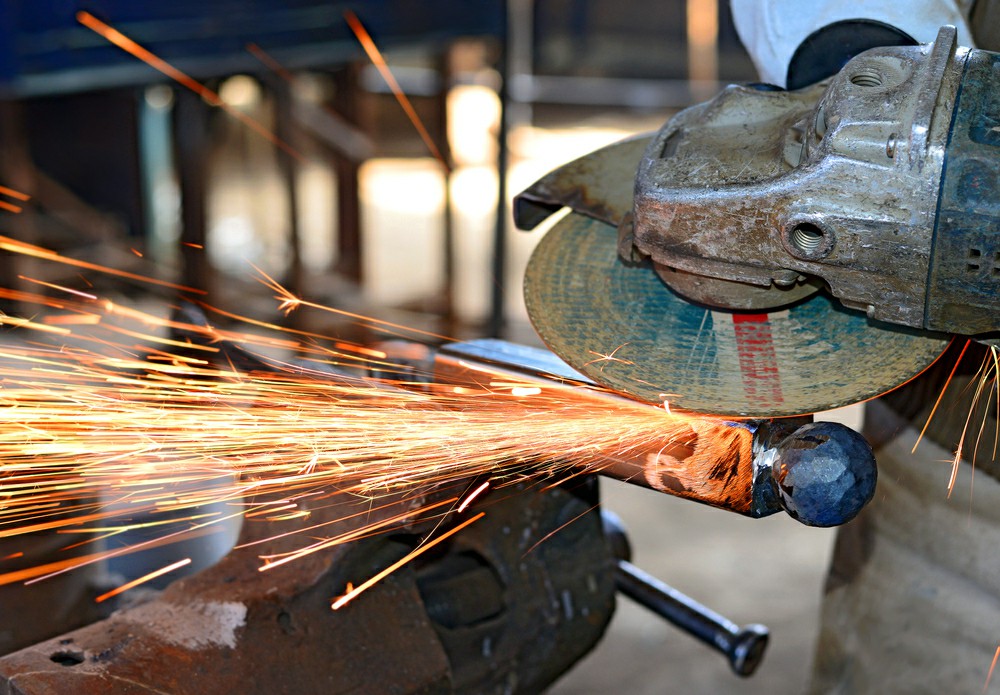
Abrasive Wheels are essential tools in various industries across Ireland, from construction to manufacturing. However, with their great utility comes significant risks, primarily due to the potential for severe injuries if proper precautions are not observed. This blog explores the importance of fall protection systems and various safety equipment when using Abrasive Wheels, alongside the role of training in ensuring safe practices within the workplace.
The Need for Fall Protection Systems in Abrasive Wheels Safety
Abrasive Wheels can lead to accidents if proper procedures and safety measures are not in place. Fall protection systems are crucial as they help mitigate risks associated with falls while operating or using these wheels. Attention should be paid to environments where the machinery is utilized, especially in high-risk areas where potential falls might occur.
Types of Safety Equipment for Abrasive Wheels
- Face Shields: Protect your face and eyes from flying debris. Face shields must meet stringent safety standards to ensure visibility and protection.
- Protective Gloves: Designed to withstand cuts and abrasions, gloves are essential to protect your hands while working with abrasive materials.
- Guards: Machine guards are physical barriers designed to protect workers from the rotating parts of machines, reducing the risk of injuries.
- Respirators: In environments producing hazardous dust or fumes, appropriate respiratory equipment is vital to ensure worker health.
- Hearing Protection: Abrasive Wheels can be loud, making hearing protection essential for long-term auditory health.
The Importance of Training for Safe Equipment Usage
While having the correct safety equipment is pivotal, ensuring that workers are trained on proper usage is equally vital. Hazard awareness programs and ongoing safety training, such as those offered through certified Abrasive Wheels training courses in Dublin, Cork, Galway, and Limerick, are essential for effective safety management.
Key Aspects of Training Include:
- Understanding the risks associated with operating Abrasive Wheels.
- Proper use and maintenance of safety equipment, ensuring effectiveness.
- Recognition of unsafe practices and scenarios to prevent accidents.
Legal Requirements for Protective Gear in Ireland
In Ireland, workplace safety laws dictate the mandatory use of protective equipment in high-risk environments. These regulations stress the importance of providing suitable safety equipment and ensuring that workers wear it correctly.
Employers in cities like Dublin, Cork, Galway, and Limerick must be proactive in adhering to these regulations, ensuring that fall protection systems and safety gear are not just accessibly provided, but also well understood and utilized by workers.
Industry Standards for Safety Equipment
Competency in safety equipment varies globally, but in Ireland, there are critical standards workers need to adhere to:
- IS EN 12477: This standard outlines the requirements for protective gloves.
- IS EN 166: Requirements for personal eye protection.
- IS EN 388: Criteria for protective gloves from mechanical risks.
Conclusion: Prioritize Safety in Abrasive Wheels Operations
Fall protection and safety equipment are not optional; they are indispensable elements in the safe use of Abrasive Wheels. Companies across Dublin, Cork, Galway, Limerick, and other major cities in Ireland must prioritize comprehensive safety training and adherence to legal safety standards. Ensuring that workers are well-equipped and educated on safety gear usage can help prevent accidents and save lives.
Are you looking to enhance your workplace safety? Explore our certified Abrasive Wheels training and equip your workforce with the knowledge they need to operate safely!
For further information, reach out to us at [email protected].