Ensuring Safety in Healthcare: The Necessity of Manual Handling-First Training in Ireland
The healthcare sector is undeniably one of the most critical components of society, where professionals work tirelessly to provide care to those in need. However, this demanding environment comes with risks, particularly concerning manual handling. Understanding the necessity of Manual Handling-First Training can significantly mitigate these risks, ensuring both staff and patient safety.
What is Manual Handling-First Training?
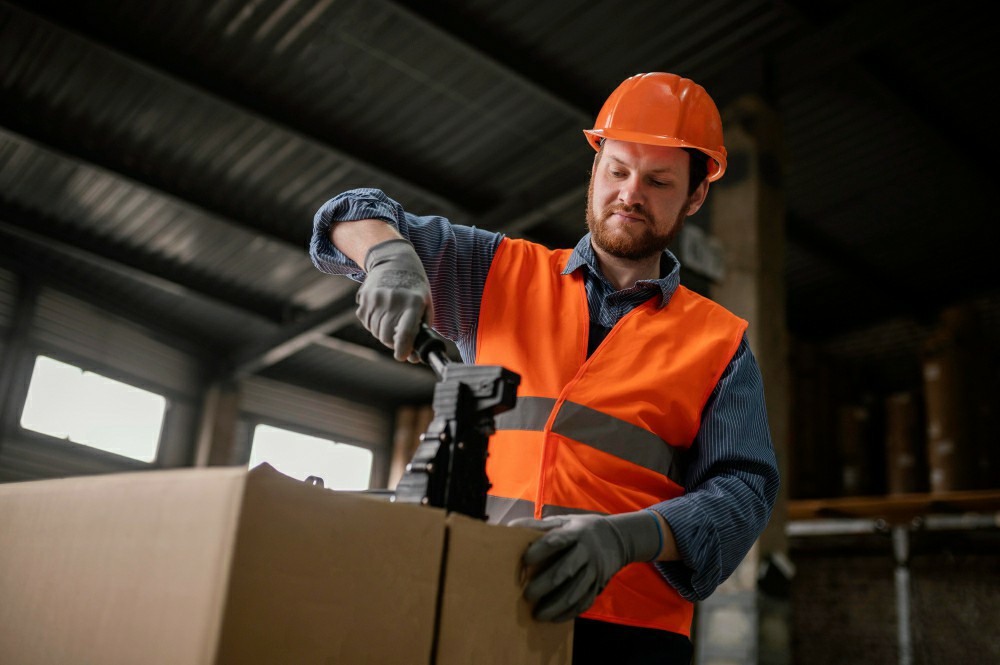
Manual Handling-First Training focuses on teaching professionals the safest ways to lift, carry, reposition, and transfer patients. This specialized training is not just about lifting weight but encompasses proper techniques that prevent injuries to both healthcare workers and patients.
The Importance of Manual Handling-First Training in Healthcare
Healthcare professionals, including nurses, physiotherapists, and support staff, routinely engage in manual handling tasks. Without adequate training, these tasks can lead to serious injuries, such as musculoskeletal disorders. Here are several compelling reasons why Manual Handling-First Certification is essential:
- Safety First: Proper training equips staff with the knowledge to handle patients safely, reducing the risk of accidents.
- Legal Compliance: Ensuring your staff are trained in manual handling is not just good practice, but a legal requirement under Irish law.
- Improved Patient Care: Safe handling enhances the overall care experience, ensuring patients feel secure and comfortable during transfers.
- Cost-Effective: Fewer injuries mean lower compensation claims and less downtime, ultimately saving costs for healthcare facilities.
The Benefits of Manual Handling-First Certification
Obtaining a Manual Handling-First Certification offers various advantages:
- Enhanced Reputation: Institutions that prioritize safety demonstrate their commitment to both patient and staff welfare.
- Expertise Development: Personnel gain confidence and greater expertise, allowing for more effective healthcare delivery.
- Skills Application: Training can be directly applied in day-to-day operations, improving workflow and efficiency.
Choosing the Right Manual Handling-First Course in Ireland
As you consider enrolling in a Manual Handling-First Course, keep these tips in mind:
- Accreditation: Ensure the course is certified and recognized within Ireland.
- Trainer Qualifications: Trainers should have extensive knowledge and experience in healthcare manual handling.
- Format: Whether you prefer an in-person Manual Handling-First Course Online or face-to-face training, choose what best fits your team's needs.
Getting Certified: The Pathway to Manual Handling-First Safety
For healthcare professionals in cities like Dublin, Cork, and Galway, finding a Certified Manual Handling-First Training provider is crucial. It's important to enroll with a reputable organization to ensure a comprehensive understanding of safe practices.
Conclusion
In a sector where safety and care go hand-in-hand, investing in Manual Handling-First Training is not just beneficial but essential. By prioritizing safety through certification, healthcare professionals can create a safer environment for both themselves and their patients. For more information or to sign up for a course, visit Irish Manual Handling or reach out via [email protected].