Essential Equipment Checklist for Working at Heights: Your Guide to Safety Gear
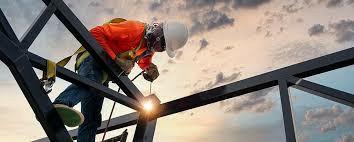
Working at heights poses significant risks if proper safety measures are not enforced. In this comprehensive guide, we will explore essential safety gear required for Working at Heights, emphasizing the importance of each piece of equipment, its proper usage, and maintenance tips. Following industry safety regulations, workers and employers can ensure compliance and enhance workplace safety.
Importance of Working at Heights Safety Gear
When working at elevated positions, the right safety gear is not just a recommendation—it’s a necessity. Falls are one of the leading causes of workplace injuries and fatalities. Implementing reliable safety equipment reduces the risk of serious injuries and saves lives.
Key Safety Gear for Working at Heights
Let’s dive into the essential equipment that every worker needs when Working at Heights.
1. Safety Harnesses
- Function: A safety harness distributes the fall force across the body, minimizing injury.
- Usage: Ensure the harness fits snugly, with all straps securely fastened. Adjust for comfort but never compromise on security.
- Maintenance: Inspect for frayed straps, buckles, or any signs of wear before each use.
2. Lanyards
- Function: Lanyards connect the harness to a secure anchor point, preventing falls.
- Usage: Select the right type of lanyard based on your work environment (shock-absorbing vs. standard).
- Maintenance: Regularly check lanyards for tears or damage and replace them immediately if compromised.
3. Anchor Points
- Function: Secure anchor points provide a reliable connection for harnesses and lanyards.
- Usage: Always use anchors that are rated for the appropriate load, marked, and positioned correctly.
- Maintenance: Inspect anchors for structural integrity and ensure they are free from corrosion.
4. Helmets
- Function: Helmets protect against falling objects and impacts.
- Usage: Ensure the helmet fits properly and is adjusted for snugness.
- Maintenance: Inspect for cracks or dents and replace if compromised.
5. Gloves
- Function: Gloves protect hands from abrasions and provide grip.
- Usage: Choose gloves that allow for dexterity while ensuring safety.
- Maintenance: Clean gloves regularly and check for wear.
6. Fall Arrest Systems
- Function: These systems prevent a worker from hitting the ground in the event of a fall.
- Usage: Properly set up and check fall arrest systems before beginning work at heights.
- Maintenance: Regular inspections and servicing by a certified professional are crucial.
Understanding Industry Safety Regulations
It is critical to understand that various regulations mandate the use of specific safety gear when Working at Heights. For example, guidelines set by health and safety authorities require employers to provide the necessary training and equipment for workers. This includes Working at Heights Training and obtaining Working at Heights Certification. Companies should ensure their employees are trained, and assess the risk associated with any task undertaken at height.
Best Practices for Gear Maintenance
Proper maintenance of safety gear not only prolongs its life but also ensures the safety of workers. Here are some best practices:
- Conduct daily inspections before use.
- Keep gear clean and store it in dry conditions.
- Follow manufacturer recommendations for cleaning and servicing.
- Document maintenance checks and any repairs made.
Enroll in Working at Heights Training
Training is as important as the equipment used. Consider enrolling in a reputable Working at Heights Course or a Working at Heights Course Online to ensure you have the knowledge and skills to work safely at elevation. Options for Certified Working at Heights Training are available across Dublin, Cork, and Galway, tailored to the local regulatory requirements.
For more information on training programs and safety equipment, reach out to us at [email protected] or visit our Working at Heights Course page.
Conclusion
Investing in the right safety gear and proper training is essential for any worker involved in Working at Heights. Not only does it guarantee compliance with safety regulations, but it also protects health and lives. By adhering to best practices in usage and maintenance, you can significantly reduce the risk of accidents on the job.