Essential First Aid & CPR Training: Empowering Workplaces Across Ireland
In every workplace, the unexpected can happen. Accidents, health emergencies, or sudden injuries can arise at any moment, making it crucial for employees to be prepared. This is where First Aid and CPR training comes into play—not just a legal requirement, but a vital skill set that can save lives.
The Importance of First Aid & CPR Training
First Aid training equips employees with the necessary skills to respond effectively to emergencies. CPR certification and First Aid certification are particularly essential in high-risk environments. In cities like Dublin, Cork, Galway, Limerick, and Waterford, having certified personnel can lead to:
- Increased employee safety - Knowledge of first aid can significantly minimize the severity of injuries.
- Enhanced confidence - Employees trained in First Aid feel more at ease in emergency situations.
- Better workplace culture - A focus on health and safety promotes a supportive work environment.
Critical First Aid Skills Every Irish Workplace Should Have
Basic first aid skills include:
- Recognizing signs of distress and understanding when medical help is required.
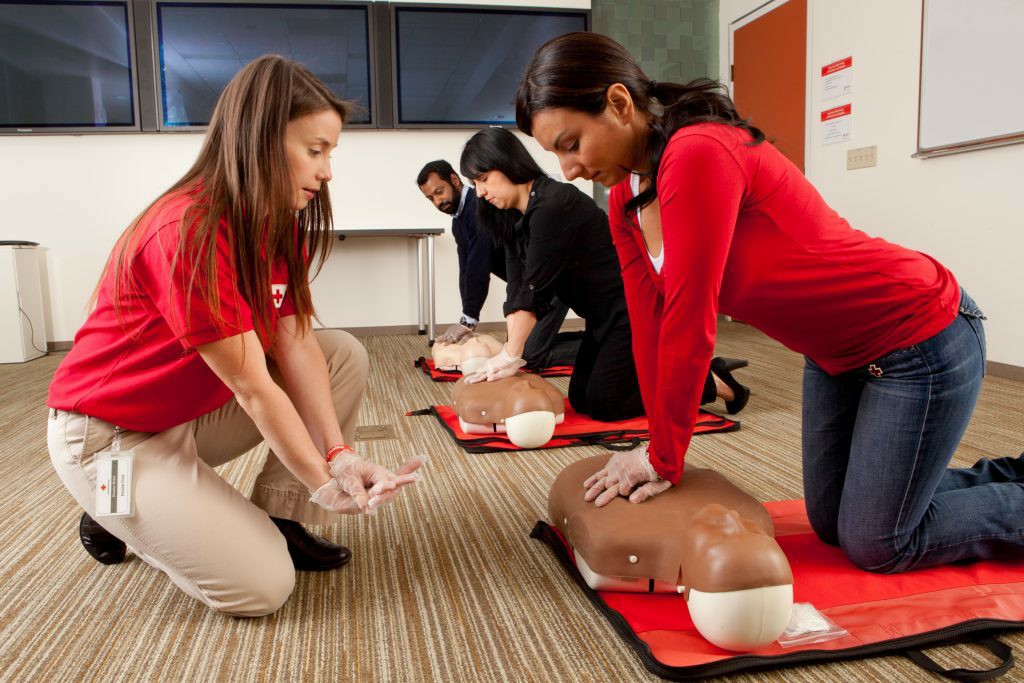
- Performing CPR effectively on someone who is unconscious.
- Applying bandages, performing the Heimlich maneuver for choking, and managing bleeding.
- Identifying and treating minor injuries such as burns, sprains, and bites.
CPR Essentials: Techniques for Effective Emergency Response
CPR techniques can mean the difference between life and death. The core steps include:
- Checking responsiveness and calling for emergency help if no response.
- Performing chest compressions at the right rate and depth.
- Giving rescue breaths, if trained, or using an AED.
Regular training ensures that employees are up to date on the latest CPR techniques and technologies.
Navigating Workplace First Aid Regulations in Ireland
Compliance with Irish health and safety regulations means understanding the requirements for workplace First Aid. Factors include:
- Assessing workplace hazards to determine the level of First Aid needed.
- Ensuring adequate first aid supplies and trained personnel.
- Conducting regular training refreshers and drills.
How First Aid Certification Benefits Both Employees and Employers
Obtaining First Aid Certification offers numerous benefits:
- Reduced workplace accidents - Training leads to improved awareness and preparedness.
- Increased employee retention - A safe workplace fosters loyalty and reduces turnover.
- Insurance benefits - Some insurers lower premiums for businesses with trained staff.
Emergency First Aid Procedures: Step-by-Step Guidelines for Immediate Action
In the event of an emergency, follow these steps:
- Ensure the scene is safe for you and the victim.
- Assess the victim’s condition.
- Call for help and provide clear details about the situation.
- Administer appropriate first aid measures until help arrives.
Selecting the Ideal First Aid Course: Online Versus Traditional Training Options
When choosing a First Aid course, consider:
- Reputation of the training provider - Look for accredited courses and experienced instructors.
- Format preference - Decide between online first aid courses for flexibility or in-person training for hands-on experience.
- Course delivery and assessment methods - Ensure the course has practical assessments to prepare participants for real-world situations.
Conclusion & Call to Action
First Aid and CPR training are not just beneficial—they are essential skills that provide critical knowledge for saving lives. Invest in your workplace safety and build a culture of preparedness by enrolling in a First Aid & CPR training course today.
Contact us at [email protected] or visit our website for more information on our training offerings.