Essential Guide to Fire Warden and Fire Marshal Requirements in Ireland
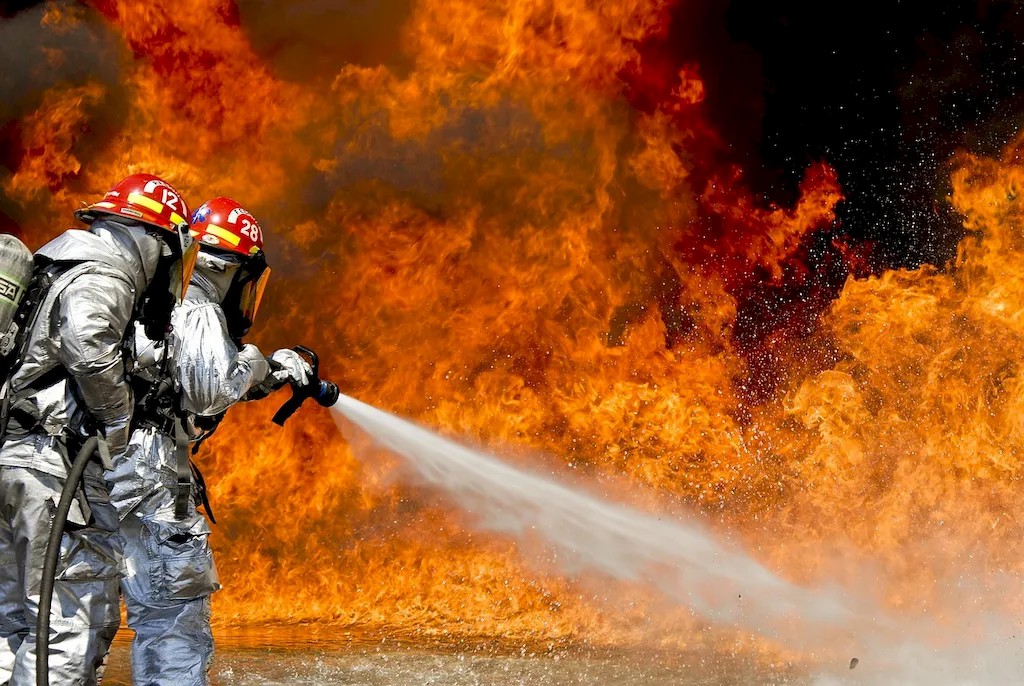
Ensuring safety in the workplace is a fundamental responsibility of every employer in Ireland. Among the various roles associated with fire safety, Fire Wardens and Fire Marshals play crucial roles in maintaining safety compliance and ensuring emergency preparedness. This guide provides an overview of the legal obligations, responsibilities, and training requirements for Fire Wardens and Fire Marshals across major cities including Dublin, Cork, Galway, Limerick, and Waterford.
Understanding Fire Safety Laws in Ireland
Irish fire safety laws are designed to minimize the risk of fire in workplaces. These regulations demand specific actions from employers to ensure the safety of their employees. Key legal instruments include the Fire Services Act and the Safety, Health and Welfare at Work Act, which together establish the groundwork for fire safety compliance.
Fire Risk Assessment Regulations
A vital step employers must take is conducting a fire risk assessment. This assessment identifies potential fire hazards, evaluates the risks, and implements necessary control measures. Employers are legally required to record significant findings from these assessments and keep this documentation updated.
Legal Requirements for Fire Wardens
Fire Wardens, sometimes referred to as Fire Marshals, have specified legal responsibilities that include:
- Monitoring Compliance: Ensuring all fire safety protocols are followed according to the fire risk assessment.
- Emergency Drill Coordination: Organizing regular fire drills to practice evacuation procedures and improve employee awareness.
- Reporting: Communicating any fire hazards or safety concerns to management promptly.
- Training: Participating in and leading fire safety training sessions for all staff members.
Employer Obligations Regarding Fire Safety
Employers in Ireland must ensure:
- Regular training for Fire Wardens and Fire Marshals through certified courses, enhancing their knowledge and skills in emergency response.
- Implementation of emergency action plans that clearly outline evacuation procedures and individual roles.
- Provision of necessary firefighting equipment and maintaining accessible escape routes.
Need for Fire Warden Training
Obtaining a Fire Warden Certificate enables employers to demonstrate compliance with fire safety laws. It also fosters a culture of safety within the workplace. Fire Warden Training Dublin, Fire Warden Course Cork, and similar programs in other cities ensure that staff are equipped with the skills to handle fire emergencies effectively.
Employee Responsibilities in Fire Safety
All employees hold a shared responsibility in maintaining workplace safety. They should:
- Participate actively in training sessions and drills.
- Report hazards immediately to Fire Wardens.
- Familiarize themselves with evacuation routes and procedures outlined in emergency action plans.
Enhancing Emergency Preparedness Through Training
In addition to compliance, Fire Marshal Certification enhances overall emergency preparedness. Training programs, such as the Fire Marshal Course Ireland, provide participants with in-depth knowledge of:
- Effective evacuation strategies.
- Basic firefighting techniques.
- Legal obligations pertaining to fire safety.
Conclusion: Prioritizing Fire Safety in the Workplace
In Ireland, compliance with fire safety regulations is not only a legal obligation but a vital component of workplace safety. By ensuring that Fire Wardens and Fire Marshals receive appropriate training and maintain awareness of their duties, employers significantly mitigate risks associated with fire hazards.
Consider enrolling your staff in certified training programs today. It’s not just about compliance; it’s about creating a safer workplace for everyone. For more information on Fire Warden and Fire Marshal training, contact us at [email protected].