Essential Guide to Manual Handling Courses: Your Path to Safer Work Practices in Ireland
In today's working environment, manual handling plays a crucial role in maintaining safety and productivity. As employees across various sectors engage in lifting, carrying, and transporting goods, proper training becomes essential. This comprehensive guide explores manual handling courses in Ireland, the significance of health and safety, and how online training options can provide you with the training necessary to excel in your role.
Understanding Manual Handling and Its Importance
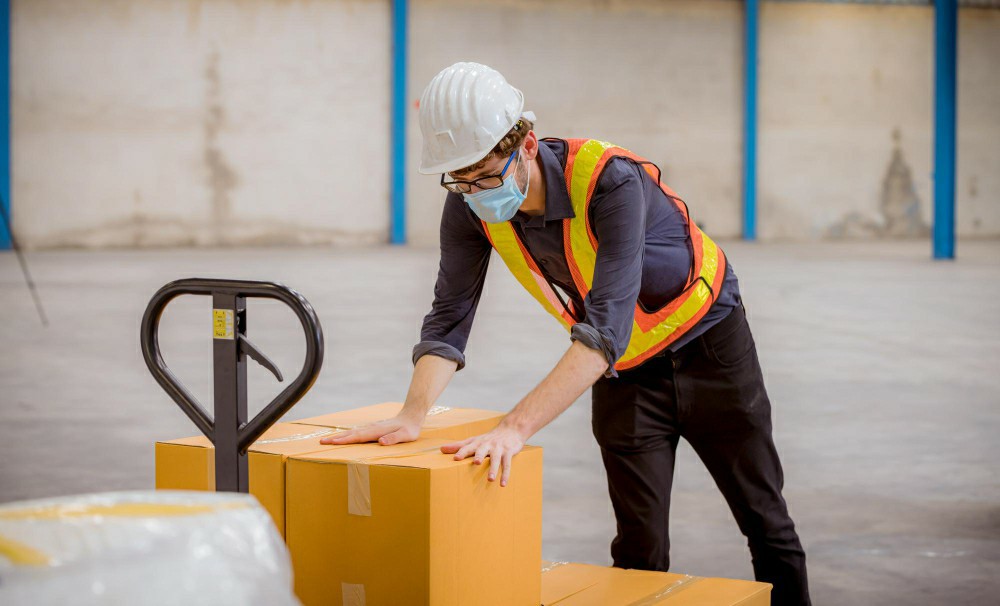
Manual handling refers to the physical act of moving items by lifting, carrying, pushing, or pulling. It is a common task in numerous industries, including warehousing, healthcare, and construction. Without proper training, workers may face serious injuries like back pain, strains, or sprains.
The Legal Perspective
In Ireland, employers are legally obligated to ensure the safety and health of their workers under the Health and Safety Authority (HSA). This includes providing suitable training for manual handling tasks. Enrolling in a manual handling course online ensures that you are compliant and equipped with vital safety skills.
What to Expect from a Manual Handling Course
A structured manual handling course covers several key topics:
- Handling Theory: Understanding the principles of safe manual handling.
- Risk Assessment: Identifying and evaluating risks associated with manual handling tasks.
- Practical Handling Techniques: Learning how to lift and carry loads safely.
- Equipment Usage: Guidance on using tools and equipment to lessen manual handling strain.
Practical Applications
Through hands-on practice, participants learn effective techniques to reduce injury risks. For instance:
- Using their legs instead of their backs when lifting.
- Keeping the load close to their body.
- Employing teamwork for heavier loads.
The Benefits of Online Training Options
With the rise of remote education, many institutions now offer a manual handling course online. Here are some benefits of this format:
- Accessibility: Participants can learn from the comfort of their homes, making it easier to fit into their schedules.
- Flexibility: Online courses often allow for self-paced learning, enabling users to revisit materials as needed.
- Cost-Effective: Online courses can be more affordable than in-person training sessions.
Obtaining Your Manual Handling Certificate
Upon successful completion of the course, participants receive a manual handling certificate, validating their skills and knowledge. This certificate is essential for employees in multiple sectors, demonstrating that they have met required safety standards.
Steps to Certification
The typical certification process involves:
- Completing the course modules.
- Passing an assessment to verify knowledge retention.
- Receiving the manual handling cert online that can be printed or shared.
Conclusion
Enrolling in a comprehensive manual handling course is essential for anyone engaged in physical labor in Ireland. With the convenience of online training, you can ensure you are equipped with the necessary skills to perform your job safely and efficiently. Whether you're in Dublin, Cork, Galway, or anywhere else in Ireland, prioritize your safety and that of your colleagues today.
To find out more about our manual handling courses or to discuss your training needs, contact us at [email protected].