


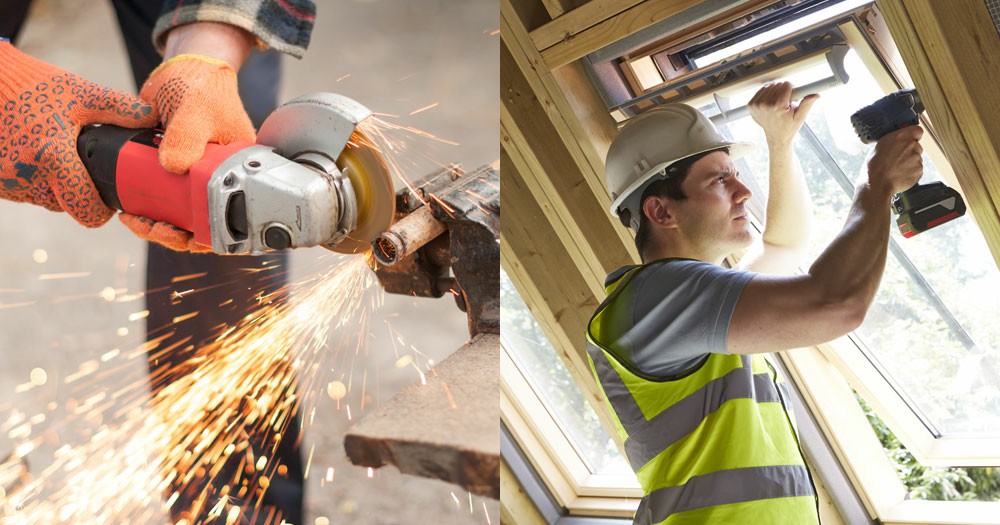
Understanding the Safety Risks of Abrasive Wheels and How Training Saves Lives
Abrasive wheels are powerful tools utilized in various industries, from construction to manufacturing. While they offer unparalleled efficiency in cutting and grinding, they also pose significant safety risks if not handled correctly. Understanding these risks is crucial, as is implementing proper training to ensure workplace safety.
Common Safety Hazards Associated with Abrasive Wheels
When working with abrasive wheels, various hazards may lead to serious injuries. Here are some common safety risks:
- Wheel Breakage: A wheel that is worn or improperly mounted may shatter during use, causing flying debris that can injure operators or nearby workers.
- Improper Mounting: Incorrect installation can lead to wheel imbalance, resulting in vibrations and eventual wheel failure.
- Correct Usage: Using the wheel for unintended purposes, such as grinding or cutting materials not suited for the wheel, can lead to accidents.
- Lack of Protective Equipment: Not using the appropriate personal protective equipment (PPE) such as goggles, gloves, and face shields can expose workers to injury hazards.
Importance of Abrasive Wheels Training
Training plays a pivotal role in mitigating the risks associated with abrasive wheels. Here’s how:
- Identifying Hazards: Proper training enables operators to recognize the potential risks associated with abrasive wheels and their safe use.
- Safe Operation: A structured Abrasive Wheels Course educates employees on safe operational practices, ensuring they understand the correct techniques for mounting and using the tools.
- Use of Protective Equipment: The Abrasive Wheels Safety Course emphasizes the necessity of PPE, helping workers understand which gear is essential for their safety.
- Emergency Procedures: Training programs detail how to respond to accidents or malfunctions, empowering workers to act effectively in emergencies.
Real-Life Case Studies: Training Saving Lives
Real-life scenarios vividly illustrate the importance of training in preventing accidents:
Case Study 1: The Impact of Proper Training
In a manufacturing facility in Dublin, a team of operators underwent Certified Abrasive Wheels Training. Shortly after the training, a wheel that had been improperly mounted during a routine operation was identified by a trained worker who recalled the signs of potential wheel failure from the course. The incident was promptly addressed, potentially averting severe injuries that could have resulted from a wheel breakage.
Case Study 2: PPE Saves the Day
In Cork, a worker using an abrasive wheel neglected to wear a face shield, believing it was not necessary for the task at hand. However, after receiving training, the worker recognized the importance of PPE and decided to use the shield, which ultimately protected them from flying debris when the wheel unexpectedly shattered.
Best Practices for Abrasive Wheels Operations
To ensure safety when using abrasive wheels, consider implementing the following best practices:
- Regular Safety Inspections: Conduct routine checks of equipment to identify wear and tear.
- Comprehensive Risk Assessments: Regularly assess the workplace and operations to identify potential hazards.
- Consistent Training Sessions: Schedule ongoing Abrasive Wheels training sessions to keep employees updated on safety protocols and operator responsibilities.
- Emergency Response Drills: Regular drills can prepare workers for real incidents and ensure they know what actions to take.
Conclusion: Take Action for Safety
Investing in Abrasive Wheels Certification not only benefits the employees but also enhances overall workplace safety and efficiency. Don’t wait for an incident to occur; enroll in an Abrasive Wheels Course Online today to safeguard your staff and operations.
For more information on our courses, please contact us at [email protected]. Let’s work together to create a safer workplace environment!



































