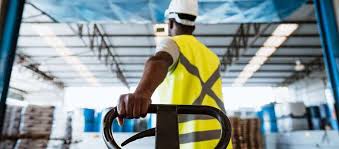
Essential Online Manual Handling Training and Certification for Safe Workplaces in Ireland
In the bustling work environments of Dublin, Cork, Galway, Limerick, Waterford, and Belfast, manual handling plays a crucial role in ensuring workplace safety. The physical nature of many jobs requires trained professionals who are aware of manual handling techniques to reduce risks and injuries. In this guide, we will delve deep into the significance of Online Manual Handling Training and how it can benefit your organization.
Why Manual Handling Training is Crucial for Workplace Safety & Legal Compliance
Manual handling is defined as any transporting or supporting of a load by hand or bodily force. Without proper training, employees are at a higher risk of workplace injuries, which can significantly impact productivity and legal standing. In Ireland, manual handling training is not just a recommendation; it is a legal requirement. Employers are obligated to provide proper training to ensure that all employees are aware of the safety practices needed for their roles.
Understanding Manual Handling Risks & Their Impact on Productivity
Every manual handling task carries inherent risks. These can include strains, sprains, and even long-term musculoskeletal disorders. Such injuries can lead to:
- Increased absenteeism
- Decline in morale
- Higher insurance premiums
- Reduced workforce efficiency
By investing in manual handling training courses, you equip your employees with the tools to safely conduct their duties, therefore enhancing overall productivity.
Legal Requirements for Manual Handling Training in Ireland
According to the Health and Safety Authority (HSA), employers must comply with the Manual Handling Operations Regulations. This includes:
- Assessing manual handling risks present in the workplace.
- Providing training that focuses on proper lifting techniques.
- Implementing measures to reduce risks associated with manual handling.
Failure to comply can lead to severe penalties for businesses, making training not just essential but a legal obligation.
How to Lift Safely: Best Practices for Injury Prevention
Taking the right approach to manual handling can significantly lower the risk of injuries. Here are some best practices to adopt:
- Plan your lift: Assess the load and determine whether assistance is needed.
- Use your legs: Bend your knees and keep the load close to your body.
- Maintain a stable base: Ensure your feet are shoulder-width apart for balance.
- Keep your back straight: Avoid twisting your body while lifting.
Implementing these techniques not only safeguards employees but also enhances their confidence in handling workplace tasks.
The Benefits of Online Manual Handling Certification for Employers & Employees
Fully online manual handling training offers unprecedented flexibility and accessibility. Some key benefits include:
- Convenience: Employees can complete training anytime, anywhere, accommodating diverse schedules.
- Cost-effective: Reduces training costs related to travel and time away from work.
- Comprehensive content: Online courses often include interactive modules, videos, and quizzes for better understanding.
Embracing online training options is proving to be an effective approach for many Irish organizations looking to enhance workplace safety.
How to Get Certified in Manual Handling Online: A Step-by-Step Guide
Obtaining your Manual Handling Certificate online is straightforward:
- Choose a reputable provider: Research online course offerings to find one that meets legal requirements.
- Register for the course: Fill out the necessary registration forms and make payment.
- Engage with course content: Complete the modules, including quizzes and assessments to test your knowledge.
- Receive certification: Upon completion, you'll obtain your certification, demonstrating compliance and knowledge.
Why Online Manual Handling Training is More Effective Than Traditional Methods
Compared to traditional classroom training, online courses provide a more engaging and adaptable learning experience. Reasons to switch to online training include:
- Interactive elements: Modern online training incorporates videos, simulations, and case studies that help understand real-world applications.
- On-demand access: Allows employees to revisit materials as needed, reinforcing key concepts.
- Customizable pacing: Learners can complete modules at their own speed, ensuring thorough understanding.
These advantages contribute to a more effective learning experience and better retention of crucial safety practices.
Common Workplace Injuries & How Training Helps Prevent Them
Common injuries resulting from improper manual handling include:
- Back injuries
- Muscle strains
- Joint injuries
- Repetitive strain injuries
Comprehensive manual handling training programs focus on teaching staff how to recognize and mitigate these risks, ultimately fostering a culture of safety.
Best Practices for Safe Manual Handling in Various Industries
Different industries, from warehousing to healthcare, face unique manual handling challenges. Here are best practices tailored to specific fields:
- Warehouse Workers: Utilize mechanical aids and be trained on proper stacking techniques.
- Healthcare Workers: Focus on patient handling techniques and the use of lifting aids.
- Construction Employees: Engage in thorough risk assessments and use teamwork for heavy lifting tasks.
Conclusion & Call to Action
Prioritizing manual handling safety not only enhances compliance with Irish regulations but also protects your greatest asset—your employees. Ready to take the first step toward a safer workplace? Enroll in our Online Manual Handling Training today! For any inquiries, feel free to reach out to us at [email protected]. Let’s work together to build a safer working environment!