Essential Safety Gear for Working at Heights: A Comprehensive Guide for Workers
When it comes to Working at Heights, safety should always be the top priority. Each year, falls from height rank among the leading causes of workplace injuries and fatalities. Understanding the necessary safety gear, proper usage, and maintenance practices can significantly reduce risks. In this comprehensive guide, we discuss the essential safety equipment for anyone involved in working at heights, alongside tips for correct usage and upkeep.
Understanding the Risks of Working at Heights
Working at heights encompasses any work conducted above ground level, whether on scaffolding, ladders, rooftops, or elevated platforms. The hazards associated with such work include:
- Falls from height
- Slips and trips
- Falling objects
- Equipment failures
The importance of reliable safety gear cannot be overstated, as it plays a critical role in preventing accidents and ensuring compliance with safety regulations.
The Essential Safety Gear
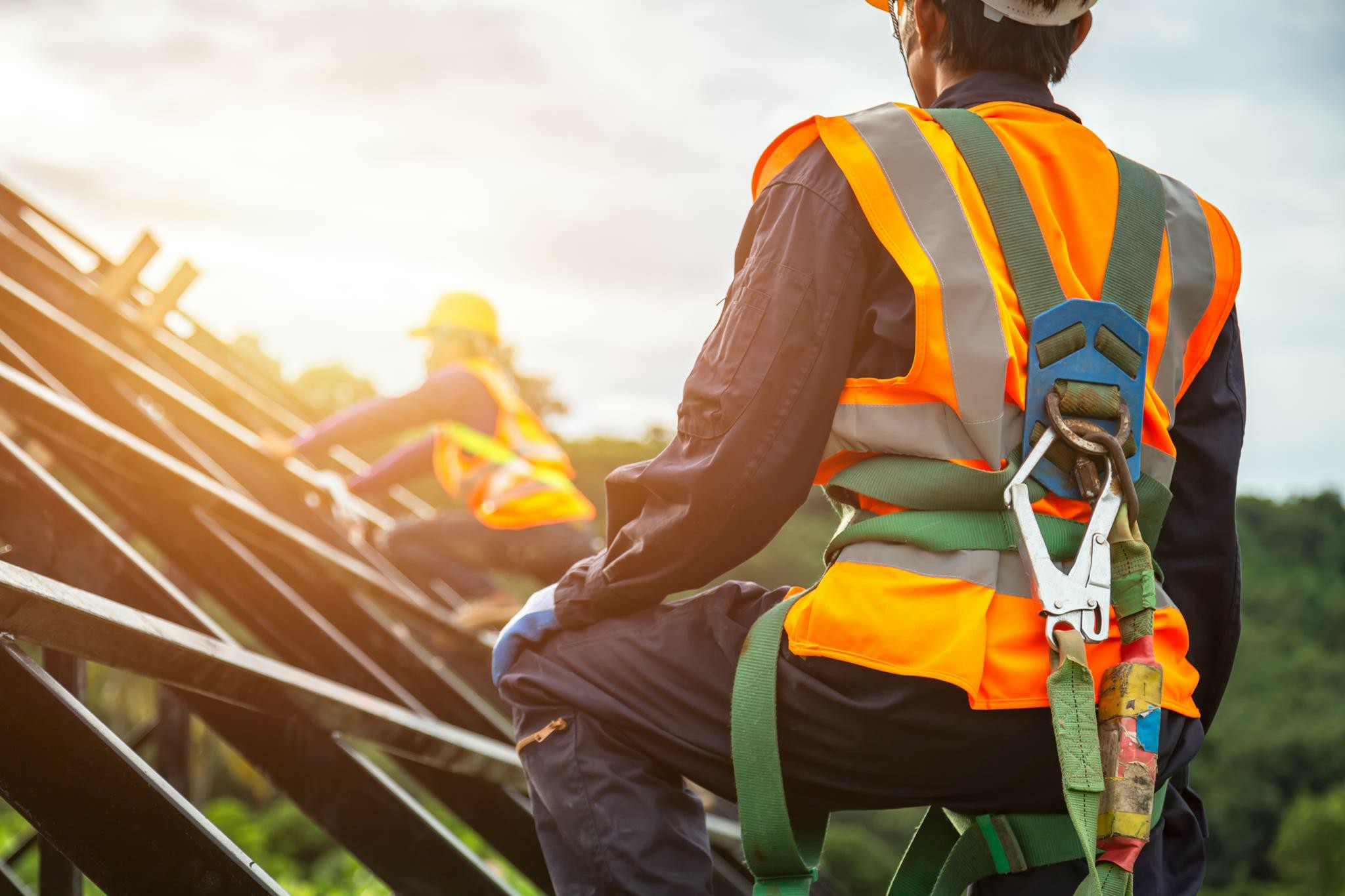
Here’s a breakdown of the essential safety gear that every worker should have when engaging in activities at heights:
1. Safety Harness
A safety harness is a crucial piece of equipment that secures a worker to an anchor point. They come in various types, including:
- Full-Body Harness: Distributes fall forces over the body.
- Chest Harness: Designed for specialized applications but less common.
- Positioning Harness: Allows hands-free work while being secured.
Usage: Make sure to adjust harnesses to fit snugly but comfortably, ensuring it is not twisted and all buckles are secure.
2. Lanyards and Lifelines
Lanyards connect the harness to anchor points. They can include shock-absorbing features to reduce impact forces during a fall.
Usage: Always use lanyards that are appropriate for the environment and situation, ensuring they are properly attached and inspected before use.
3. Anchor Points
Anchor points provide secure attachment points for safety gear. They must be tested and rated to bear the load.
Usage: Check the anchor point's integrity, making sure it meets safety standards. Proper placement significantly reduces fall risks.
4. Hard Hats and Helmets
Helmets protect against falling objects and can also provide additional protection from electrical hazards.
Usage: Ensure the hard hat fits well and is worn correctly. Regularly inspect for cracks or damage.
5. Safety Gloves
Protective gloves prevent injuries to the hands from sharp objects, chemicals, and other potential hazards.
Usage: Select the right type of gloves based on the job's specifics, and inspect them regularly for wear and tear.
6. Fall Arrest Systems
A comprehensive fall arrest system includes various components, such as harnesses, lanyards, and anchor points, designed to work together to prevent falls.
Usage: Train on using the entire system correctly. Regular checks are essential for ensuring system effectiveness.
Industry Regulations and Compliance
Employers and workers must adhere to safety regulations governing working at heights. In Ireland, various standards and legislation outline the requirements for safety gear, including:
- Health and Safety at Work Act
- Construction Regulations
- Guidance from the Health and Safety Authority (HSA)
Ensuring compliance not only helps in preventing accidents but also protects businesses from legal repercussions.
Maintenance and Inspection of Safety Gear
Regular maintenance and inspection of safety gear are critical for ensuring performance and longevity. Here are some best practices:
- Perform Routine Inspections: Inspect all gear before and after usage.
- Clean Regularly: Remove dirt and debris that can affect equipment performance.
- Store Properly: Gear should be stored in a cool, dry place away from sunlight.
- Replace When Necessary: Replace equipment that shows signs of wear, damage, or after a fall incident.
Conclusion: Ensure Safety with Certified Training
The importance of using proper safety gear cannot be overstated in reducing the risks associated with Working at Heights. Ensure you’re equipped with certified gear and consider enrolling in a Working at Heights Training course to bolster your knowledge and skills. For localized training inquiries and further assistance, feel free to contact us at [email protected].
Stay safe, stay educated, and make working at heights a secure endeavor!