Essential Safety Gear for Working at Heights: A Comprehensive Guide to Safety Equipment
Working at heights presents unique challenges that require careful safety considerations. The risk of falls is significantly increased, making it essential to have the right safety gear in place. In this guide, we will explore various types of equipment necessary for ensuring safety while working at heights, including how to use them correctly and maintain them for optimal performance.
Importance of Working at Heights Safety Gear
The significance of safety gear when working at heights cannot be overstated. Falls are one of the leading causes of workplace injuries and fatalities. Utilizing proper safety equipment is not only a legal requirement but also a crucial measure to protect the health and well-being of workers. Adhering to safety regulations ensures compliance and fosters a culture of safety within organizations.
Key Safety Gear for Working at Heights
Here we’ll outline the essential gear needed for working safely at heights:
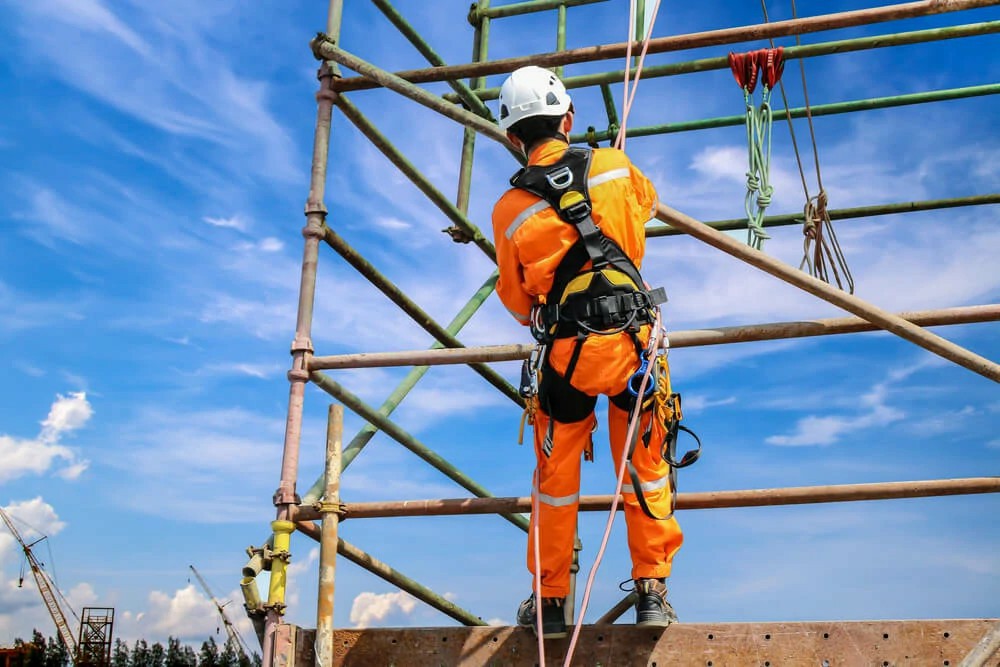
- Safety Harness: A safety harness is a critical component of fall protection systems. It secures the worker to an anchor point and distributes the force of a fall across the body. Ensure the harness fits snugly but not too tight, allowing for free movement without compromising safety.
- Lanyards and Lifelines: Lanyards connect the harness to an anchor point, while lifelines provide additional support. Make sure the lanyard is appropriately rated for the task and check it regularly for wear and tear.
- Anchor Points: Anchor points should be secure and capable of supporting the weight of the user in case of a fall. Position them above the work area to minimize fall distances.
- Hard Hats: Protective helmets safeguard against head injuries from falling objects. Choose hard hats that meet industry standards and ensure a proper fit.
- Gloves: Non-slip gloves provide better grip and dexterity while working at heights. Select gloves appropriate for the materials and tasks involved.
- Fall Arrest Systems: These systems are essential for preventing serious injuries during a fall. Familiarize yourself with how to properly operate and test these systems before use.
Proper Usage of Safety Gear
Using safety gear correctly maximizes its effectiveness and minimizes risks. Here are some guidelines:
- Always perform a pre-use inspection of all equipment to check for any signs of damage or wear.
- Ensure that all gear is compatible with each other; mismatched equipment can lead to failure.
- Follow the manufacturer's instructions for fitting and adjusting harnesses.
- Use a buddy system where possible to ensure that all users are accountable for each other's safety.
- Regularly train employees on proper safety gear use and emergency procedures.
Maintenance Tips for Safety Gear
Maintaining your safety gear is paramount to ensure longevity and effectiveness. Consider these best practices:
- Clean equipment regularly according to manufacturer instructions. Remove dirt, grease, and other contaminants.
- Inspect gear for any signs of fraying, cuts, or deterioration. Replace any damaged items immediately.
- Store gear in a cool, dry place away from direct sunlight or extreme temperatures.
- Keep a detailed maintenance log for all equipment to track inspections and maintenance activities.
Industry Safety Regulations
Working at heights is governed by strict safety regulations, which vary by region. In Ireland, regulations emphasize the use of suitable personal protective equipment (PPE) when working at heights. Employers must ensure that all employees have access to safety gear and receive proper working at heights training to minimize risk. Enrolling in a Working at Heights Course can provide crucial knowledge on safety protocols and gear usage.
Conclusion
Proper safety gear is critical for anyone working at heights. Understanding the different types of gear available, following best practices for use and maintenance, and adhering to safety regulations will significantly reduce the risk of falls and injuries. Employers and workers alike must prioritize safety by investing in certified equipment and participating in Working at Heights Training. For more details, contact us at [email protected].