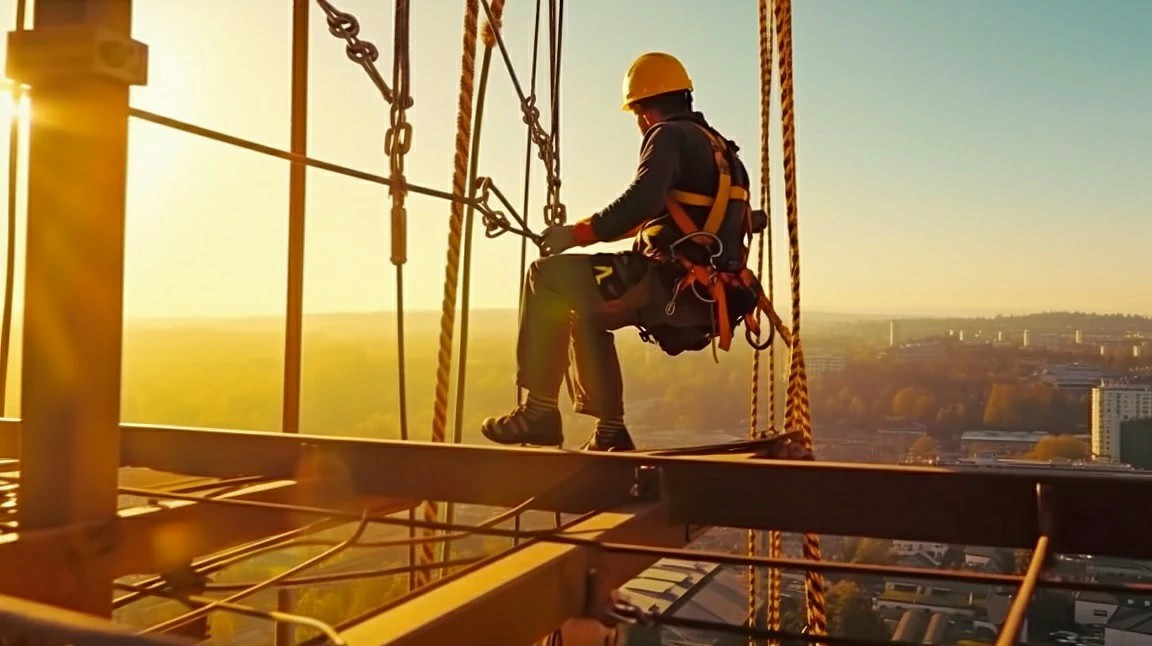
Essential Steps for Conducting Effective Risk Assessments Before Working at Heights
Working at heights poses significant risks, making it crucial for organizations to conduct thorough risk assessments to safeguard their employees. Understanding and mitigating these risks not only prevents accidents but also ensures compliance with safety regulations. In this blog post, we will delve into the best practices for risk assessments, explore common risk factors, and discuss how training prepares workers to identify hazards effectively.
Why Are Risk Assessments Critical?
Risk assessments play a vital role in preventing accidents and ensuring a safe work environment. Conducting a risk assessment helps employers:
- Identify hazards: Recognize potential danger spots when working at height.
- Evaluate risks: Analyze the likelihood and severity of injuries.
- Implement control measures: Develop strategies to mitigate identified risks.
- Ensure compliance: Adhere to workplace safety regulations and standards.
Step-by-Step Guide to Conducting a Risk Assessment
The following steps outline a structured approach to conducting risk assessments before working at heights:
Step 1: Prepare and Gather Information
Begin by collecting all relevant information about the work to be performed at height. This includes:
- Details of the job requirements
- History of previous incidents or near misses
- Input from experienced workers on potential risks
Step 2: Identify Hazards
Look for common hazards associated with working at heights, such as:
- Unprotected edges and surfaces
- Unsafe ladders or scaffolding conditions
- Environmental factors like weather (wind, rain)
- Proximity to electrical hazards
Step 3: Evaluate Risks
Determine the risk associated with each identified hazard by considering:
- The likelihood of an accident occurring
- The potential severity of injuries
Use a risk matrix to categorize these into low, medium, or high risks.
Step 4: Implement Control Measures
After evaluating the risks, implement control measures to manage them effectively. These may include:
- Providing personal protective equipment (PPE)
- Using safety harnesses and guardrails
- Establishing comprehensive safety protocols
Step 5: Communicate and Train
It’s essential to communicate the results of the risk assessment with all workers involved. Ensure that training programs effectively prepare employees to:
- Identify and assess potential hazards
- Follow safety protocols and emergency procedures
Step 6: Review and Monitor
Regularly review your risk assessments and monitor the effectiveness of implemented measures. Make adjustments as needed, especially when there are changes in the work environment or procedures.
Common Risk Factors in Working at Heights
Understanding common risk factors can help tailor specific assessments. These include:
- Inadequate fall protection
- Poor maintenance of equipment
- Inexperienced personnel
- Distractions and fatigue among workers
Real-World Case Studies: Success Stories of Risk Assessments
Many organizations have successfully reduced accidents by implementing thorough risk assessments before working at heights. For example:
- Construction Firm X: After conducting a comprehensive risk assessment, the firm eliminated 30% of fall-related incidents within a year by improving safety harness protocols.
- Maintenance Company Y: By regularly reviewing their risk assessments, they effectively identified a recurring issue with ladder safety that led to the implementation of new ladder policies, cutting incidents to zero.
How Training Prepares Workers for Assessing Hazards
Proper training is paramount. Certified Working at Heights Training equips workers with skills and knowledge to evaluate risks effectively:
- Understanding of regulations and safety standards
- Practical training on equipment usage
- Simulator training for emergency situations
Completing a Working at Heights Course ensures participants are prepared to contribute to a safer work environment.
Conclusion
Conducting thorough risk assessments before working at heights is not just a regulatory requirement but a commitment to ensuring employee safety. By following a structured approach, organizations can uncover risks, implement protective measures, and foster a culture of safety. Encourage your team to engage in ongoing training, such as the Working at Heights Safety Course, to keep safety at the forefront.
If you are looking to conduct risk assessments in your workplace or need assistance with Working at Heights Certification Dublin, Working at Heights Certification Ireland, or wish to enroll in a Working at Heights Course Online, please contact us at [email protected].