


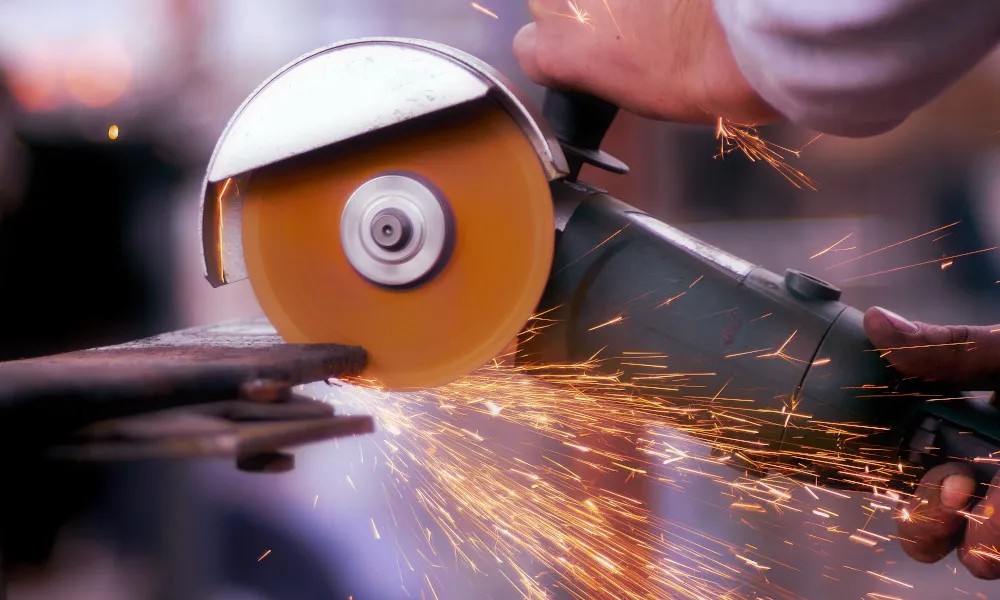
Exploring the Safety Trends with Abrasive Wheels: How Training Transforms Workplace Safety
Abrasive wheels are vital tools in various industries, used for cutting, grinding, and polishing surfaces. However, their misuse poses significant safety risks that can lead to severe injuries or even fatalities. Understanding these risks and implementing effective training programs is crucial for maintaining a safe workplace. This blog post will explore common hazards associated with abrasive wheels and highlight how proper training can mitigate these risks, ensuring a safer working environment.
Understanding Abrasive Wheels: The Basics
Abrasive wheels are revolving tools that consist of abrasive particles bonded together to form a solid shape. When used correctly, these wheels can perform various tasks efficiently. However, without proper knowledge and handling, they can become hazardous. The primary risks include:
- Wheel Breakage: A common risk occurs when abrasive wheels are improperly mounted or when they exceed their designed speed. A broken wheel can send shrapnel flying at high velocities.
- Incorrect Mounting: Improper installation can lead to severe vibrations and immediate failure during operation, increasing the likelihood of accidents.
- Lack of Protective Gear: Workers may neglect proper personal protective equipment (PPE), exposing themselves to injuries from sparks, dust, or debris.
- Unsafe Practices: Misuse of the abrasive wheel, such as improper handling during operations or using the wrong wheel for the task, contributes to accidents.
Real-Life Case Studies: Accidents Prevented by Training
Numerous incidents illustrate the significance of adequate training. For instance, a manufacturing company in Dublin implemented an Abrasive Wheels Safety Course that educated workers on correct usage and the importance of PPE. As a result, a potential accident involving a high-speed wheel breaking was avoided through early identification of a mounting error during pre-operation checks.
Similarly, a construction site in Galway witnessed a severe injury when a laborer was struck by a dislodged wheel. After a thorough investigation and subsequent training program was introduced, the site implemented weekly safety meetings focusing on proper wheel handling and safety practices, leading to a 50% reduction in incidents within six months.
Common Workplace Hazards and Risk Mitigation Strategies
- Conduct Regular Inspections: Ensure that abrasive wheels are inspected prior to use. Look for cracks, wear, or deformities.
- Adequate Wheel Selection: Use the appropriate type of wheel for each job, as specified by the manufacturer.
- Ensure Proper Mounting: Follow manufacturer instructions for mounting and securing wheels correctly to avoid vibrations and failure.
- Personal Protective Equipment: Mandate the use of safety glasses, hearing protection, and gloves to minimize injury risks.
- Establish Emergency Procedures: Develop responsive procedures for when accidents occur to minimize injuries.
The Role of Training in Safety Culture
Training programs, like Certified Abrasive Wheels Training, are essential for fostering a strong safety culture in the workplace. These programs teach employees to:
- Identify and assess risks associated with abrasive wheels.
- Apply best safety practices and use appropriate protective gear.
- Correctly mount and inspect abrasive wheels to avoid accidents.
Furthermore, online options exist for flexible learning, such as the Abrasive Wheels Online Course that provides comprehensive training that can be accessed from anywhere.
Conclusion: Prioritize Safety through Training
Investing in abrasive wheels training is not just a regulatory requirement; it is a vital step towards safeguarding the health and wellbeing of employees. Employers should prioritize enrolling their teams in rigorous training programs, like the Abrasive Wheels Course, to ensure compliance and a safer working future.
For more information or to enroll in a course, please contact us at [email protected].



































