Exploring the Varied Types of Abrasive Wheels: Their Applications and Safety Risks
Abrasive wheels are indispensable tools in various industries, from construction to manufacturing. Understanding the different types of abrasive wheels, their applications, and the associated risks can significantly enhance workplace safety and efficiency.
Types of Abrasive Wheels
Abrasive wheels can be categorized based on their functions, compositions, and applications. Here are the most common types:
- Grinding Wheels: Used primarily for grinding metal, these wheels are available in various sizes, shapes, and materials, including aluminum oxide and silicon carbide. Suitable for applications such as sharpening tools and removing surface imperfections.
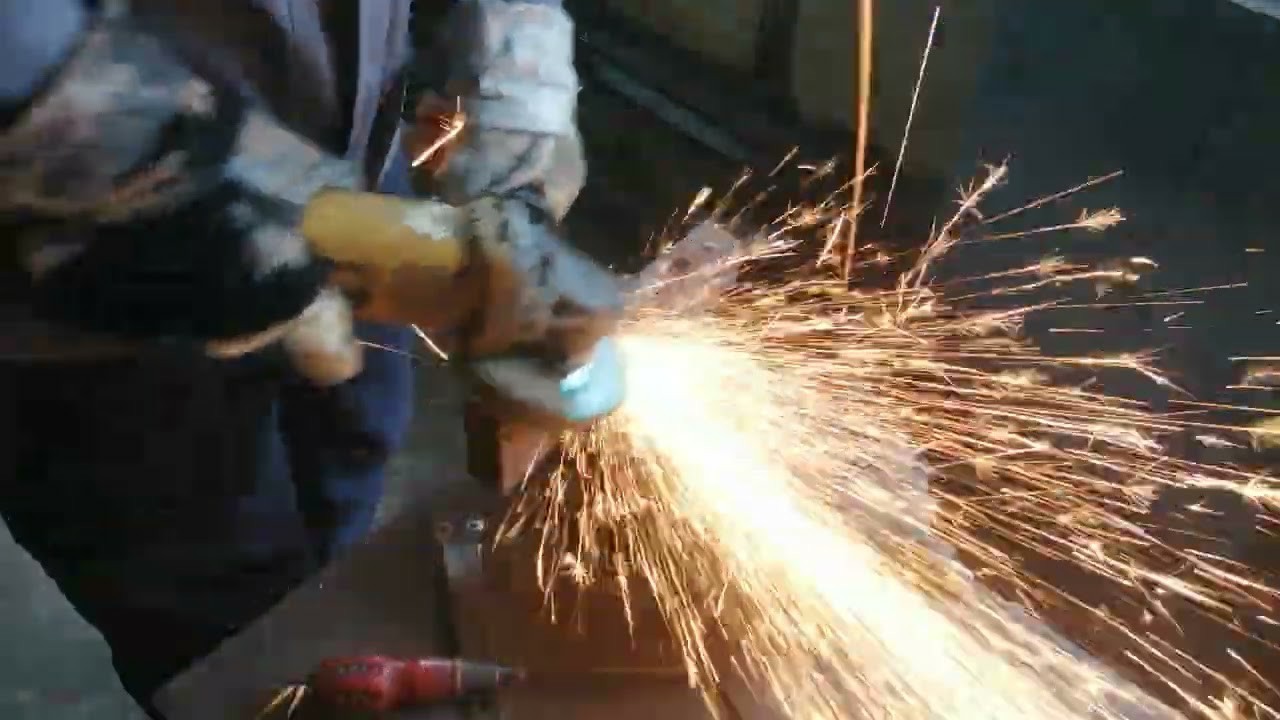
- Cutting Wheels: Designed for cutting through materials like metal, stone, and ceramic, cutting wheels are typically thinner and are used in angle grinders. Their applications include pipe cutting, metal fabrication, and masonry work.
- Polishing Wheels: These wheels are softer and commonly made of felt or cotton. They are used for polishing and finishing surfaces, providing a smooth, shiny finish on metals and plastics.
- Flap Discs: Comprised of multiple overlapping pieces of abrasive material, flap discs are used for both grinding and polishing. They are particularly effective for contouring and blending surfaces.
Abrasive Wheels Applications
Abrasive wheels are widely used across various sectors:
- Manufacturing: Essential for cutting, grinding, and finishing metal parts.
- Automotive: Used in bodywork repair, tool sharpening, and engine component manufacturing.
- Construction: Crucial for masonry work, metal cutting, and surface preparation.
- Artisan Crafts: Applied in jewelry making, woodworking, and other fine craftsmanship.
Risks Associated with Abrasive Wheels
While abrasive wheels are beneficial, they can pose safety risks if not handled correctly:
- Wheel Breakage: Improper mounting or using the wrong type of wheel can lead to breakage, posing serious risks of injury.
- Overheating: Continuous use can cause overheating, leading to wheel failure and unexpected accidents.
- Inadequate Personal Protective Equipment (PPE): Not wearing proper PPE can lead to serious injuries from flying debris or sparks.
- Noisy Environment: Extended exposure to high-decibel noises can result in hearing impairment.
The Importance of Proper Training
Proper training is vital in preventing accidents and ensuring compliance with safety regulations, particularly in cities like Dublin, Cork, Galway, Limerick, and Waterford. Here's why training is essential:
- Understanding Equipment: Trained individuals learn to select the appropriate wheel for specific tasks, understanding how to mount and use them safely.
- Safety Protocols: Certification courses emphasize adherence to safety protocols, helping prevent mishaps and ensuring a safer work environment.
- Risk Awareness: Workers who undergo accredited training are more aware of potential risks and hazards associated with abrasive wheel usage.
- Compliance with Regulations: Enrolling in abrasive wheels training courses ensures compliance with Irish safety regulations, safeguarding businesses and workers.
Get Certified Today
If you’re operating in industries where abrasive wheels are utilized, consider enrolling your team in a certified Abrasive Wheels training course. Courses are available in Dublin, Cork, Galway, and Limerick to help enhance workplace safety practices.
Contact Us
For more information on certified abrasive wheels training or to discuss your training needs, feel free to reach out at [email protected].