


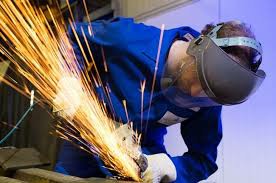
Exploring the Varieties of Abrasive Wheels: Essential Insights for Safe Use
Abrasive wheels are crucial in various industries, including construction, automotive, and manufacturing. Understanding the different types of abrasive wheels, their applications, and associated risks is vital for maintaining safety and compliance with regulations in Ireland. Whether you are in Dublin, Cork, Galway, Limerick, or Waterford, mastering the use of these tools can significantly enhance workplace safety.
Types of Abrasive Wheels
Abrasive wheels can be classified into several categories based on their design, purpose, and the materials they are meant to be used on. Here’s a closer look at the main types:
1. Grinding Wheels
- Applications: Primarily used for grinding metals and other hard materials, these wheels are suitable for shaping, sharpening, and polishing tools.
- Risks: The main hazards include wheel breakage, excessive heat leading to thermal stress, and dust inhalation.
2. Cutting Wheels
- Applications: Ideal for cutting through metals and concrete, these wheels are commonly used in fabrication and construction.
- Risks: Risks involved include potential for sparks igniting flammable materials, kickbacks, and wheel fragmentation.
3. Polishing Wheels
- Applications: Utilized for finishing materials to a smooth surface, polishing wheels enhance the aesthetic appeal of various products.
- Risks: Overheating and incorrect usage can cause damage to surfaces, and improper securing of the wheel presents safety concerns.
Industry Applications of Abrasive Wheels
These wheels find use across a multitude of sectors:
- Construction: Cutting and grinding masonry, metal structures, and rebar.
- Automotive: Sharpening and polishing tools, as well as cutting and grinding parts.
- Manufacturing: Used in assembly lines for machining processes and finishing operations.
Safety Risks Associated with Abrasive Wheels
Understanding the risks associated with abrasive wheels is critical. Here’s a summary of prevalent hazards:
- Wheel Breakage: Can lead to flying debris, posing a significant risk to operators.
- Heat Generation: Excessive heat can cause wheels to wear out quickly or even shatter.
- Dust Generation: Inhalation of fine dust can lead to respiratory issues.
The Importance of Proper Training
To minimize risks and enhance safety, proper training is essential. Here’s how:
- Abrasive Wheels Training: Employees should undergo certification programs, such as Abrasive Wheels Training Dublin, to understand the safe handling and operation of these tools.
- Regular Training Updates: Skills and knowledge must be refreshed regularly to keep up with safety guidelines and industry changes.
Achieving Compliance with Irish Safety Regulations
In Ireland, compliance with safety regulations surrounding abrasive wheels is mandatory. Training courses, such as the Abrasive Wheels Course Dublin and others across Cork, Galway, and Limerick, are crucial to attaining compliance while also safeguarding workers.
Conclusion
Understanding the types of abrasive wheels, their applications, and the associated risks is invaluable for maintaining workplace safety. Certified training in abrasive wheels, available in cities like Cork and Limerick, ensures that workers are well-prepared to handle these tools safely. Prevent accidents by investing in proper training today!
For more information on getting certified, contact us at [email protected] or visit our training page.



































