HACCP Certification: Essential for Food Safety Compliance Across Ireland
In the fast-paced world of food service, ensuring the safety of what we serve is non-negotiable. For businesses in Dublin, Cork, Galway, Limerick, Waterford, and Belfast, HACCP (Hazard Analysis and Critical Control Points) training is a vital component of effective food safety management. This blog post delves into why HACCP certification is essential for compliance with Irish and EU food safety regulations, its impact on public health, and how structured training courses can enhance your food handling practices.
What is HACCP?
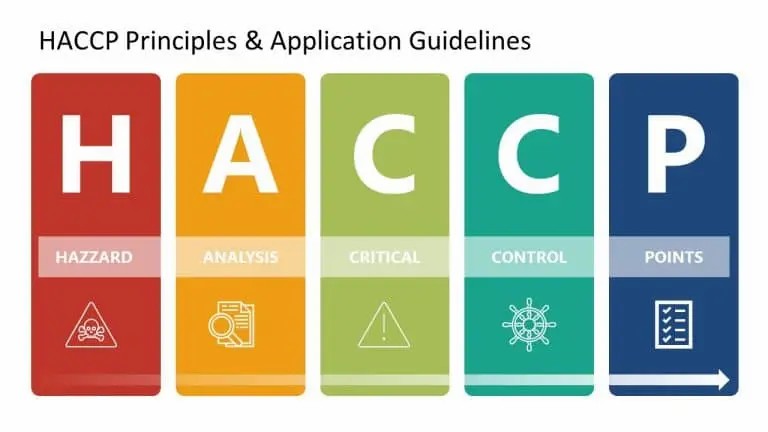
HACCP stands for Hazard Analysis and Critical Control Points. It is a systematic approach to food safety that identifies potential hazards in food production processes and implements controls to minimize risks. The principles of HACCP are built on preventive measures rather than end-product testing, offering a more proactive stance on food safety.
The Importance of HACCP Training in Ireland
HACCP training provides food businesses with the knowledge and skills necessary to comply with food safety regulations. Here’s how:
- Compliance with Food Safety Laws: HACCP training ensures your business adheres to the regulations set forth by the Food Safety Authority of Ireland (FSAI), as well as EU food safety laws.
- Risk Assessment Strategies: Training equips staff with the ability to identify, assess, and control hazards that could compromise food safety.
- Enhanced Public Health Protection: By committing to HACCP principles, businesses can significantly reduce the risks of foodborne illnesses that endanger public health.
HACCP Principles Explained
The HACCP system is founded on seven core principles that guide food safety management:
- Conduct a Hazard Analysis: Identify potential hazards in the food preparation process.
- Determine Critical Control Points (CCPs): Establish points in the process where hazards can be controlled or eliminated.
- Establish Critical Limits: Specify limits to ensure that each CCP is under control.
- Establish Monitoring Procedures: Implement procedures to monitor CCPs effectively.
- Establish Corrective Actions: Define what actions to take when monitoring indicates a deviation from an established limit.
- Establish Verification Procedures: Verify that the HACCP system is working effectively.
- Establish Record-Keeping Procedures: Maintain records to document the HACCP process and any corrective actions taken.
The Benefits of HACCP Certification
Obtaining HACCP certification through structured training courses brings numerous advantages:
- Enhanced Food Handling Standards: A structured HACCP training program elevates staff competencies, leading to superior food handling practices.
- Reduced Contamination Risks: By implementing rigorous HACCP protocols, businesses can minimize the risk of foodborne illnesses, fostering consumer trust.
- Improved Operational Efficiency: A clear understanding of HACCP principles helps streamline operations, saving time and resources.
- Increased Customer Confidence: HACCP certification assures customers that your business prioritizes food safety, enhancing your brand's reputation.
Online HACCP Training: Convenience and Flexibility
With the rise of online learning, many businesses now prefer online HACCP training courses. These courses offer flexibility and accessibility, allowing staff to complete training at their own pace without disrupting daily operations. Consider these benefits of online HACCP training:
- Cost-Effective: Save on travel and accommodation costs associated with in-person training.
- Accessible Anytime, Anywhere: Employees can learn from any location, making it easier to fit training into their schedules.
- Up-to-Date Content: Online courses can be quickly updated to reflect new regulations and best practices.
Getting Started with HACCP Training
Ready to enhance your food safety management? Begin with these steps:
- Assess your current food safety practices and identify areas for improvement.
- Choose an accredited HACCP training course tailored to your industry.
- Implement the principles learned to strengthen your food safety protocols.
- Regularly review and update your HACCP plan as necessary.
Conclusion: Invest in HACCP for a Safer Food Environment
HACCP certification is more than a legal requirement; it’s a commitment to delivering safe food to your customers. By investing in HACCP training, you are not only ensuring compliance with Irish food safety laws but also safeguarding public health and enhancing your business's reputation. Don’t wait—enroll in a HACCP training course today and take the crucial steps towards a safer food environment!
Interested in enrolling in our HACCP training courses? Visit here for more details or contact us at [email protected] for inquiries.