HACCP Training: Essential for Food Safety Compliance in Dublin, Cork, Galway, and Beyond
In a country renowned for its culinary traditions and the quality of its food products, adhering to safety standards is non-negotiable for businesses in the food industry. Whether you're a restaurant owner in Dublin, a food manufacturer in Cork, or a caterer in Galway, ensuring food safety compliance is critical. This comprehensive guide explores why HACCP training is vital for food safety compliance in Ireland, outlining its principles, benefits, and the legal framework behind it.
Understanding HACCP: The Backbone of Food Safety
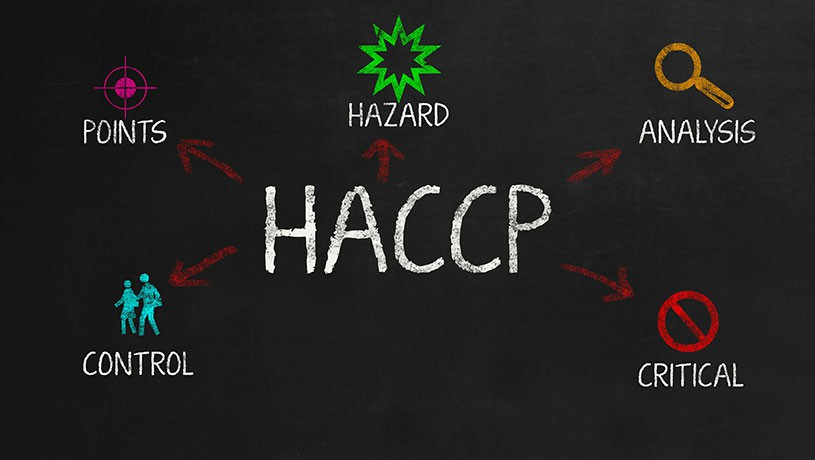
HACCP stands for Hazard Analysis and Critical Control Points. It is a systematic approach to food safety that focuses on identifying and controlling potential hazards throughout the food production process. This method not only aligns with Irish food safety laws but also enhances the overall quality and safety of food products. By implementing HACCP guidelines, food businesses can effectively reduce risks associated with foodborne illnesses.
Key Principles of HACCP
- Conduct a Hazard Analysis: Identify potential hazards associated with food production.
- Determine Critical Control Points: Establish points in the process where hazards can be controlled.
- Set Critical Limits: Define acceptable limits for each critical control point.
- Establish Monitoring Procedures: Implement ways to monitor critical control points.
- Corrective Actions: Define steps to address any deviations from critical limits.
- Verification Procedures: Ensure that the HACCP plan is effectively being implemented.
- Record Keeping: Maintain detailed documentation for accountability.
Why HACCP Training is Essential for Food Businesses in Ireland
In Ireland, food safety is governed by strict legislation, including the Food Safety Authority of Ireland (FSAI) regulations. Compliance with these laws is paramount to avoid legal consequences and financial losses. Here’s why HACCP training is essential:
1. Legal Compliance
In Ireland, HACCP is not just a recommendation; it is a legal requirement for all food businesses. Effective training ensures that staff are well-versed in food safety laws in Ireland, minimizing compliance risks. Restaurants, food manufacturers, and catering businesses that implement HACCP systems can prove adherence to these regulations more effectively.
2. Prevention of Food Contamination
Food contamination can have severe consequences, including foodborne illnesses that can impact public health significantly. Proper HACCP training equips employees with the knowledge and skills required to handle food safely and identify potential hazards before they become risks.
3. Enhanced Business Reputation
Businesses in cities like Dublin, Cork, Galway, Limerick, Waterford, and Belfast flourish when customers trust their food safety practices. Achieving HACCP certification signals to customers that a business prioritizes their health and safety, thereby enhancing its reputation and customer loyalty.
4. Protection of Public Health
HACCP protocols play a crucial role in protecting public health. Well-trained staff can significantly reduce the risk of foodborne illnesses, ensuring a safer food supply. This is particularly crucial for high-risk establishments like restaurants and catering businesses.
How to Achieve HACCP Certification
Achieving HACCP certification is a structured process and typically involves the following steps:
- Enroll in a HACCP Training Course: Participating in a reputable HACCP training course is the first step to understanding the necessary principles.
- Develop a HACCP Plan: Create a plan tailored to your business that aligns with HACCP principles.
- Implement Training: Ensure all staff are trained and understand their roles in maintaining food safety.
- Conduct a Self-Assessment: Regularly evaluate your processes and compliance with HACCP standards.
- Certification Audit: Prepare for an external audit by a recognized certification body to validate your HACCP plan.
- Maintain Compliance: Continue to monitor and update your HACCP practices to ensure ongoing compliance.
Choosing the Right HACCP Training Course
With various options available for HACCP training online or in-person, it's essential to select a course that meets your specific business needs. Factors to consider include:
- Trainer Credentials: Look for trainers with expertise in food safety regulations.
- Course Content: Ensure the course covers the necessary HACCP principles and practical applications.
- Delivery Method: Consider whether online or in-person training works best for your scheduling and operational needs.
- Certification: Verify that the course offers legitimate certification recognized in Ireland.
Common HACCP Mistakes and How to Avoid Them
Understanding common pitfalls can enhance your HACCP compliance efforts:
- Lack of Training: Ensure all employees are trained properly to avoid gaps in food safety practices.
- Poor Documentation: Maintain accurate records of all HACCP-related activities to ensure accountability and transparency.
- Neglecting Continuous Improvement: Update your HACCP plan regularly based on new risks or changes in operations.
The Future of HACCP Training in Ireland
The food industry is continually evolving, and staying updated with emerging trends and regulations is essential. Embrace new technologies in food safety, such as software solutions for documenting HACCP compliance, to streamline your processes and enhance safety measures.
Conclusion & Call to Action
In conclusion, HACCP training is not merely a regulatory requirement but a vital aspect of ensuring food safety and protecting public health. Businesses in Dublin, Cork, Galway, Limerick, Waterford, and Belfast must prioritize HACCP compliance to thrive in the competitive food industry.
Are you ready to enhance your food safety standards? Enroll in our HACCP training courses today and ensure compliance with Irish food safety laws. For inquiries and registrations, contact us at [email protected].